Delightful Pandan Sugar Dumplings: A Sweet Journey into the Heart of Asian Desserts
You know the feeling when you bite into a soft, chewy treat that transports you back to your childhood? That’s what Pandan Sugar Dumplings do for me. Growing up, my grandmother would whip these up for special occasions, filling our home with the sweet, aromatic scent of pandan leaves and rich palm sugar. I still remember the first time I saw those pastel-green dumplings float to the surface of boiling water, begging to be devoured. They’re not just any rice dumpling; each bite reveals a warm, gooey center of palm sugar that oozes sweetness like a nostalgic hug from the past.
What sets my recipe apart from others is not only the meticulous attention to detail but also the love that I sprinkle into every step. Whether it’s the technique I learned from my grandmother or the unique pandan-infused dough, each element tells a story. You’ll soon see why these dumplings have become a cherished family comfort food.
In this blog post, I promise to guide you through crafting your own batch of Pandan Sugar Dumplings—perfect for sharing with loved ones or enjoying on a quiet night in.
What Are Pandan Sugar Dumplings?
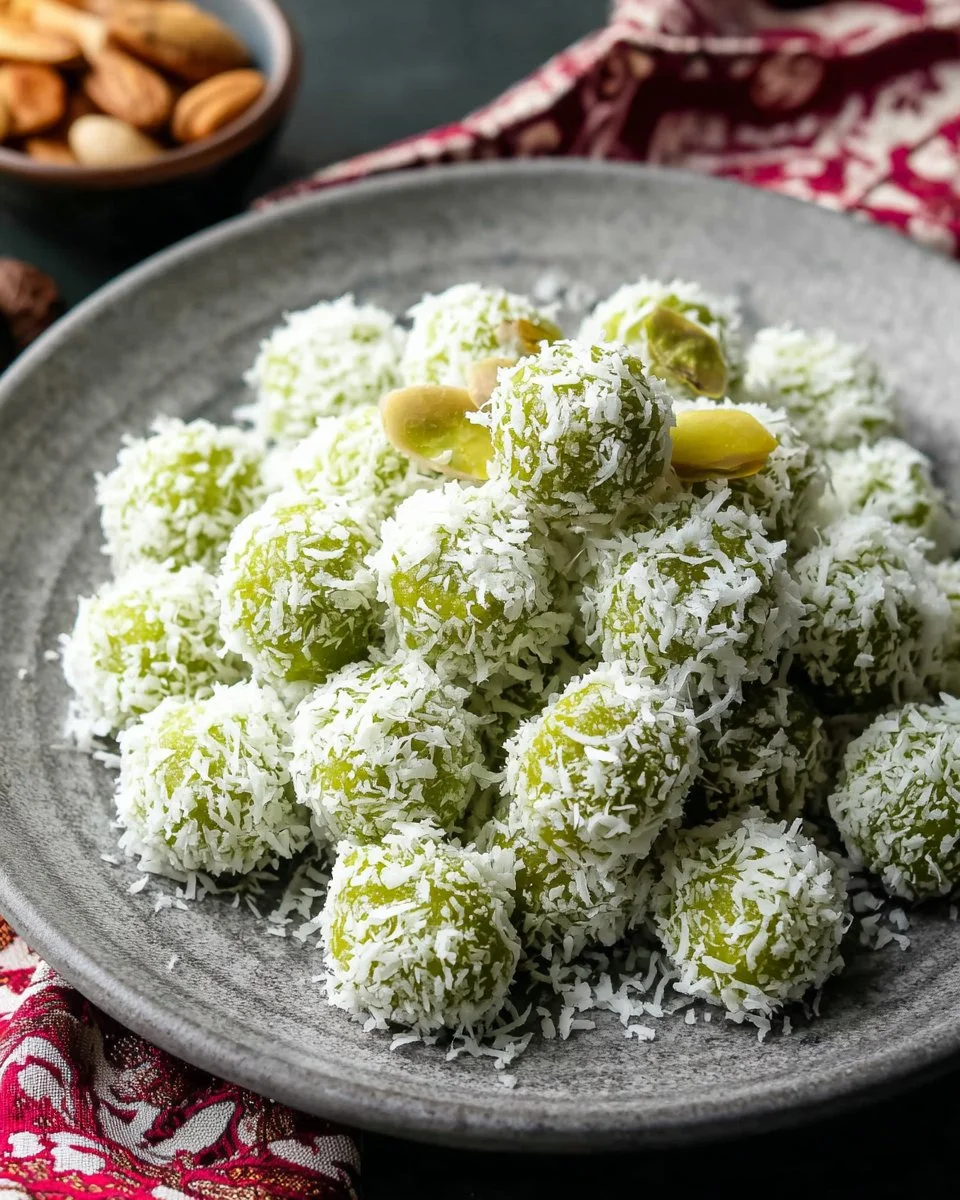
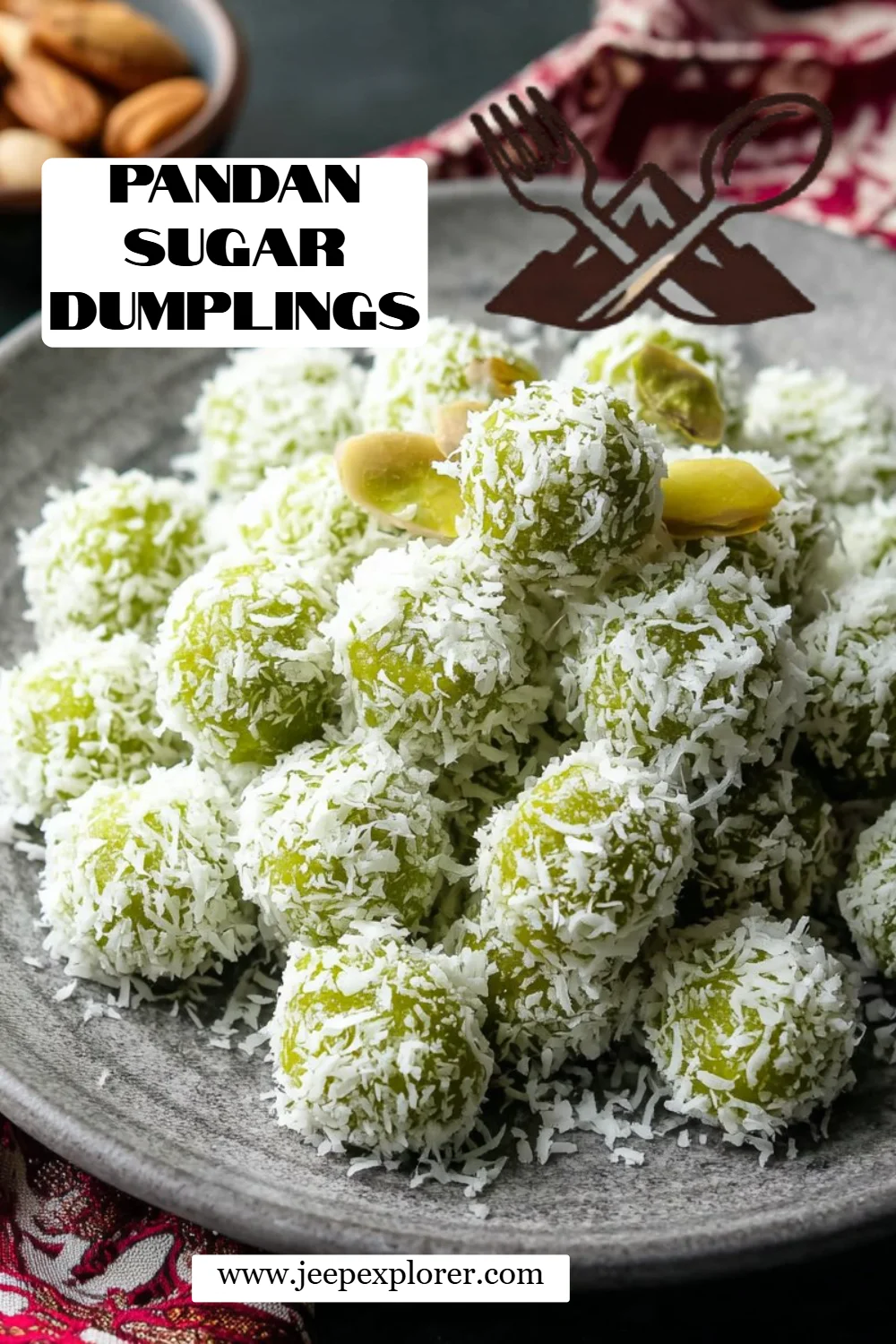
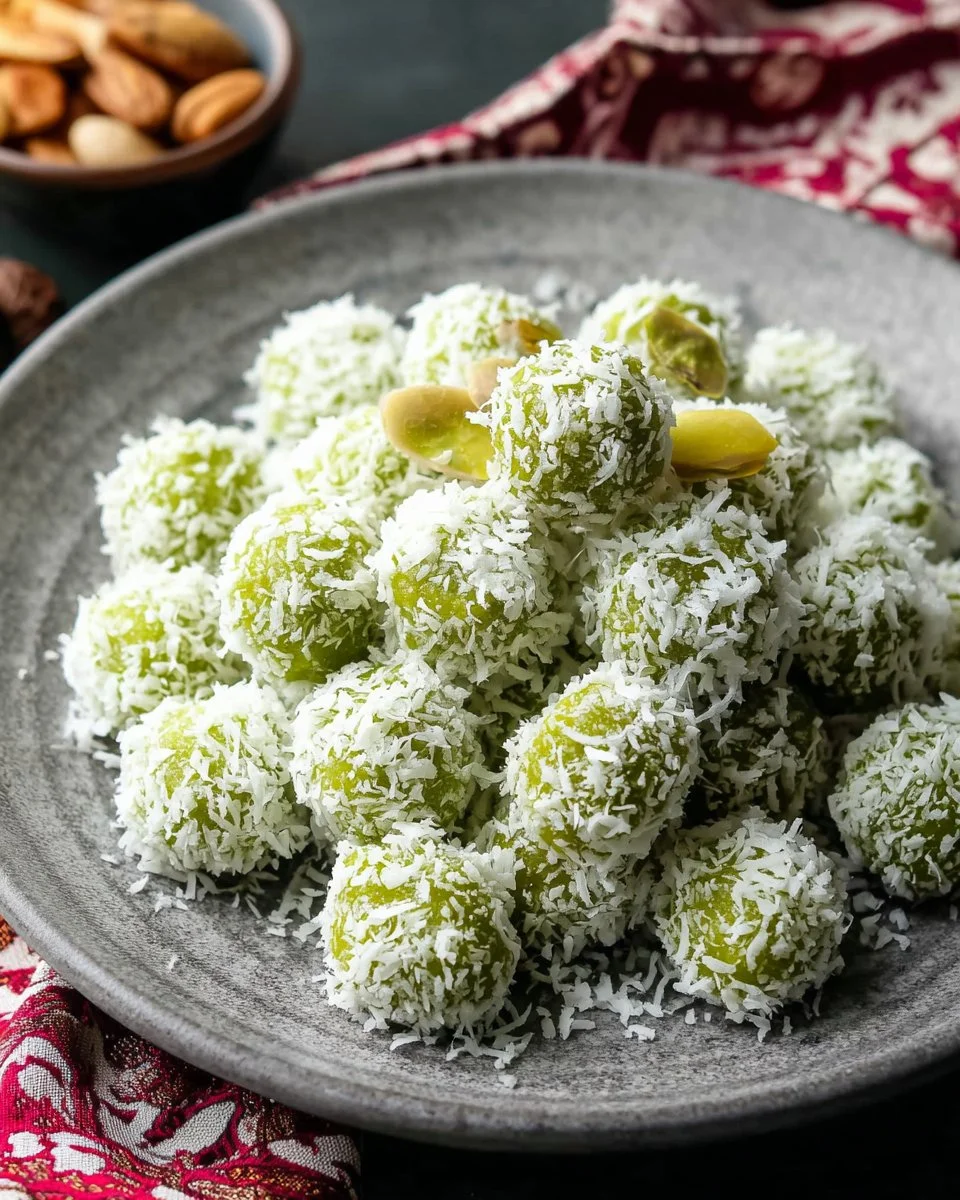
Pandan Sugar Dumplings (also known as “ondeh-ondeh” in some cultures) are traditional treats that hail from Southeast Asia, particularly beloved in Malaysia and Indonesia. They consist of chewy glutinous rice dough encasing a delightful filling made from palm sugar, known for its unique caramel-like flavor. When you take a bite, you’re not just tasting a sweet treat; you’re getting a culmination of textures—the slight chewiness from the dumpling skin combined with the melty, sweet filling.
What’s incredibly special about these dumplings is their vibrant green hue, derived from fresh pandan leaves, adding an aromatic, grassy note that perfectly balances the sweetness of the filling. They’re perfect for all occasions—from family gatherings to cozy evenings.
Whether you want to impress guests or simply indulge yourself, these dumplings are an excellent choice for bridging cultures and creating joyful memories around the table.
Why You’ll Love This Recipe
Authentic Taste: Unlike many store-bought versions, homemade Pandan Sugar Dumplings offer an unmatched freshness. The aromatic pandan juice, fresh coconut, and rich palm sugar create flavors that are deeply rooted in tradition.
Cost-Effective: You won’t believe how affordable it is to make your own! For the price of a single store-bought dumpling, you can make an entire batch at home, saving dollars without sacrificing taste.
Customizable: While traditional recipes call for palm sugar, I encourage you to experiment with other fillings such as chocolate or even fruit pastes. The world is your oyster! Plus, you can adjust the sweetness level according to your taste.
Simple, Yet Impressive: This recipe has an intermediate skill level, but don’t let that intimidate you! With some practice, you’ll master the art of dumpling-making and wow your friends and family in no time.
Quick to Prepare: It may seem like a complex recipe, but you can whip these up in about an hour, depending on your dexterity with rolling. A perfect quick-fix treat when you’re hosting!
Incorporating these dumplings into your cooking repertoire will not only satisfy your cravings but also evoke feelings of warmth and joy—and who doesn’t love that?
Ingredients Section
For the Dumplings:
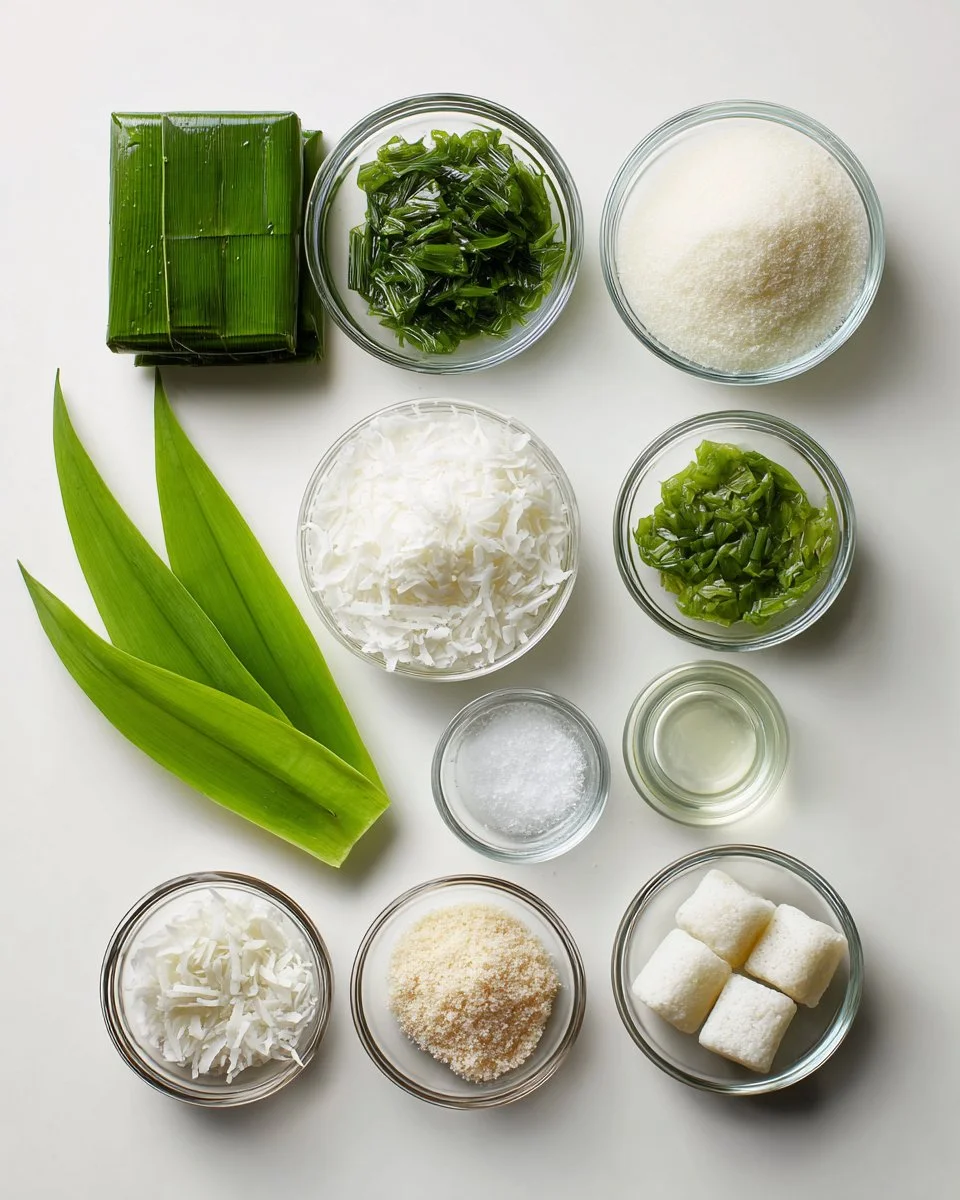
- 1 cup chopped pandan leaves (fresh is best; if unavailable, extract can be used but may lack the same vibrancy)
- 1 cup water
- 1 cup glutinous rice flour (ensure it’s labeled ‘glutinous’ for the right texture)
- 1/4 cup hot water (you’ll use this to help knead the dough smoother)
- 1/4 teaspoon table salt (to enhance flavors)
For the Filling:
- 7 oz palm sugar pucks (available at Asian grocery stores; you may substitute with brown sugar if you can’t find them)
For the Coating:
- 3/4 cup unsweetened dried shredded coconut (make sure it’s fresh to get the best flavor)
Quality Notes:
- Pandan Leaves: Fresh leaves add a unique fragrance that can’t be substituted easily.
- Glutinous Rice Flour: Don’t confuse it with regular rice flour—it’s essential for that chewy texture we adore.
Prep Notes:
- Ensure all ingredients, especially butter for future recipes, are at room temperature for optimal mixing.
Step-by-Step Instructions
Prepare Pandan Juice: Start by blending the chopped pandan leaves with 1 cup of water. Once blended, strain the mixture to extract the vibrant green juice—this is our liquid gold!
Make the Dough: In a mixing bowl, gradually mix the glutinous rice flour with pandan juice, kneading the mixture until it forms a smooth, pliable dough. It should not be too sticky; add a touch more flour if needed.
Rest the Dough: Cover the dough and let it rest for about 30 minutes to allow it to hydrate fully.
Prepare the Coconut: Mix the shredded coconut with a pinch of salt and a few tablespoons of water to enhance flavor. Spread it out on a plate; this will be your coating later.
Prepare Palm Sugar: Cut the palm sugar into small cubes—about the size of a marble.
Boil the Water: Fill a pot with water and bring it to a boil. This will be where you cook the dumplings.
Shape the Dumplings: With your rested dough, take a piece and flatten it in your palm. Place a cube of palm sugar in the center, fold the dough over it, and seal it tightly by rolling it into a ball. Make sure there are no cracks!
Cook the Dumplings: Gently drop the dumplings into the boiling water. Cook them until they float to the surface (around 2 minutes). This is a visual cue that they are done!
Coat and Serve: Remove the dumplings from the water, rolling them in the prepared coconut mixture while they’re still warm, ensuring they’re evenly coated.
Indulge!: Serve them warm for the best experience.
Chef’s Tips: Make sure you seal the edges of the dumplings well to avoid leaks. Also, don’t overwork the dough—just enough kneading for smoothness will do!
Common Mistakes to Avoid:
- Overloading the filling; a little goes a long way!
- If the dough feels too sticky, add in tiny amounts of flour rather than making it dry.
Expert Tips & Tricks
Use Fresh Ingredients: For the best flavors, always opt for fresh pandan leaves and high-quality palm sugar.
Experiment with Flavors: Don’t be afraid to add a dash of pandan or even a cocoa powder to your dough for a twist!
Storage: Keep leftover dumplings sealed in an airtight container at room temperature for a day. For longer storage, pop them in the fridge where they can stay fresh for up to three days.
Make Ahead: You can prepare the dough a day in advance, just be sure to keep it wrapped tightly!
Troubleshooting: If your dumplings fall apart while cooking, check for dough consistency and sealing techniques.
Serving Suggestions
Pandan Sugar Dumplings can shine on their own, but pairing them with a hot cup of jasmine tea or coconut milk enhances the experience. For a delightful presentation, serve them in a simple bamboo basket lined with a banana leaf. They’re perfect for special occasions like birthday celebrations, family gatherings, or even a cozy dessert after dinner!
Variations & Substitutions
- Flavored Variations: Consider infusing the dough with matcha for a green tea twist or adding a hint of lavender for a floral touch.
- Dietary Adaptations: For gluten-free diets, be sure to look for gluten-free versions of glutinous rice flour. Coconut sugar can also be a fantastic alternative for palm sugar.
- Seasonal Specialties: Try incorporating pumpkin puree for a fall-inspired dumpling!
Nutrition & Storage Info
- Prep Time: 30 minutes
- Cook Time: 15 minutes
- Total Time: 45 minutes
- Yield: About 12 dumplings
- Calories per Serving: Approximately 130 calories per dumpling, though this may vary based on filling and size.
- Storage Instructions: Best enjoyed fresh, but can be stored at room temperature for a day, or refrigerated for up to three days.
FAQ Section
Can I use different types of sugar?
Yes! Brown sugar or coconut sugar can be used as a substitute, although the flavor might be slightly different.Do I need to use fresh pandan leaves?
While fresh leaves are preferred for their aromatic flavor, pandan extract can be used in a pinch—but be aware that it might not yield the same vibrant color.Can I freeze the dumplings?
Absolutely! Freezing works well. Just make sure they’re not touching each other while freezing, and store them in an airtight bag. They can last in the freezer for about a month.Can I make the dough the day before?
Certainly! Just wrap it tightly in plastic wrap to avoid drying out.What can I do if the dough is too sticky?
Add a little more glutinous rice flour, but be careful not to make the dough dry.What is the best way to reheat leftovers?
Gently steam or microwave the dumplings (with a splash of water) to prevent them from drying out.How do I know when the dumplings are done cooking?
They float to the top of the boiling water, signaling that they are ready!Can I make them smaller or larger?
Sure! Just adjust the filling size accordingly, but be mindful of cooking time.What if my dumplings crack while boiling?
This often happens if the dough is overworked or too dry. Be sure to seal them tightly!How do I obtain a green color naturally for my dumplings?
You can use spirulina powder for a natural green tint if pandan leaves are not available.
Conclusion
Crafting homemade Pandan Sugar Dumplings is not just about cooking; it’s about re-creating cherished moments with loved ones and delighting in flavors that carry history. I hope that as you dive into this recipe, you’ll find joy and creativity in your kitchen. Try them out, share your experiences with me in the comments, and let’s celebrate the art of making these delightful treats together! For more delicious recipes, don’t forget to check out my blog—there’s a whole world of flavors waiting to be explored!
Pandan Sugar Dumplings
Ingredients
Method
- Prepare Pandan Juice: Blend the chopped pandan leaves with 1 cup of water, then strain to extract the vibrant green juice.
- Make the Dough: In a mixing bowl, gradually mix the glutinous rice flour with pandan juice, kneading until a smooth, pliable dough forms.
- Rest the Dough: Cover the dough and let it rest for about 30 minutes.
- Prepare the Coconut: Mix the shredded coconut with a pinch of salt and a few tablespoons of water; spread it out on a plate.
- Prepare Palm Sugar: Cut the palm sugar into small cubes, about the size of a marble.
- Boil the Water: Fill a pot with water and bring it to a boil.
- Shape the Dumplings: Take a piece of dough, flatten it in your palm, place a cube of palm sugar in the center, fold and seal tightly.
- Cook the Dumplings: Drop the dumplings into boiling water and cook until they float to the surface (about 2 minutes).
- Coat and Serve: Remove dumplings from water and roll them in the coconut mixture while warm.
- Indulge!: Serve warm for the best experience.