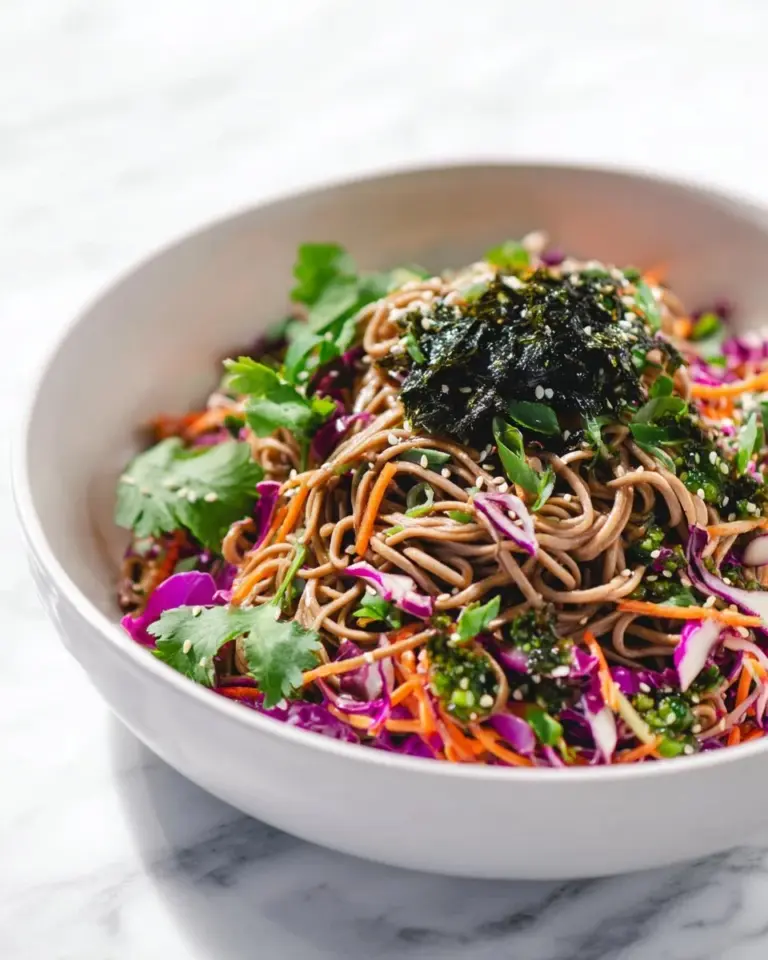
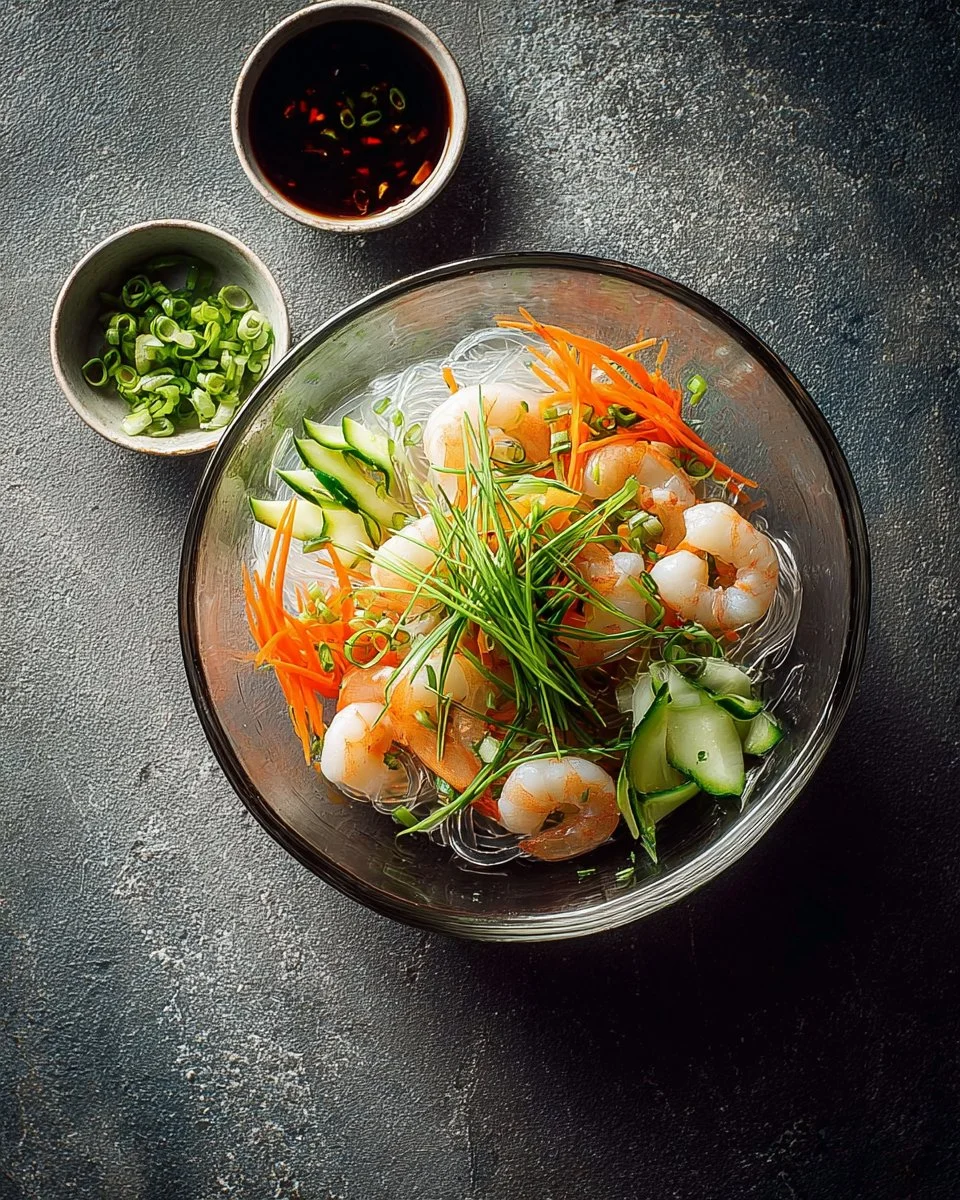
Irresistible Homemade Glass Noodles with Sesame Soy Dressing: A Comforting Delight
Growing up, my family had a tradition of gathering around the dinner table to share stories and laughter over comforting dishes. One of my all-time favorites was the vibrant glass noodle salad made by my grandmother, who had a knack for turning simple ingredients into something magical. Her Homemade Glass Noodles with Sesame Soy Dressing was the star of the show! The combination of silky noodles, rich dressing, and crunchy veggies always left me wanting more.
What makes these noodles so special, you ask? It’s all in the texture and flavor! They’re gluten-free, light yet filling, and the sesame soy dressing adds an umami kick that perfectly balances the freshness of the vegetables. Unlike store-bought versions that can be overly processed and laden with additives, this homemade recipe is not only easy and fun to make but also provides you with control over the ingredients. It’s about reviving family memories, finding comfort in familiar flavors, and crafting something you can truly call yours.
In this post, I’ll walk you through every step of creating these delightful Homemade Glass Noodles with Sesame Soy Dressing, ensuring that you can share this heartwarming dish with your loved ones around the table.
What Are Homemade Glass Noodles with Sesame Soy Dressing?
Glass noodles, also known as mung bean noodles or cellophane noodles, are made from mung bean starch, giving them a translucent appearance and a delightful chew. Originating from East Asian culinary traditions, these noodles offer versatility in various dishes — from stir-fries to salads. The beauty of Homemade Glass Noodles with Sesame Soy Dressing lies not just in their appearance but also in their ability to absorb flavors beautifully, making each bite a burst of taste.
The texture is silky and smooth, while the dressing is both savory and slightly sweet with a hint of nuttiness from toasted sesame oil. Perfect for a light lunch or as a refreshing side dish, this recipe shines with its combination of ingredients that complement the noodles perfectly. Whether you’re looking to impress guests or simply want to whip up a comforting dish for yourself, this recipe is a go-to for all occasions.
Why You’ll Love This Recipe
Healthier Option: Made from simple, wholesome ingredients, including mung bean starch and fresh veggies, these noodles are a guilt-free indulgence. They are gluten-free and low in calories, making them a fantastic option for anyone looking to maintain a balanced diet.
Easy to Make: With just a few steps and ingredients, you can whip up this dish in no time. It’s perfect for busy weeknights or impressing guests on the weekends.
Cost-Effective: Making glass noodles at home is far more economical than buying them pre-made at the store. Plus, you can tailor the recipe based on what’s in your pantry, saving both money and time!
Versatility & Customization: Want to spice things up? Add your favorite protein, switch up the veggies, or toss in herbs to craft your unique version! The possibilities are endless, allowing you to create a dish that suits your taste preferences.
Satisfying & Delicious: The delightful combination of textures from the chewy noodles and crunchy vegetables, paired with the rich, savory dressing makes this dish a delicious meal that’ll leave you satisfied.
Ingredients Section
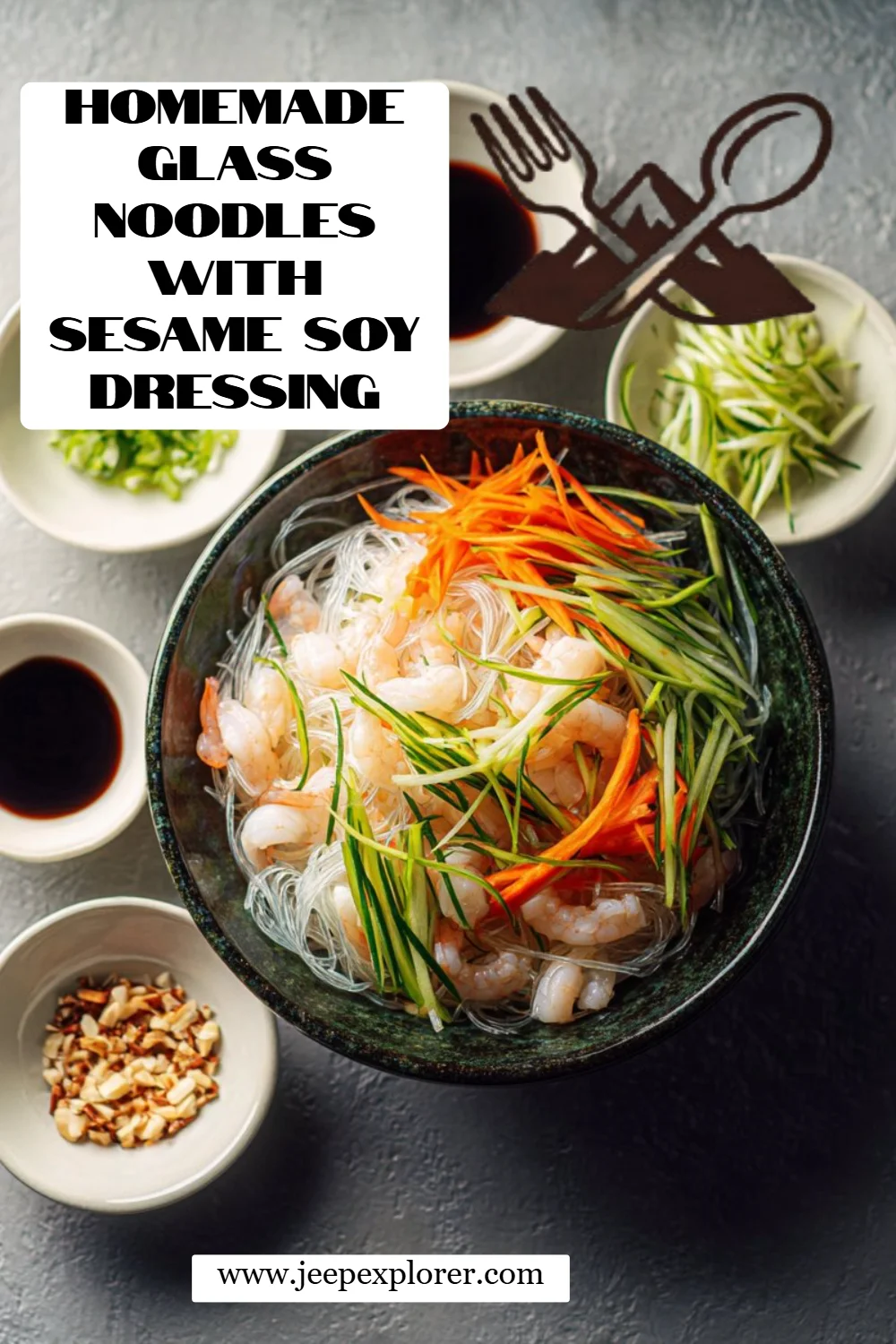
To make your Homemade Glass Noodles with Sesame Soy Dressing, you’ll need the following ingredients:
- 2/3 cup mung bean starch: Look for high-quality starch; brands like Three Ladies are reliable.
- 3 cups water: Fresh, filtered water will help enhance the flavors.
- 1 clove garlic, grated: Fresh garlic provides a punch of flavor. Avoid pre-minced for the best taste.
- 2 tablespoons soy sauce: Use low-sodium soy sauce for a healthier option. Kikkoman is a popular choice.
- 2 teaspoons sugar: Regular granulated sugar works well.
- 2 teaspoons rice vinegar: Adds a tangy touch; Mizkan is a great brand.
- 1 teaspoon toasted sesame oil: This oil is key for flavor; Kadoya is a top choice.
- 9 ounces homemade glass noodles: Once you’ve made your own, they’ll shine in the salad.
- 1 green onion, chopped: For garnish and crunch!
- 2 teaspoons chili crisp: For added heat; Zha Cai gives a wonderful kick!
- 2 tablespoons chopped roasted peanuts or toasted sesame seeds: Adds texture and flavor.
- 3-inch section of an English cucumber, julienned: For a fresh crunch.
- 2-inch section of a carrot, julienned: Adds sweetness and color.
Notes on Ingredients:
- Quality Matters: Using fresh, high-quality ingredients makes a noticeable difference.
- Prep Notes: To ensure your noodles are perfectly textured, use room temperature water when mixing with mung bean starch.
Step-by-Step Instructions
Instructions for Making the Noodles:
Prepare Your Mold: Find a rectangular, heat-resistant container such as a glass food storage container or a loaf pan (no larger than 8×8 inches). This is where your noodles will take shape!
Heat the Water: In a pot, bring roughly 2 cups of water to a near simmer. This process usually takes about 5 to 7 minutes on medium heat.
Mix the Starch: In a bowl, combine the remaining 1 cup of water with the mung bean starch, stirring vigorously until no lumps remain. This step is crucial for a smooth noodle texture!
Combine: Slowly pour the starch mixture into the hot water, stirring constantly. You’ll notice a change in texture in about 2-3 minutes, where it should become thick and translucent.
Mold the Mixture: Pour the mixture into your prepared mold and let it cool at room temperature for about 2 hours. Once cooled, refrigerate for at least an additional 3 hours.
Cut the Noodles: Once chilled, carefully unmold and slice the noodles into desired shapes.
Blanch (Optional): For a better texture, blanch the cut noodles in boiling water for about 10 seconds, then rinse them in cold water.
Instructions for the Salad:
Make the Dressing: In a bowl, grated garlic and add soy sauce, rice vinegar, sugar, and sesame oil. Stir until the sugar has fully dissolved.
Plate the Noodles: Lay the glass noodles on a plate and drizzle generously with the dressing.
Top it Off: Sprinkle with chili crisp, chopped green onions, and your choice of peanuts or sesame seeds.
Prepare the Veggies: Serve with the julienned cucumber and carrots on the side, mixing everything together before digging in.
Storage Notes:
Leftovers can be stored in the fridge for up to 24 hours but be mindful that they may become a bit watery over time.
Expert Tips & Tricks
Dough Consistency: Achieving the right consistency of the mung bean starch mixture is key. If it’s too thick, your noodles will be chewy; if too thin, they might fall apart.
Mold Prep: To easily unmold your noodles, lightly grease the mold with a bit of oil before pouring in the mixture.
Make-ahead: You can prepare your noodles a day in advance. Just store them in the fridge and dress them right before serving.
Dressing Variations: Feel free to play around with the dressing. Adding a splash of lime juice or some finely chopped cilantro can give it a fresh twist.
Troubleshooting: If your noodles don’t set properly, it’s likely the starch mixture didn’t reach the right temperature or consistency. Keep an eye on the blanched noodles; they’re best served immediately after rinsing.
Serving Suggestions
These Homemade Glass Noodles with Sesame Soy Dressing can be served as a light meal or as part of a larger Asian-inspired feast. Pair it with grilled meats or tofu for a complete dinner experience. Presentation is key — serve in a vibrant bowl, garnished with extra green onions and sesame seeds for an appealing look. This dish is perfect for summer gatherings, picnics, or quick lunches when paired with crispy snacks like spring rolls.
Variations & Substitutions
Flavor Combinations: Swap the soy sauce for tamari or coconut aminos for a gluten-free alternative.
Dietary Restrictions: Want it vegan? This recipe is already vegan-friendly!
Seasonal Variations: Feel free to play with seasonal veggies; bell peppers, snap peas, or thinly sliced radishes can add delightful flavors and textures.
Nutrition & Storage Info
- Prep Time: 30 minutes
- Cook Time: 30 minutes
- Total Time: 1 hour (plus chilling time)
- Yield: Serves 4
- Estimated Calories per Serving: Approximately 180 calories
- Storage: Store leftovers in the fridge for up to 24 hours. Best consumed fresh.
FAQ Section
Can I use other starches for the noodles?
- While mung bean starch is traditional, you can experiment with tapioca starch for chewier noodles that are still delicious!
What should I do if my noodles are too soft?
- If that happens, consider adding more starch to the water mixture next time for a firmer noodle.
How do I store leftovers?
- Leftovers are best kept in an airtight container in the fridge.
Can I add protein to the salad?
- Absolutely! Grilled chicken, shrimp, or tofu would pair beautifully.
Is the dressing gluten-free?
- Yes, if you use a gluten-free soy sauce like tamari!
Can I make this in advance?
- Definitely! Just prepare the noodles and keep them refrigerated until you’re ready to enjoy.
What other vegetables can I use?
- Feel free to incorporate any crunchy veggies you love, such as bell peppers or broccoli.
Would this work as a meal prep dish?
- Yes! Just keep the dressing separate until you’re ready to eat to maintain freshness.
Can this recipe be doubled?
- Absolutely! Just ensure you have a larger mold for the noodles.
What’s the best way to serve this dish?
- Serve it chilled for a refreshing experience, especially on hot days!
Conclusion
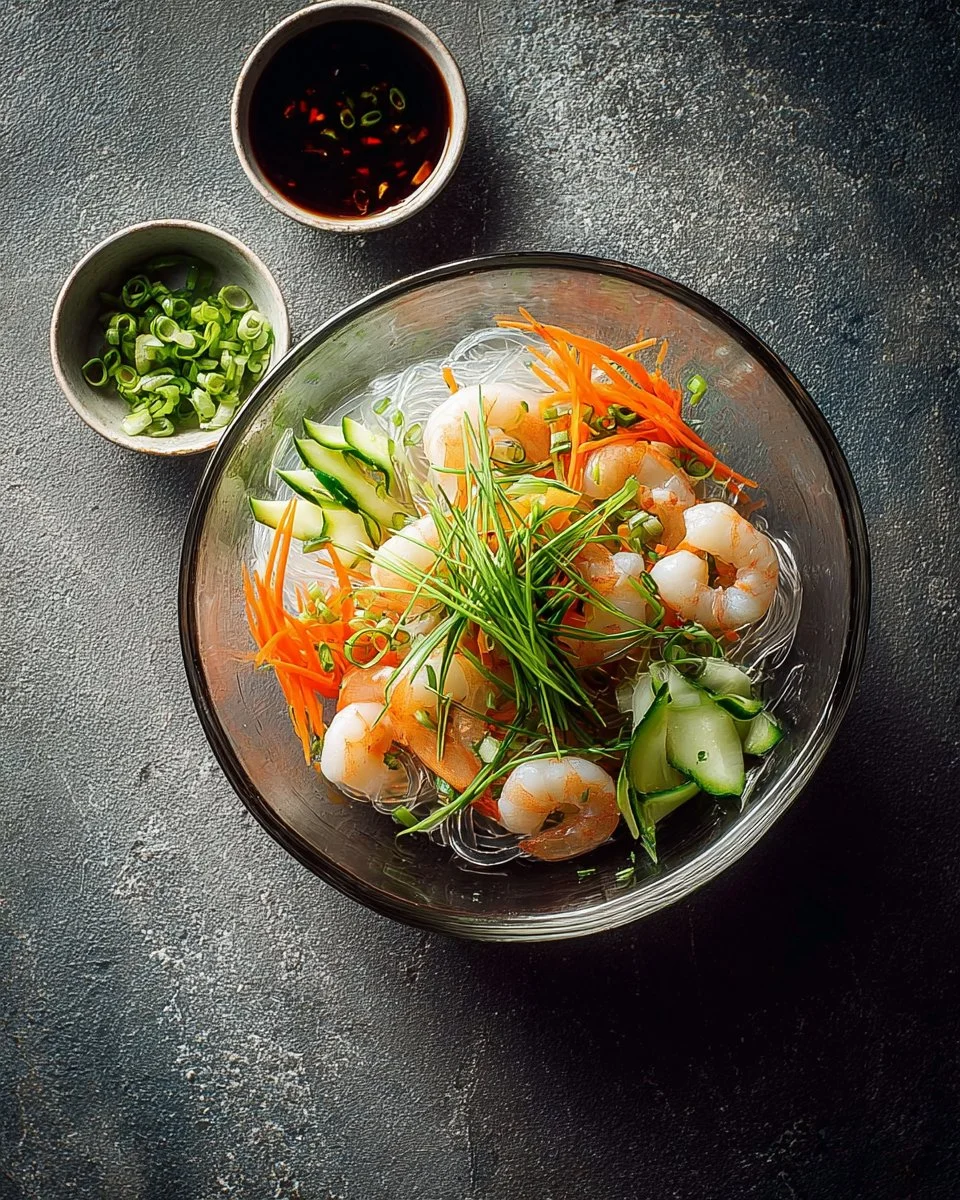
These Homemade Glass Noodles with Sesame Soy Dressing truly embody the spirit of home-cooked goodness — they are comforting, nostalgic, and delicious. I invite you to try this recipe, embrace the flavors, and perhaps create some cherished memories of your own. I’d love to hear how it turned out for you! Share your thoughts in the comments below, and don’t forget to check out other related recipes on my blog that celebrate this delicious flavor journey!
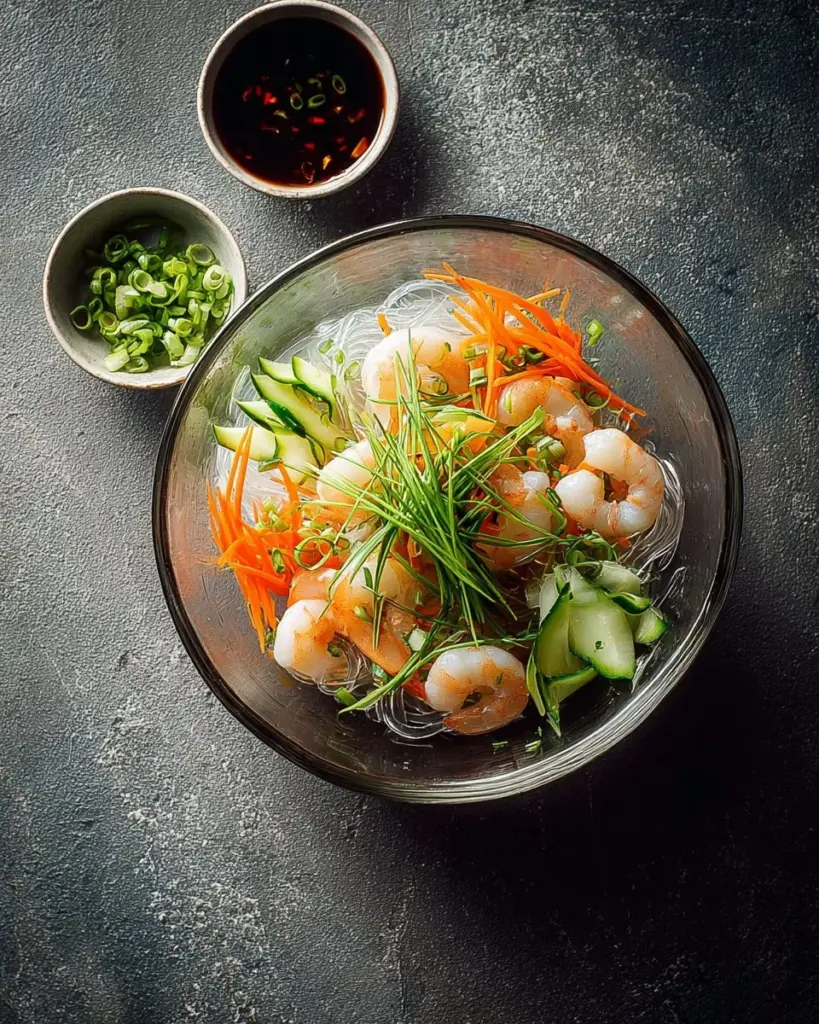
Homemade Glass Noodles with Sesame Soy Dressing
Ingredients
Method
- Prepare Your Mold: Find a rectangular, heat-resistant container such as a glass food storage container or a loaf pan (no larger than 8×8 inches). This is where your noodles will take shape!
- Heat the Water: In a pot, bring roughly 2 cups of water to a near simmer. This process usually takes about 5 to 7 minutes on medium heat.
- Mix the Starch: In a bowl, combine the remaining 1 cup of water with the mung bean starch, stirring vigorously until no lumps remain. This step is crucial for a smooth noodle texture!
- Combine: Slowly pour the starch mixture into the hot water, stirring constantly. You’ll notice a change in texture in about 2-3 minutes, where it should become thick and translucent.
- Mold the Mixture: Pour the mixture into your prepared mold and let it cool at room temperature for about 2 hours. Once cooled, refrigerate for at least an additional 3 hours.
- Cut the Noodles: Once chilled, carefully unmold and slice the noodles into desired shapes.
- Blanch (Optional): For a better texture, blanch the cut noodles in boiling water for about 10 seconds, then rinse them in cold water.
- Make the Dressing: In a bowl, grate garlic and add soy sauce, rice vinegar, sugar, and sesame oil. Stir until the sugar has fully dissolved.
- Plate the Noodles: Lay the glass noodles on a plate and drizzle generously with the dressing.
- Top it Off: Sprinkle with chili crisp, chopped green onions, and your choice of peanuts or sesame seeds.
- Prepare the Veggies: Serve with the julienned cucumber and carrots on the side, mixing everything together before digging in.