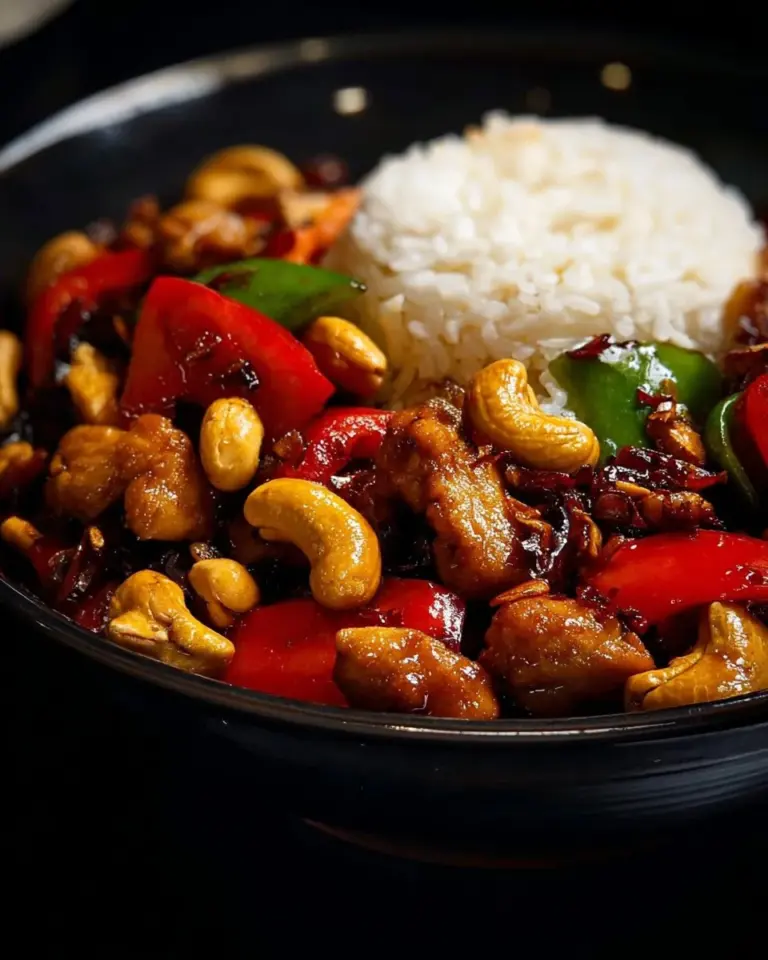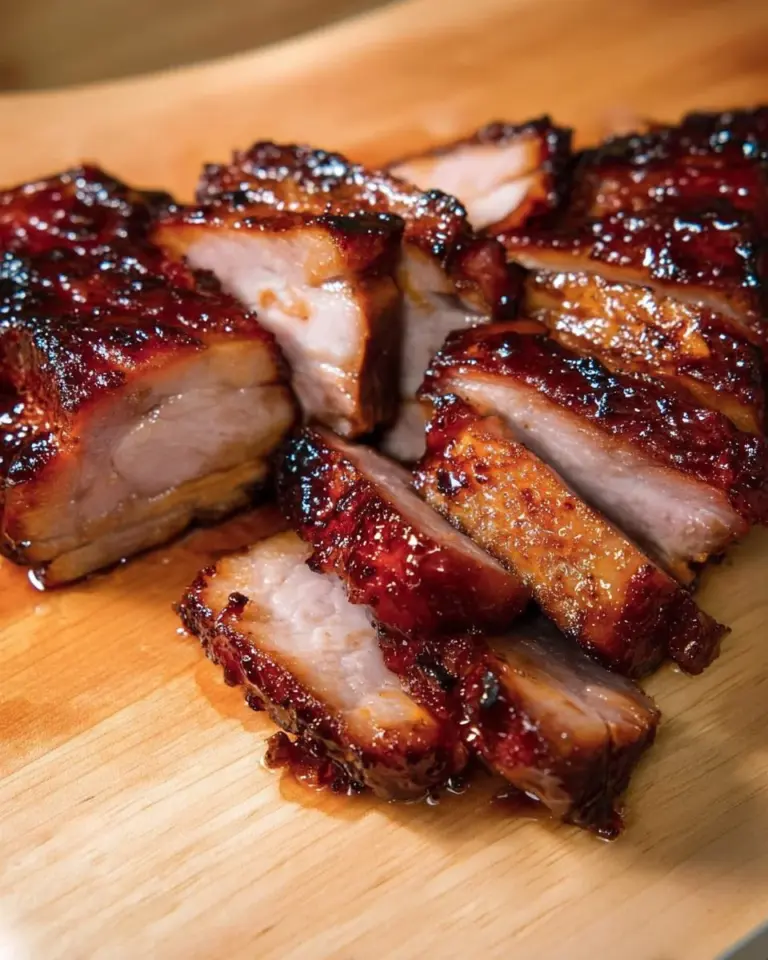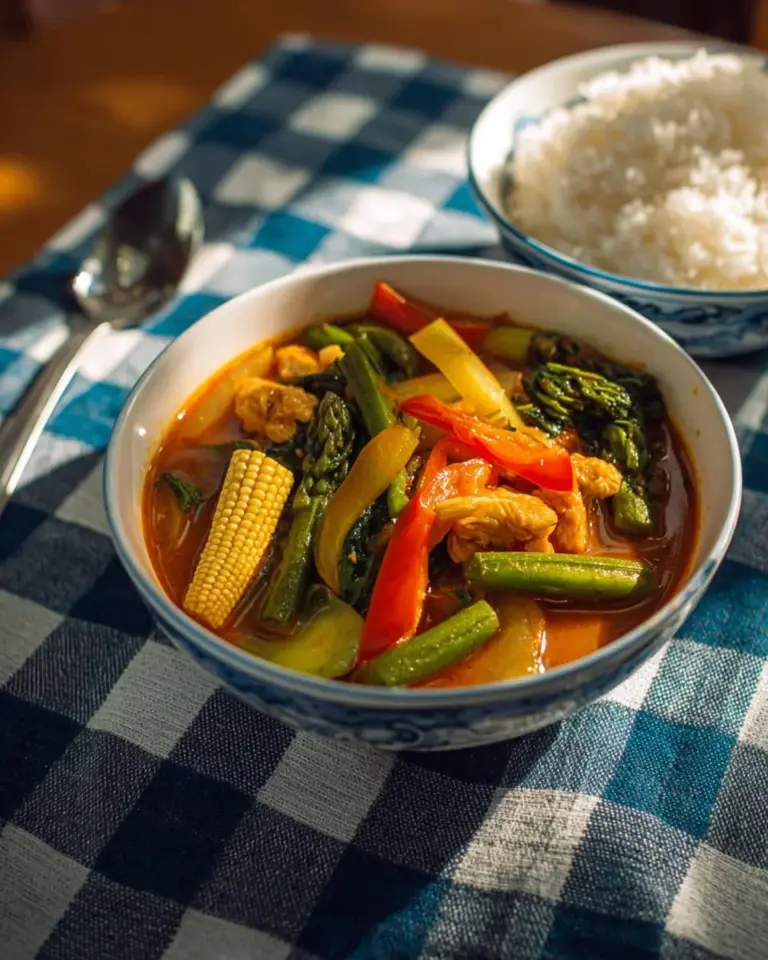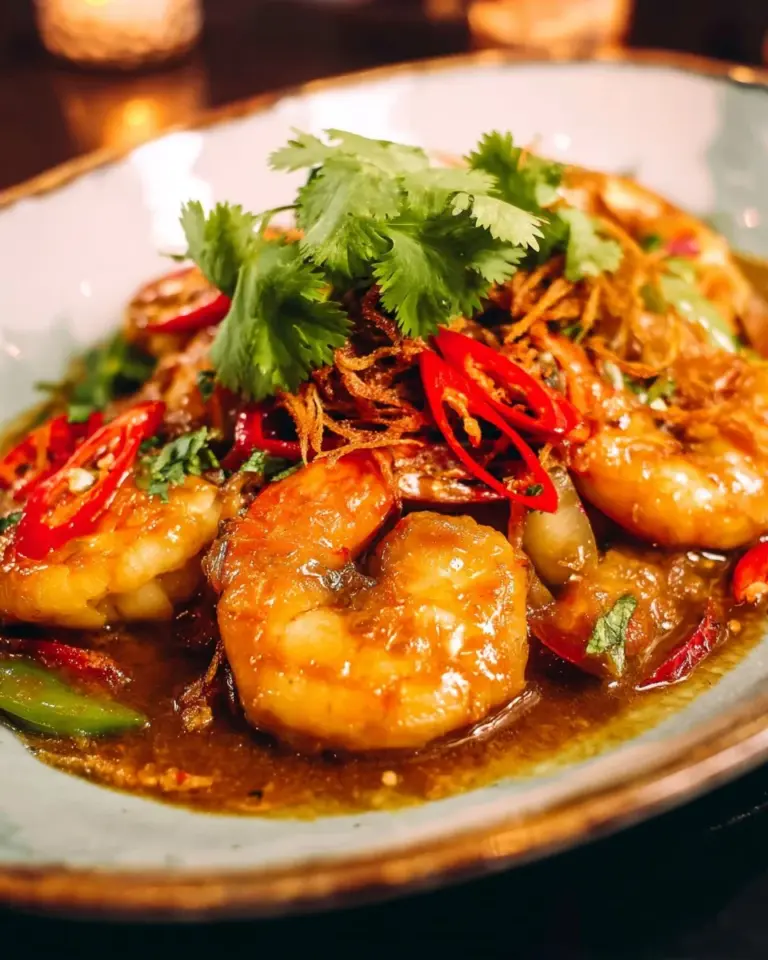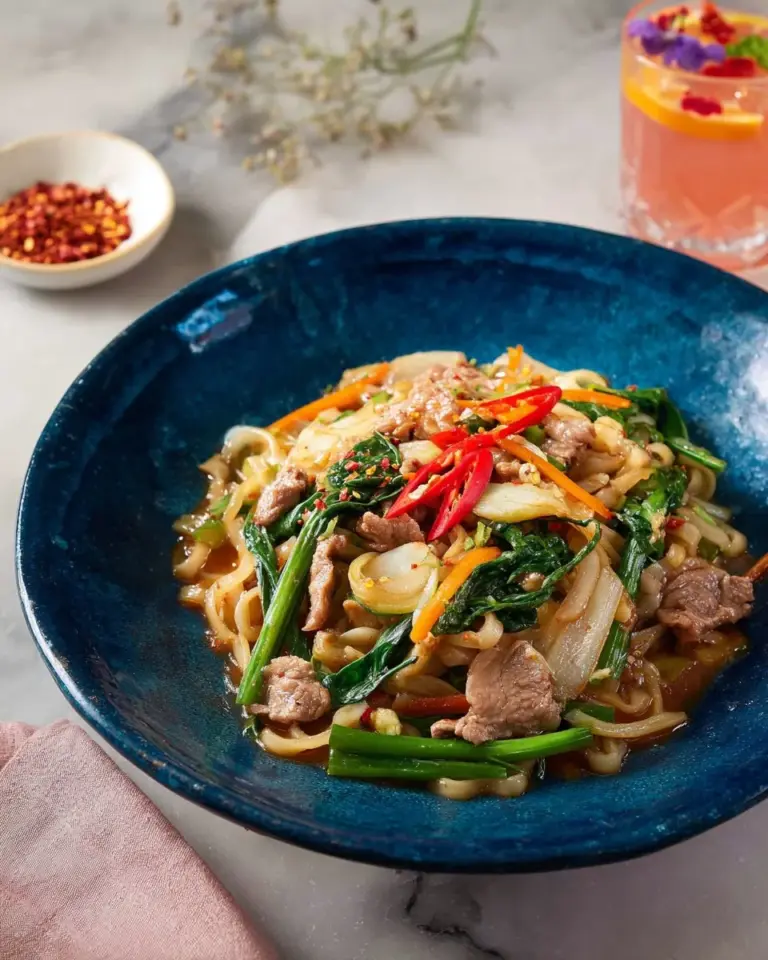
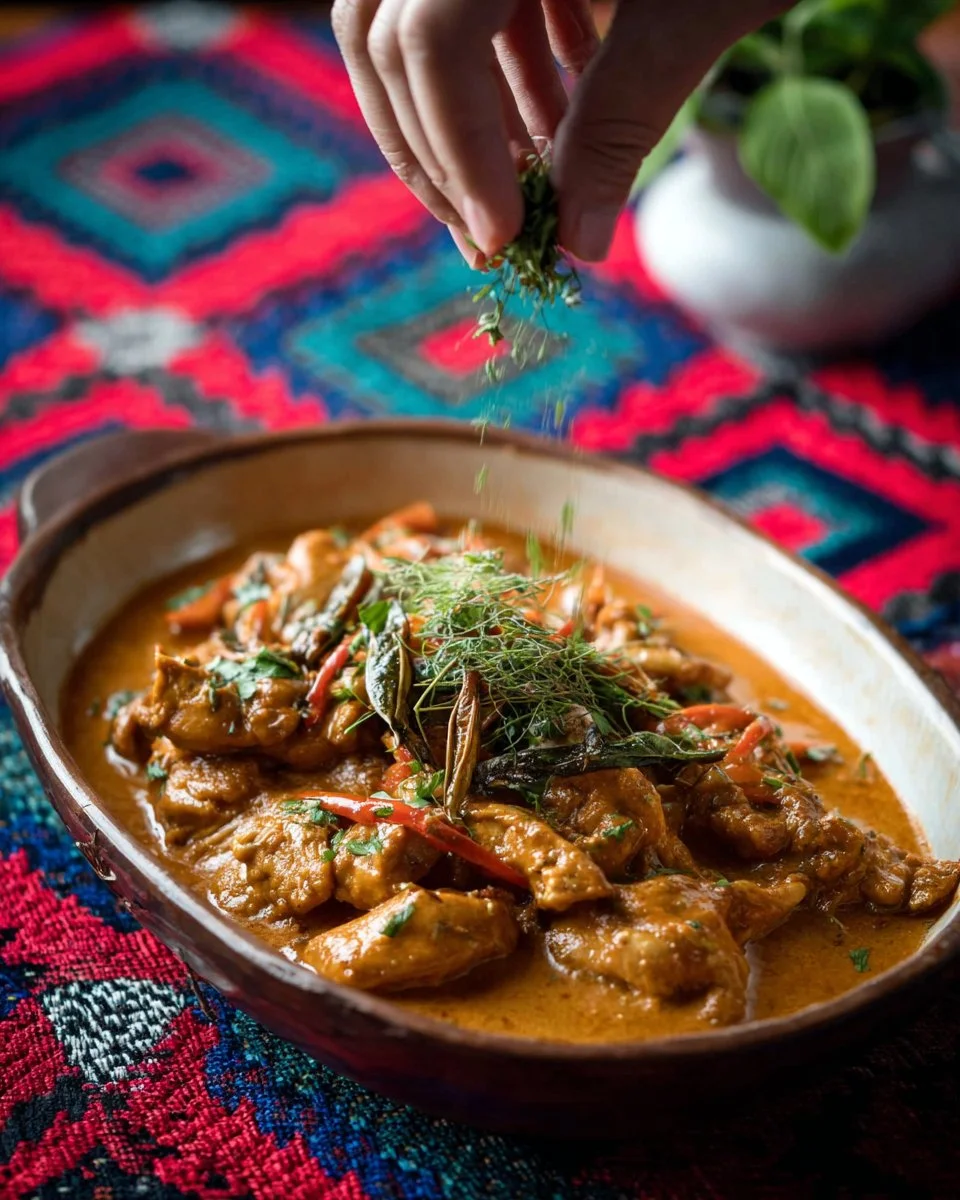
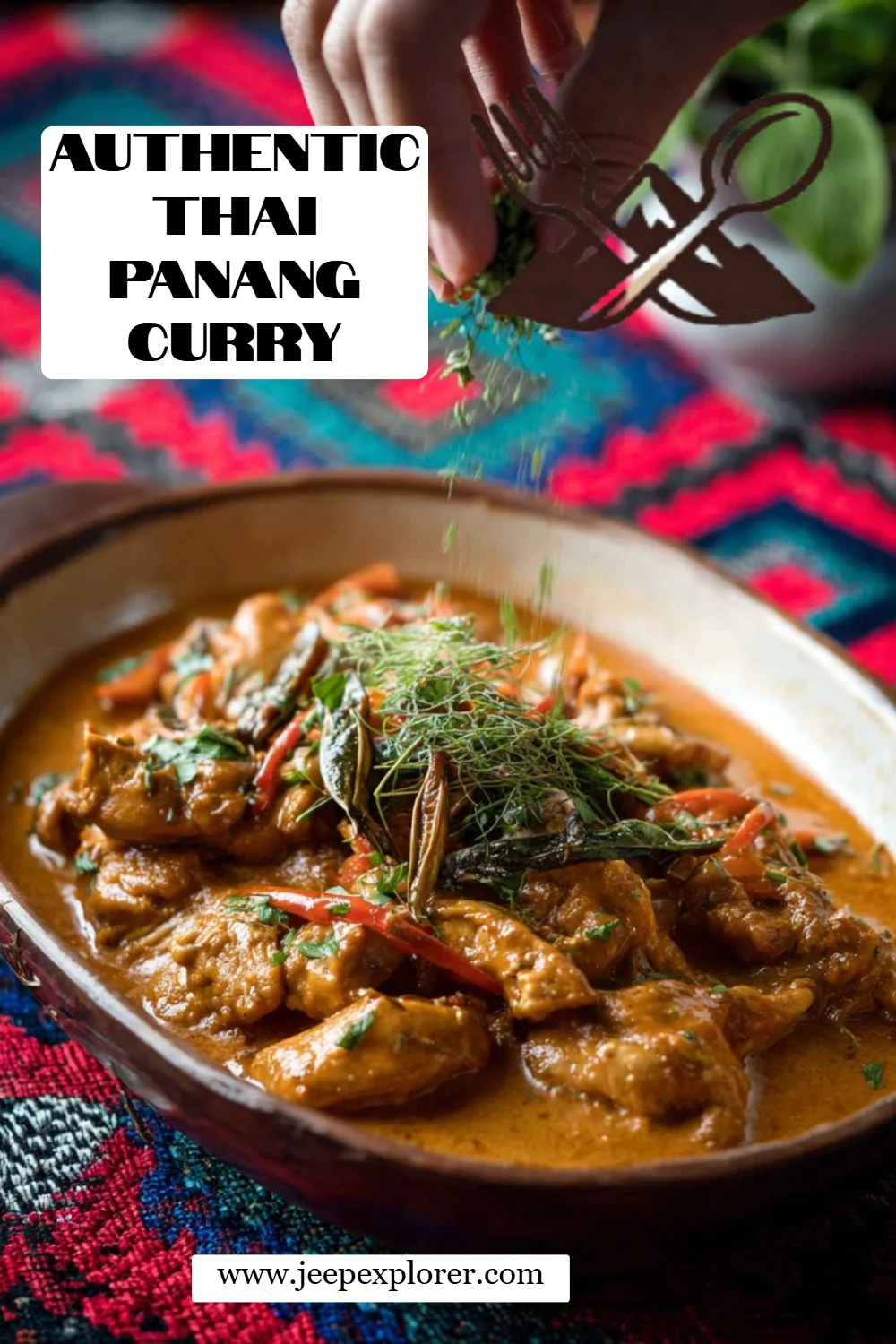
Discover the Secrets of Authentic Thai Panang Curry: A Spicy Comfort in Every Bowl!
If you’ve ever savored the intense and comforting flavors of Authentic Thai Panang Curry, you know the magic it brings to the dining table. I’ll never forget the first time I tasted it; the rich, creamy sauce enveloping tender meat was like a warm hug from my grandmother, who always knew how to make any meal feel special. In my kitchen, this hearty dish is more than just curry; it’s a family tradition that transports me back to joyful gatherings around the dinner table, the aroma of spices mingling with laughter.
What makes this Authentic Thai Panang Curry truly stand out is its exquisite balance of flavors—creamy coconut milk, fragrant spices, and that unmistakable hint of sweet palm sugar. Unlike those generic versions you often find in restaurants, this recipe promises a depth of flavor that will have your taste buds dancing. Plus, by making it from scratch, you have full control over the ingredients, allowing for unparalleled freshness and taste.
In this post, I promise to share everything you need to know to create your own scrumptious Panang Curry, from prepping the ingredients to achieving that perfect consistency. Get ready to impress your friends and family with a dish that’s a true labor of love!
What Are Authentic Thai Panang Curry?
Stretching back to centuries of rich Thai culinary tradition, Panang Curry is a beloved dish often served with rice. Originating from the southern regions of Thailand, the name "Panang" is derived from the Malay word for "to thicken," which perfectly describes the velvety consistency of this dish. The use of panang curry paste—a blend of spices, herbs, and coconut cream—creates a flavor profile that is sweet, slightly salty, and seductively fragrant, setting it apart from its cousin, the green or red curries.
The texture is creamy and luxurious, thanks to the coconut milk that forms the base, while the meat (often beef, chicken, or pork) tenderizes beautifully over low heat. With the addition of fragrant makrut lime leaves and a hint of palm sugar, each bite offers a complex blend of spicy, savory, and sweet, making it the perfect dish for comfort and celebration.
You’ll want to whip up this Authentic Thai Panang Curry on special occasions—think cozy dinners with loved ones or when you need a pick-me-up on a rainy day.
Why You’ll Love This Recipe
Here are some compelling reasons that will make you fall head over heels for this Authentic Thai Panang Curry:
Easier Than You Imagine: Sure, authentic Thai food sounds fancy, but this recipe is surprisingly easy! With minimal prep and active cooking time, you’ll have a restaurant-quality dish ready in no time—perfect for busy weeknights.
Customizable to Your Tastes: Whether you’d prefer beef, chicken, or even tofu for a vegetarian option, this recipe can easily be adapted to suit your taste or dietary needs. You can even swap out vegetables based on what you have on hand!
Cost-Effective and Flavorful: Why spend a fortune at fancy Thai restaurants when you can create your own Panang Curry for a fraction of the cost? By making it at home, you can control the quality of ingredients while keeping your budget in check.
No More Store-Bought Pastes: Many store-bought curry pastes lack depth and often come with preservatives. This recipe allows you to create your own straightforward paste—trust me, you can taste the difference!
An Instant Crowd-Pleaser: This dish not only fills your belly but also warms your heart, making it an instant hit among family and friends. Believe me, it’s a surefire way to impress anyone at your dinner parties.
In this recipe, I’ll guide you through making the homemade curry paste or opting for a convenient store-bought version that still packs a punch. You’ll be amazed at how accessible authentic Thai flavors can be!
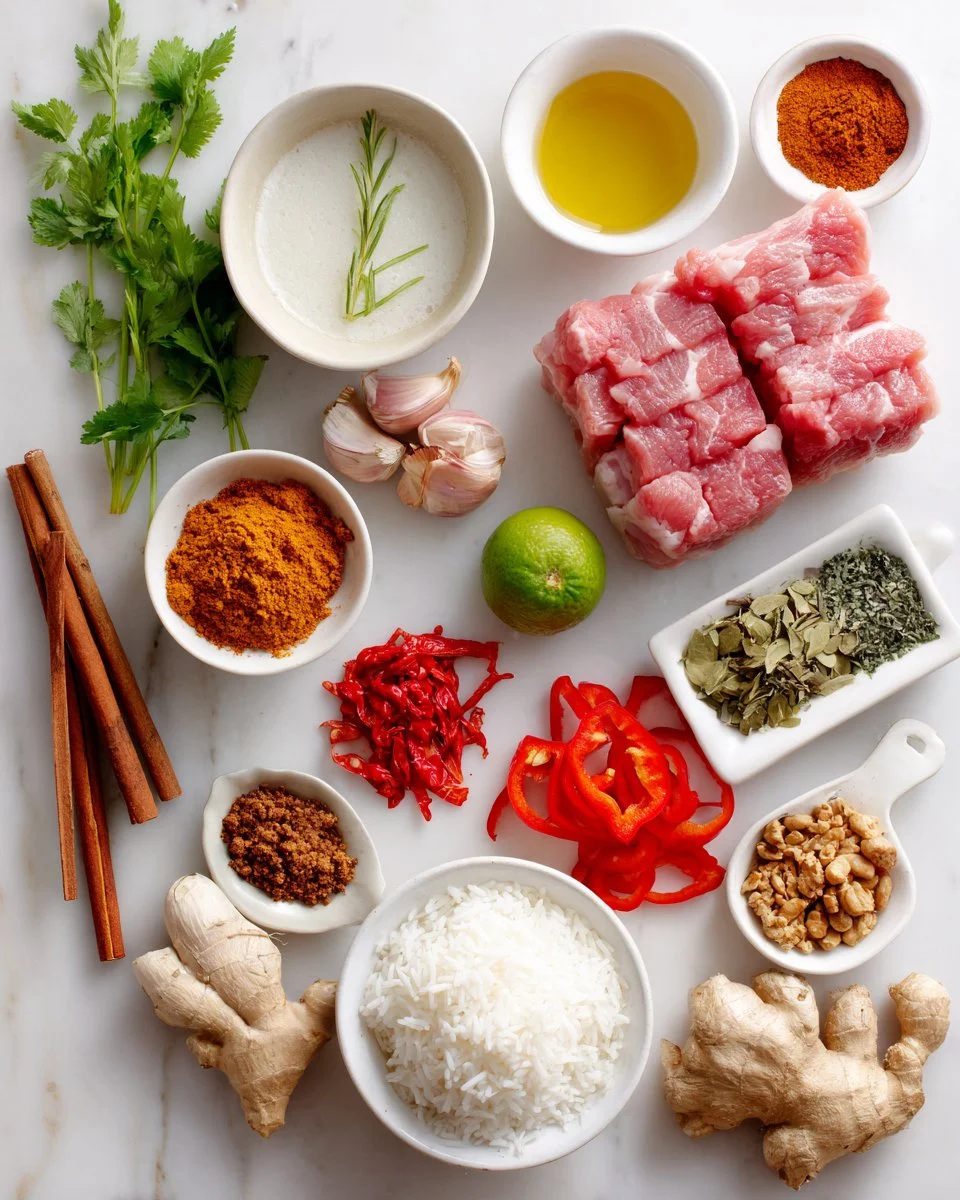
Ingredients
For the Panang Curry
- 4 Tbsp panang curry paste
- 10.5 oz pork tenderloin or collar, thinly sliced (you can substitute with chicken or tofu)
- 1.5 tsp fish sauce (adds umami depth; depending on dietary needs, this can be adjusted or omitted)
- 2 tsp neutral oil (for sautéing)
- 1.25 cups coconut milk (full-fat for creaminess)
- 10 makrut lime leaves (essential for authentic flavor; can be found at Asian markets)
- 1.5 Tbsp palm sugar (or brown sugar as a substitute)
- 1 red bell pepper, julienned (optional for a colorful crunch)
- Jasmine rice for serving
Ingredients for Homemade Panang Curry Paste:
- 10 g dried mild chilies
- 0.5 tsp coarse salt
- 0.75 tsp cumin seeds
- 1.5 tsp coriander seeds
- 0.25 tsp white peppercorns
- 3 Tbsp chopped lemongrass (fresh is best)
- 1 Tbsp chopped galangal (or ginger in a pinch)
- 1.5 tsp makrut lime zest (fresh or dried)
- 2 cilantro roots or 6 cilantro stems (for an aromatic base)
- 3 Tbsp chopped garlic
- 0.25 cup chopped shallots
- 1 tsp fermented shrimp paste (optional; adds umami)
- 2 Tbsp roasted peanuts (for texture and crunch)
Ingredients for Semi-Homemade Panang Curry Paste:
- 4 Tbsp red curry paste
- 0.75 tsp cumin seeds
- 1.5 tsp coriander seeds
- 2 Tbsp roasted peanuts
- 1 tsp fermented shrimp paste (optional)
Notes on Ingredient Quality:
- Coconut Milk: For the best flavor, use canned coconut milk rather than the carton versions, which tend to be thinner. Thai brands like Chaokoh are highly recommended.
- Pork: Tenderloin is lean and perfect for this recipe, but you can use pork shoulder for a richer texture or even chicken breast.
- Fish Sauce: Helps balance flavors; look for brands like Red Boat for high-quality options.
Organize your ingredients in the order they’ll be used, and make sure to get everything prepped ahead of time for a smoother cooking experience!
Step-by-Step Instructions
Prepare the Pork: In a bowl, combine the sliced pork with fish sauce and neutral oil. Massage it gently to ensure the pieces separate and absorb the flavors. This helps infuse the meat while you cook.
Heat the Coconut Milk: In a large pan or wok, heat the coconut milk over medium-high heat. Keep an eye on it! You’ll want the milk to thicken slightly, which usually takes about 5–7 minutes.
Add the Curry Paste: Once the coconut milk thickens, stir in the panang curry paste. Reduce the heat to medium-low and cook for an additional 3–5 minutes until the paste becomes aromatic, stirring frequently to prevent it from sticking to the bottom.
Incorporate Sugar and Lime Leaves: Add in the palm sugar and torn lime leaves. Stir well and let it simmer until the sugar dissolves completely.
Cook the Pork: Gently add the marinated pork to the pan. Cook until it’s about 50% done—this should take around 4–5 minutes. After this, add the remaining coconut milk and stir for another minute, being careful not to overcook the meat—aim for a tender bite.
Finish with Bell Peppers: If you’re using bell peppers, stir them in now. Adjust seasoning with additional fish sauce or sugar as needed.
Serve the Awesomeness: Serve your aromatic Panang Curry hot over a bed of jasmine rice. Garnish with fresh cilantro for an extra pop of color and flavor.
Chef’s Tip: Always taste your curry as you go! This ensures the perfect balance of flavors tailored to your preference.
Common mistakes include rushing the cooking stage where the coconut milk thickens or not simmering long enough for the flavors to meld. Take your time, sip a glass of wine, and enjoy the process!
Expert Tips & Tricks
Storage: Store any leftovers in an airtight container in the fridge for up to 3 days. If freezing, make sure to cool completely before sealing; it can last up to 2 months.
Make Ahead: Prepare the panang curry paste and store it in the fridge up to a week in advance. This gives the flavors a chance to deepen.
Troubleshooting Tips: If your curry becomes too thick, simply add a splash of water or more coconut milk to achieve your desired consistency. If it’s too salty, a pinch of sugar can balance it out nicely.
Serving Suggestions
Serve your Authentic Thai Panang Curry alongside fluffy jasmine rice to soak up all that delicious sauce. For a complete meal, consider a side of crunchy vegetable spring rolls or a fresh Thai salad. If you’re feeling fancy, don’t hesitate to garnish with some chopped peanuts and cilantro for an elegant touch.
This dish is perfect for cozy family dinners, festive gatherings, or even a romantic date night. The vibrant colors and aromatic spices set the stage for a memorable dining experience.
Variations & Substitutions
Flavor Combinations: Try adding eggplant or bamboo shoots for an even heartier dish. You can also experiment with different proteins like shrimp or chicken for varied taste.
Dietary Restrictions: For a vegan version, substitute meat with firm tofu and use tamari instead of fish sauce for that umami kick.
Seasonal Adaptations: In the summer, add seasonal vegetables like zucchini or snap peas to bring a freshness to the dish.
Nutrition & Storage Info
- Prep Time: 15 minutes
- Cook Time: 25 minutes
- Total Time: 40 minutes
- Yield: Serves 4
- Estimated Calories: Approximately 400 calories per serving
Storage Instructions: Keep leftovers in an airtight container—refrigerate for up to 3 days or freeze for 2 months.
FAQ Section
Can I make this dish vegetarian?
Yes! Substitute the meat with tofu and ensure you use a vegetarian fish sauce.What’s the secret to a creamy curry?
Using full-fat coconut milk and taking your time to let it thicken is key!Is panang curry spicy?
It’s mildly spicy compared to other Thai curries. If you prefer more heat, feel free to increase the amount of curry paste.Can I use store-bought curry paste?
Absolutely! For a quicker option, good-quality panang curry paste can save you time while still tasting great.What can I serve with Panang Curry?
Traditionally, jasmine rice pairs beautifully, but feel free to experiment with quinoa or cauliflower rice for a low-carb option!How can I enhance the flavor?
Adding a squeeze of lime juice or garnishing with fresh herbs right before serving can elevate the dish.What’s the difference between Panang and other Thai curries?
Panang is thicker, richer, and generally sweeter due to the use of coconut milk and palm sugar.How long does the curry stay fresh?
When stored properly in the fridge, it lasts for about 3 days.Can I freeze the curry?
Yes, it freezes well for up to 2 months. Ensure to cool it before freezing.Can I adjust the sweetness?
Definitely! You can increase or decrease the amount of palm sugar based on your preference.
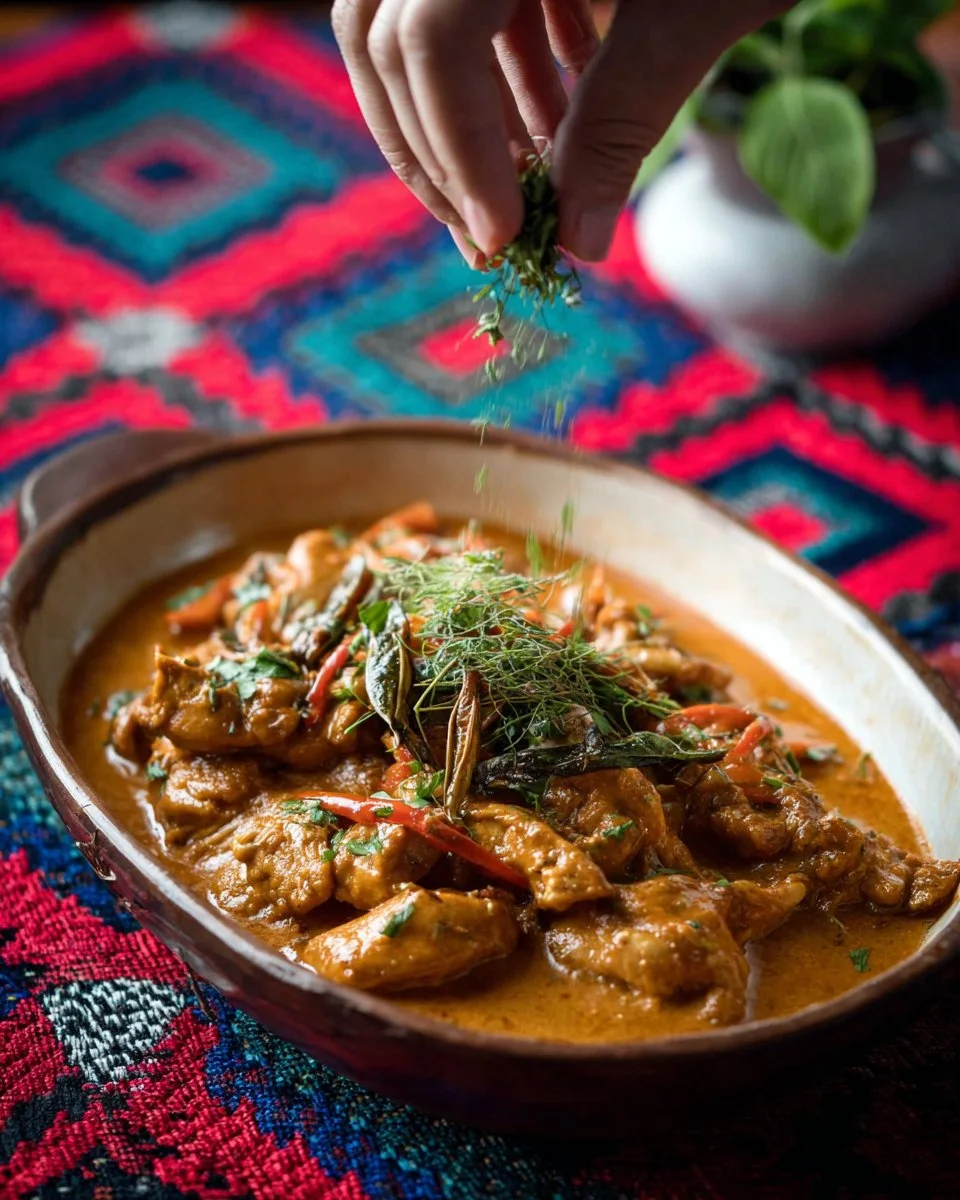
Conclusion
This Authentic Thai Panang Curry is more than just a recipe; it’s a chance to create beautiful memories around the table. With its rich flavors and comforting essence, it’s no wonder this dish has found a special place in so many hearts—and kitchens! I encourage you to give it a try and bring some Thai magic into your home.
I’d love to hear about your cooking experience! Share your thoughts, tweaks, or feedback in the comments below. And if you’re hungry for more delicious recipes, don’t miss out on my other blog posts for a variety of culinary inspirations that’ll keep you cooking with love!
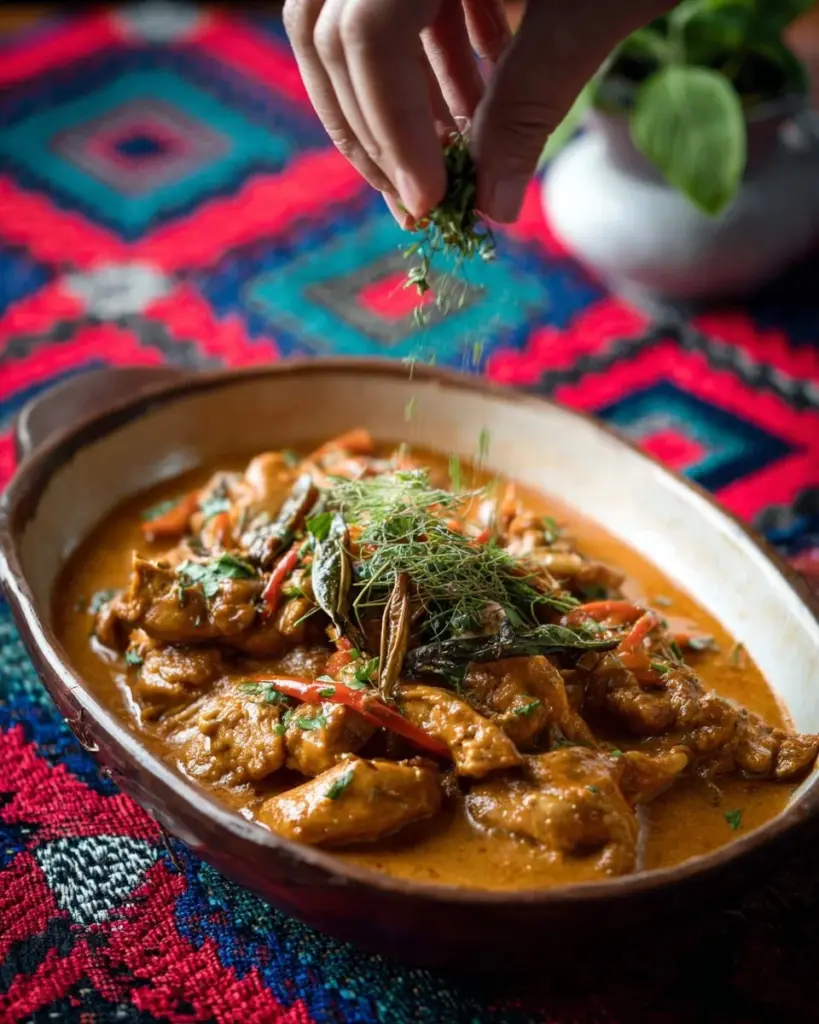
Authentic Thai Panang Curry
Ingredients
Method
- In a bowl, combine the sliced pork with fish sauce and neutral oil. Massage gently to ensure the pieces separate and absorb the flavors.
- Organize your ingredients in the order they'll be used, and prep everything ahead of time.
- In a large pan or wok, heat the coconut milk over medium-high heat, stirring often, until it thickens slightly (about 5–7 minutes).
- Stir in the panang curry paste, reduce heat to medium-low, and cook for 3–5 minutes until aromatic.
- Add palm sugar and torn lime leaves, stirring until sugar dissolves.
- Gently add the marinated pork and cook until it's about 50% done (4–5 minutes). Add the remaining coconut milk and stir for another minute.
- If using, stir in the bell peppers, and adjust seasoning with additional fish sauce or sugar as needed.
- Serve your aromatic Panang Curry hot over a bed of jasmine rice, garnished with fresh cilantro.