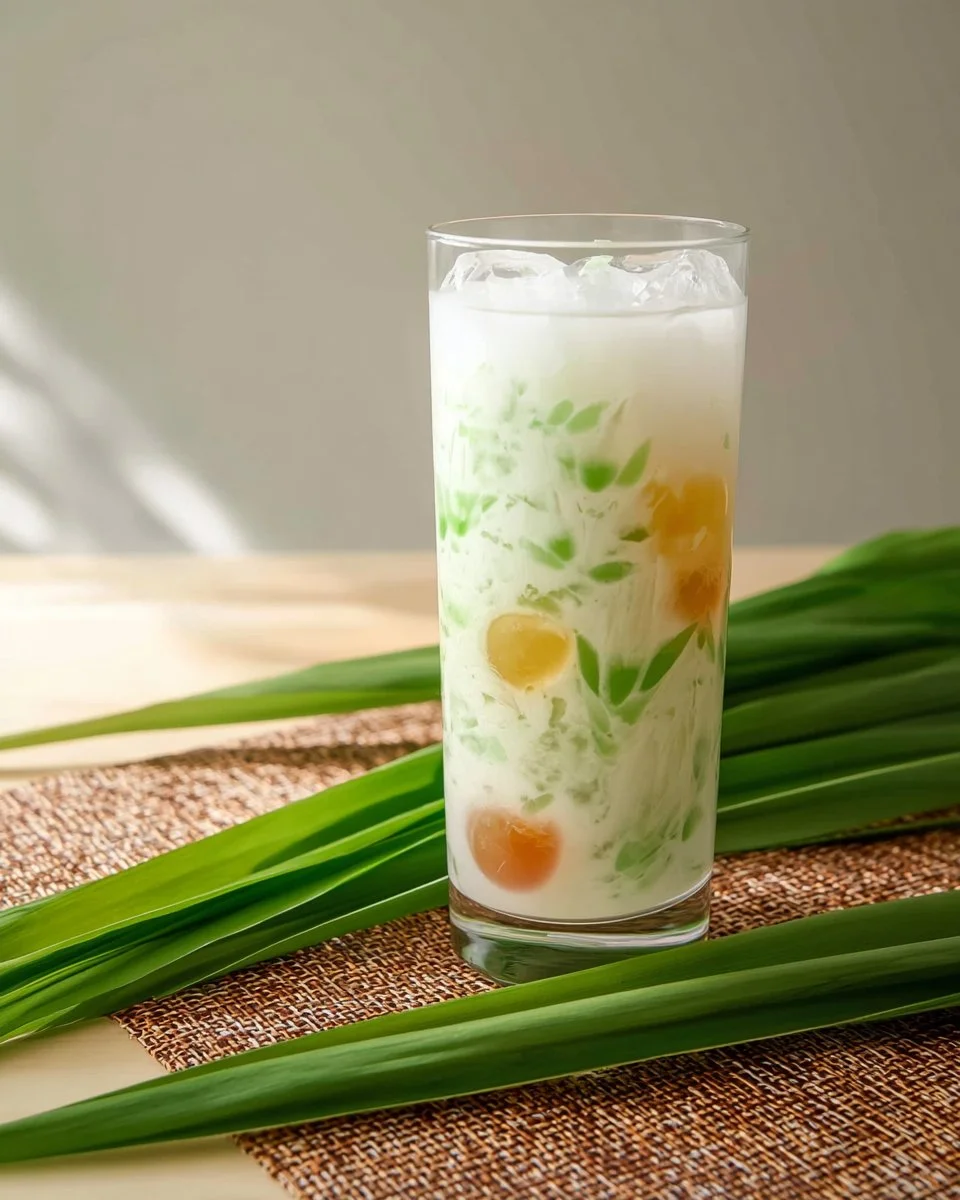
Delightful Bubble Tea Noodles in Coconut Milk: The Sweet Creaminess of Lod Chong Singapore / Cendol!
Growing up in a culturally rich family, food was more than just sustenance; it was a canvas for memories and stories. One of my favorite summer treats was a trip to the local hawker stalls, where the fresh air mingled with the enticing aroma of sweet desserts. Among those delights, Bubble Tea Noodles in Coconut Milk—known to many as Lod Chong Singapore or Cendol—always held a special place in my heart. The moment I slurped those chewy noodles coated in creamy coconut milk and sweetened with pandan syrup, I was transported back to sunny afternoons shared with family.
What makes this recipe so remarkable is the harmony of flavors and textures. Each spoonful offers a delightful chewiness from the noodles, a refreshing creaminess from the coconut, and a pop of sweetness from the jackfruit. Trust me; this recipe is better than the ones you’ll find at restaurants—it’s made with love, the freshest ingredients, and a hint of nostalgia! By the end of this post, I promise you’ll learn just how easy it is to make this beloved dessert at home, complete with tips, tricks, and some personal anecdotes to sweeten the deal.
What Are Bubble Tea Noodles in Coconut Milk (Lod Chong Singapore / Cendol)?
Bubble Tea Noodles in Coconut Milk—a colorful and delicious treat—originates from Southeast Asia, specifically Singapore and Malaysia, where it frequently graces festive tables and local stalls. Traditionally, lod chong is crafted with rice flour or mung bean starch, resulting in a delightful, chewy texture that reminds you of bubble tea pearls. When combined with rich coconut milk, pandan aroma, and sweetened with sugar, this dessert becomes an irresistible concoction that dances on your palate.
What makes these little noodles truly unique is the infusion of flavors. The pandan leaf contributes a vivid green hue and a fragrant touch, making your dish not just tasty but also visually stunning. Whether it’s a hot day or you need a comforting pick-me-up, Bubble Tea Noodles in Coconut Milk can be served chilled or at room temperature, making it the perfect treat for any occasion!
Why You’ll Love This Recipe
Deliciously Unique: This sweet treat combines the chewy texture of bubble tea noodles with the creamy, rich taste of coconut milk, creating a delightful experience unlike your average dessert.
Cost-Effective: While store-bought versions can sometimes cost a pretty penny, making your own Bubble Tea Noodles in Coconut Milk is incredibly affordable! You can whip up one serving or feed a crowd without breaking the bank.
Rich in Flavor: This recipe celebrates the natural sweetness of jackfruit and the aromatic essence of pandan. Trust me, once you taste the homemade pandan syrup and coconut milk, you’ll never look back at pre-packaged alternatives.
Customizable: This recipe offers endless variations! Whether you prefer more coconut milk, a splash of sweetness, or a different fruit topping, you can tweak this dish to suit your tastebuds perfectly. Don’t you just love a dessert that tailors itself to your cravings?
Simplicity: Even if you’re not a seasoned chef, you’ll find that this recipe is straightforward and easy. With just a few ingredients and simple steps, you’ll impress your family and friends like a pro!
Ingredients Section
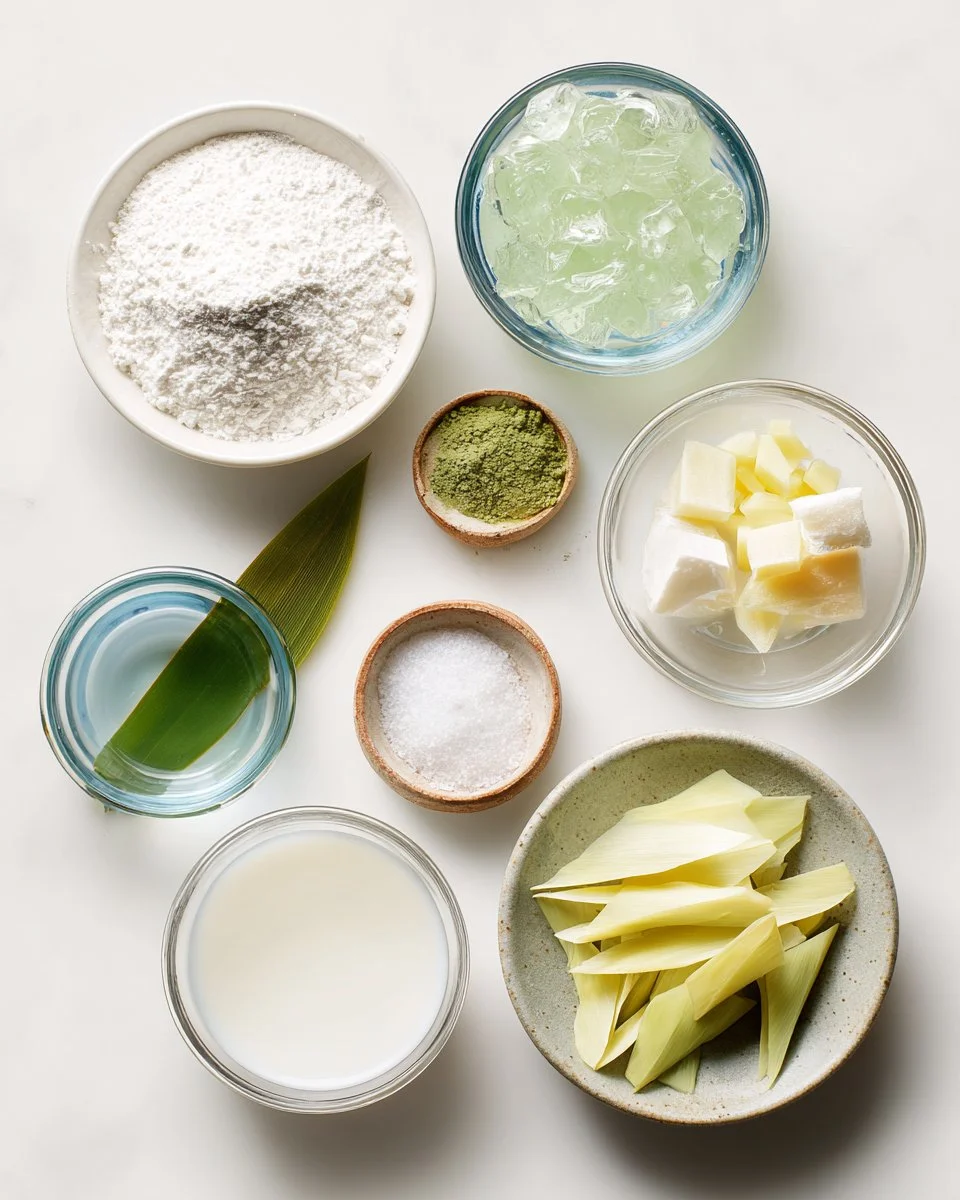
Here’s what you’ll need to make these luscious Bubble Tea Noodles in Coconut Milk:
- 4.2 oz Pine Brand tapioca starch: Essential for that delightful chewiness. You can find this at Asian grocery stores or online.
- 0.9 oz Pine Brand mung bean starch: Adds a unique texture. Look for this in the same aisle as tapioca starch.
- 2/3 cup water: To hydrate the starches.
- 5 drops green food coloring: For that iconic hue—don’t worry, it’s optional if you prefer a natural look!
- 1 1/4 cup coconut water or plain water: I recommend coconut water for extra sweetness and flavor.
- 3/4 cup sugar: Adjust to taste; you can even use coconut sugar if you like.
- 1 pandan leaf: An essential ingredient for the traditional flavor; you can find it at Asian markets, typically in the frozen section.
- 1 cup coconut milk: Look for high-quality canned coconut milk for the richest flavor.
- 1/2 cup coconut water: Optional, but love the flavor boost!
- 1/8 teaspoon table salt: Helps balance the sweetness.
- 5 pieces sweet jackfruit, julienned: This is a wonderful complement to the dish.
- Lots of ice: To serve chilled!
Notes on Ingredient Quality/Substitutions:
- Brands: I recommend Pine Brand for both tapioca and mung bean starch, as they provide a nice chewy texture.
- Coconut Products: Full-fat coconut milk will give you the richest, most luxurious texture; if you want to lighten it up, try light coconut milk.
- Jackfruit: You can find fresh or canned jackfruit in Asian grocery stores. If you’re unable to source jackfruit, mango or rambutan can make a fantastic substitute!
Step-by-Step Instructions
1. Make the Pandan Syrup
In a pot, combine 1 1/4 cups coconut water and tie the pandan leaf in a knot before adding it to the pot. Simmer on low heat for about 5 minutes. Then, stir in 3/4 cup sugar and mix until completely dissolved. Let it cool completely.
2. Make the Coconut Milk
In another pot, add 1 cup coconut milk, 1/2 cup coconut water, and 1/8 teaspoon table salt. Tie another pandan leaf in a knot, add it to the pot, and allow it to simmer on low for 5 minutes. Cool completely.
3. Make the Noodles
In a large mixing bowl, whisk together 4.2 oz tapioca starch and 0.9 oz mung bean starch. In a separate pan, bring water to a boil, adding 5 drops of green food coloring. Once bubbling, drizzle the hot water into the starch mixture while stirring to form a rough dough. Knead the mixture until smooth, possibly adding more starch to achieve the right texture. Next, roll out the dough into thin sheets and cut them into noodle shapes. Be sure to dust with tapioca starch to prevent sticking.
4. Cook the Noodles
Bring a pot of water to boil and cook the noodles until they float (about 1-2 minutes). Quickly transfer them to a bowl of cold water to stop the cooking process, then drain.
5. Serve
In a bowl, add a generous serving of the noodles, some julienned jackfruit, and pour both the pandan syrup and coconut milk over the top. Serve over lots of ice for a refreshing treat! For best results, allow the dish to sit for 15 minutes to let the flavors meld together.
Chef’s Tips:
- Ensure your water is boiling when you mix it with the starch for a smoother dough.
- If noodles are too sticky, dust with extra tapioca starch while rolling and cutting.
- Always cool the noodles in ice water after boiling to maintain their chewy texture!
Expert Tips & Tricks
Storing Your Noodles: Once prepared, the noodles are best enjoyed fresh, but you can refrigerate leftovers for up to 2 days. Just keep them in an airtight container separated by parchment paper to prevent sticking.
Make Ahead: You can prepare the pandan syrup and coconut milk a day in advance. Just give them a quick reheat when you’re ready to serve.
Troubleshooting: If your noodles don’t get that characteristic chewiness, try adjusting the ratios of tapioca to mung bean starch. Adding a bit more tapioca can help.
Flavor Boost: Experimentation is encouraged—try adding a splash of vanilla extract for a unique twist or mix in some fruity purees for flavor variations!
Presentation: For a visually stunning presentation, serve in clear glasses that showcase the colorful layers of coconut milk and syrup. Garnish with additional jackfruit slices.
Serving Suggestions
Serve your delightful Bubble Tea Noodles in Coconut Milk on a hot day alongside some crunchy spring rolls or spicy Thai snacks for a delightful balance of flavors. For a festive touch, arrange bowls of toppings like fruits, nuts, or even festive sprinkles! This dessert is perfect for family gatherings or potlucks—watch everyone swoon over the sweet, chewy goodness!
Variations & Substitutions
Feel free to make this recipe your own! Here are a few ideas:
- Flavored Noodles: Incorporate other extracts like pandan or black sesame to introduce new flavors.
- Dietary Considerations: For a vegan version, be sure your coconut milk is labeled dairy-free. You can also adjust the sweetness with natural sweeteners like agave or maple syrup.
- Seasonal Fruiting: In summer, add fresh berries; in autumn, try slices of ripe persimmon or autumn fruits like pomegranate seeds for a seasonal twist.
Nutrition & Storage Info
- Prep Time: 30 minutes
- Cook Time: 15 minutes
- Total Time: 45 minutes
- Servings: About 4
- Estimated Calories per Serving: Approximately 250 calories, depending on your specific ingredients and portions.
- Storage Instructions: Keep any leftovers in an airtight container in the refrigerator for up to 2 days.
FAQ Section
Can I use a different type of starch?
- Absolutely! While tapioca and mung bean starch are traditional, you can experiment with arrowroot or sweet potato starch if you’re in a pinch.
Is this dessert gluten-free?
- Yes! All the ingredients in the recipe are naturally gluten-free, making it a great option for those with gluten sensitivities.
Can I use frozen pandan leaves?
- Yes! Frozen pandan leaves work beautifully, just thaw them before use for the best flavor infusion.
How can I get the right consistency for the syrup?
- If your syrup is too thin, simmer it longer to reduce it down. If it’s too thick, add a bit of water.
Can I make this ahead of time?
- You can prepare the pandan syrup and coconut milk a day in advance; the noodles are best fresh but can be stored in the fridge for a couple of days.
What do I do if my noodles are too sticky?
- Dust them generously with tapioca starch while rolling and cutting, and make sure to cool them in ice water after cooking.
Is this dessert typically served warm or cold?
- Cendol is traditionally served cold over ice, but you can enjoy it at room temperature if you prefer.
What fruits can I add?
- Besides jackfruit, try adding mango, rambutan, or even fresh lychee to mix things up!
Is it hard to find the ingredients?
- Most ingredients are readily available at Asian grocery stores or can be ordered online.
Can I make a large batch for a party?
- Definitely! Just scale the ingredients accordingly, and everyone will enjoy this delightful treat.
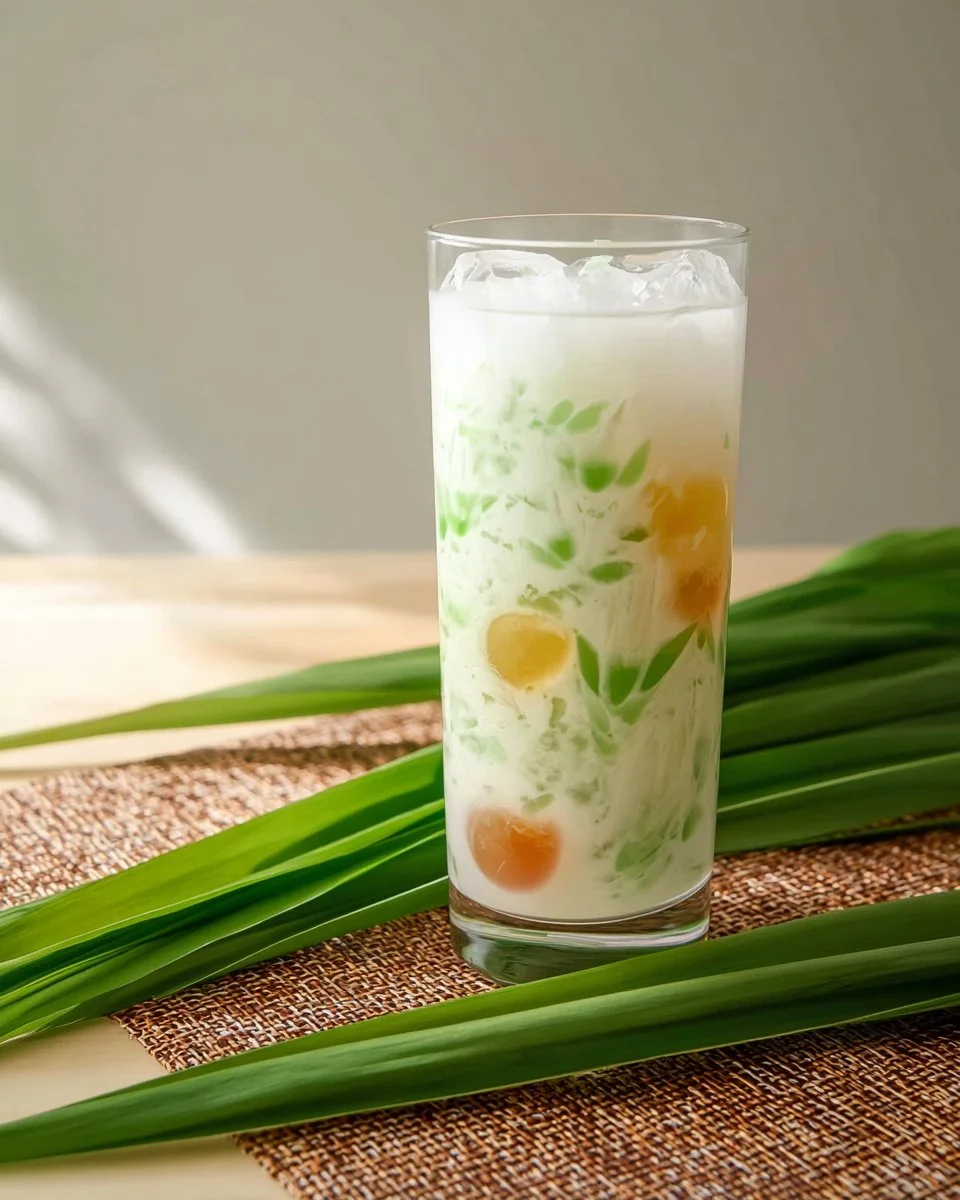
Conclusion
I hope this recipe for Bubble Tea Noodles in Coconut Milk ignites fond memories and flavors akin to those carefree days in bustling hawker stalls! It brings together the joys of family and culinary creativity, inviting you to indulge in sweet nostalgia. I can’t wait for you to try your hand at this delightful dish. Please share your experiences and any modifications you make in the comments below. If you enjoy this dessert, be sure to check out my other related recipes on the blog! Happy cooking!
Bubble Tea Noodles in Coconut Milk (Lod Chong Singapore / Cendol)
Ingredients
Method
- In a pot, combine 1 1/4 cups coconut water and tie the pandan leaf in a knot before adding it to the pot. Simmer on low heat for about 5 minutes, then stir in 3/4 cup sugar and mix until completely dissolved. Let it cool completely.
- In another pot, add 1 cup coconut milk, 1/2 cup coconut water, and 1/8 teaspoon table salt. Tie another pandan leaf in a knot, add it to the pot, and allow it to simmer on low for 5 minutes. Cool completely.
- In a large mixing bowl, whisk together 4.2 oz tapioca starch and 0.9 oz mung bean starch. In a separate pan, bring water to a boil, adding 5 drops of green food coloring. Once bubbling, drizzle the hot water into the starch mixture while stirring to form a rough dough. Knead until smooth, adding more starch as needed.
- Roll out the dough into thin sheets and cut into noodle shapes, dusting with tapioca starch to prevent sticking.
- Bring a pot of water to a boil and cook the noodles until they float (about 1-2 minutes). Quickly transfer them to a bowl of cold water to stop the cooking process, then drain.
- In a bowl, add the noodles, julienned jackfruit, and pour both the pandan syrup and coconut milk over. Serve over lots of ice for a refreshing treat.
- For best results, allow the dish to sit for 15 minutes to let the flavors meld.