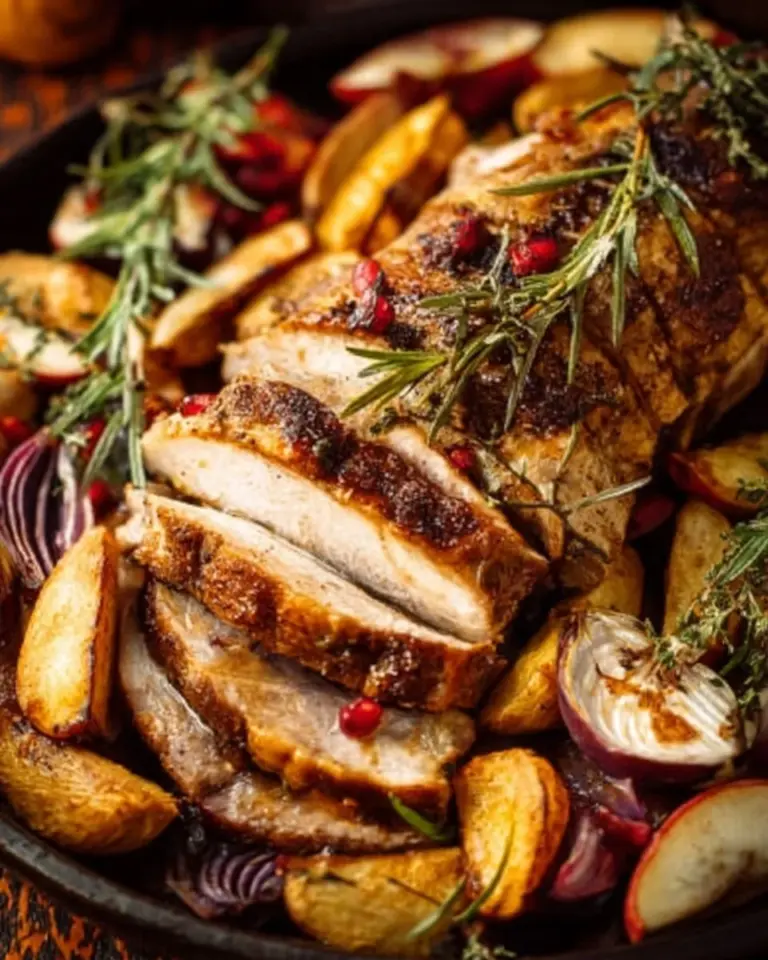
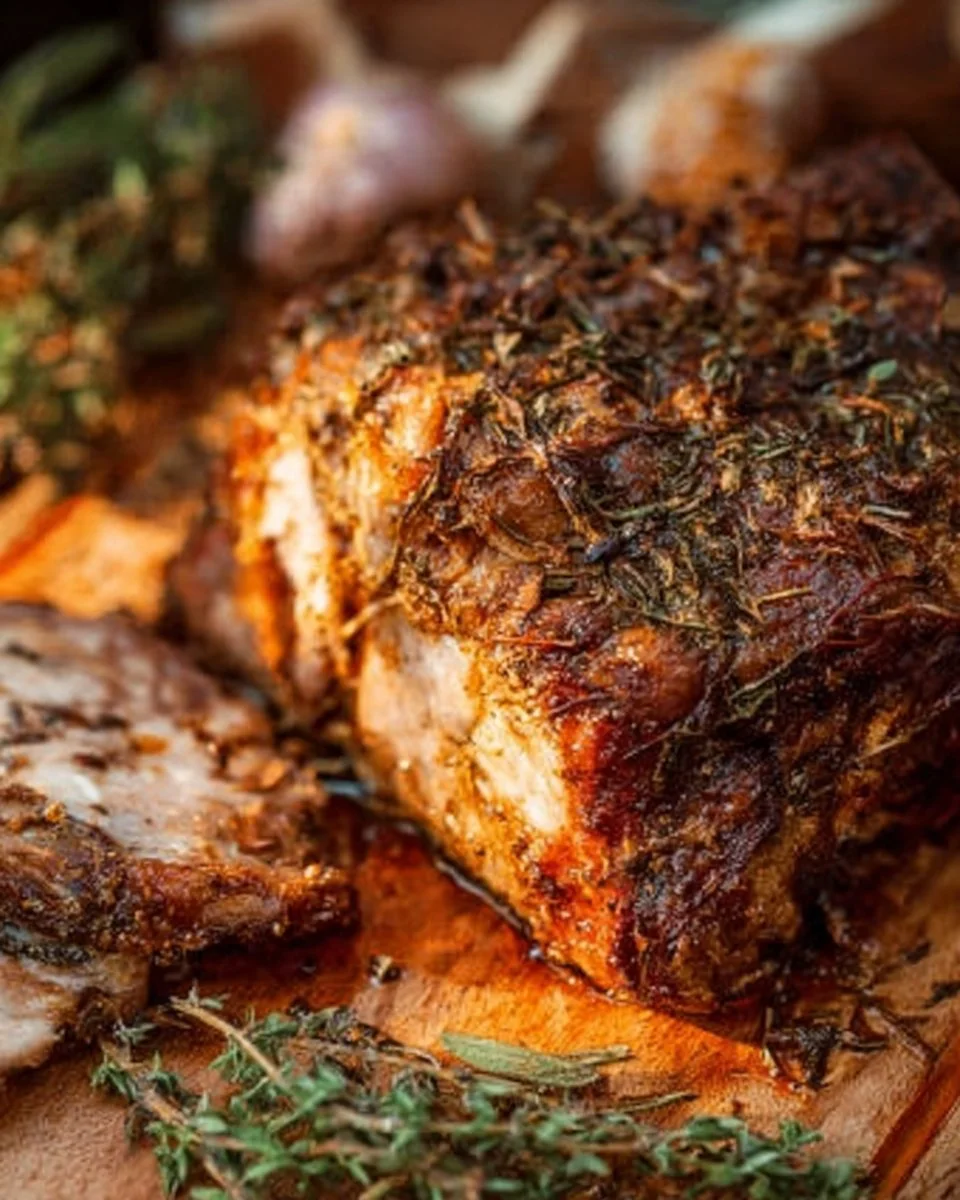
Picture this: It’s a brisk Sunday afternoon, and the warm, savory aroma of a perfectly roasted Pork Shoulder Roast fills the air. As I pull the meal from the oven, my family gathers around the table, smiles spreading across their faces. For years, this dish has been my family’s Sunday staple, a recipe passed down through generations, each one adding their unique twist.
What makes this Pork Shoulder Roast so special? Beyond its mouthwatering flavor, it’s the symphony of fresh herbs and savory garlic mingling in the oven—memories created with every slice we share. This recipe stands apart from others because it uses a simple dry brine, helping to develop deeper flavors and create a juicy roast that melts in your mouth. It’s not just food; it’s comfort, laughter, and stories shared over the dinner table.
In this blog post, you’ll learn how to prepare a succulent Pork Shoulder Roast that will elevate your family gatherings. From the brining process to the final roast, I promise you’ll find tips and tricks to make this dish a true crowd-pleaser!
What is a Pork Shoulder Roast?
The Pork Shoulder Roast, also known as the Boston butt, comes from the upper part of the pig’s front leg. Historically, this cut was popularized in New England, where the meat was packed into barrels for long journeys, gaining a reputation for its rich flavor and tenderness.
With a marbled texture, this roast offers a perfect balance of juicy meat and savory fat, making it a favorite among home cooks. Its taste is robust and slightly sweet, particularly when paired with herbs and a gentle slow roasting process. The unique combination of tenderness and flavor makes this cut incredibly versatile—ideal for everything from tacos to sandwiches.
Choosing to cook a Pork Shoulder Roast means opting for comfort food that feels like a warm hug. It’s perfect for family dinner nights or gatherings with friends when you need a hearty meal that everyone will love.
Why You’ll Love This Recipe
Incredible Flavor: Unlike fast-cooked options, this Pork Shoulder Roast becomes a flavor explosion as it cooks low and slow, allowing the spices to permeate every bite.
Cost-Effective: Pork shoulder is budget-friendly and feeds a crowd. You’ll often find it priced lower than other cuts, making it perfect for those looking to feed family or friends without breaking the bank.
Customization Options: The recipe comes with a solid base that you can adjust to your taste—add a kick of spice, experiment with different herbs, or serve it with your favorite sauce.
Easy to Prepare: With a little bit of planning, this roast requires minimal effort. Just some initial prep the night before and let the oven do its magic.
Memorable Experience: The process of cooking and serving a Pork Shoulder Roast becomes an event itself. The smiles and “oohs” as you slice it are worth every minute!
When comparing to store-bought or restaurant options, nothing beats the satisfaction of preparing a homemade roast, filled with love and care, and the assurance of high-quality ingredients.
Ingredients
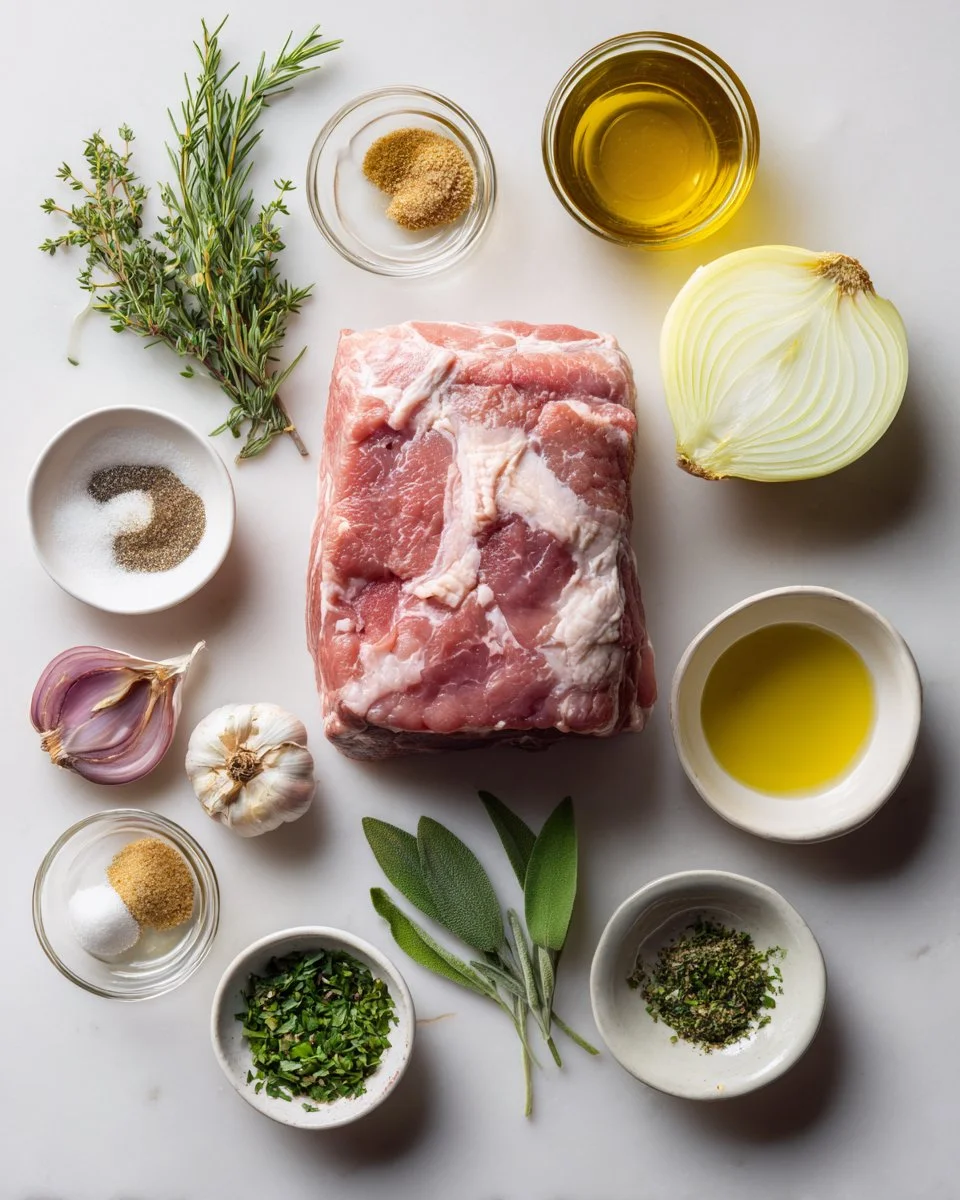
To create your perfect Pork Shoulder Roast, gather the following ingredients:
4 pounds boneless pork shoulder (excess fat trimmed) – Look for a piece with even marbling for optimal flavor and tenderness.
Olive oil (as needed) – Use a good-quality extra virgin olive oil for the best taste.
1 large yellow onion (cut into thick slices) – Adds sweetness and enhances the drippings.
6 sprigs fresh herbs (rosemary, thyme, sage) – Fresh herbs elevate the dish magnificently; use organic if possible.
Chicken broth for the pan (as needed, approximately ½ cup) – Adds moisture during the cooking process; you can substitute with vegetable broth for a vegetarian option.
1 tablespoon Kosher salt – Essential for flavor and draws out moisture during the brining process.
1 tablespoon light brown sugar – Helps caramelize the crust and adds a hint of sweetness.
½ teaspoon ground black pepper – A must for seasoning.
1 teaspoon minced fresh herbs (rosemary, thyme, sage) – A blend enhances the flavor profile.
6 cloves fresh garlic (minced) – Adds depth and aromatic goodness.
2 teaspoons minced fresh herbs (rosemary, thyme, sage) – A final sprinkle for flavor enhancement.
¼ cup olive oil (for herb mixture) – Ensures the herbs adhere properly to the roast.
¼ teaspoon Kosher salt & ½ teaspoon ground black pepper – For the herb rub.
Prep Notes: It’s best to have your pork shoulder at room temperature before cooking. Remove it from the fridge about 30 minutes prior to starting.
Brand Recommendations: I personally love using California Olive Ranch’s extra virgin olive oil—it elevates the dish remarkably!
Step-by-Step Instructions
Dry Brine the Pork Overnight:
- In a small bowl, mix together Kosher salt, brown sugar, ground black pepper, and minced fresh herbs.
- Rub this mixture generously all over the pork, covering every inch to ensure flavor penetration.
- Set the pork on a baking pan, cover it, and refrigerate overnight. This process helps lock in moisture and flavor.
Prep Oven:
- Preheat your oven to 425°F the next day.
- Once preheated, take the pork out of the fridge and let it sit on the counter for about 30 minutes. This step helps in achieving even cooking. Discard any juices collected in the pan.
Initial Roast:
- Pat the pork dry with paper towels. Drizzle olive oil over the top, season with ground black pepper, and roast uncovered for 20 minutes. This will create a golden crust.
Make the Garlic Herb Rub:
- In a bowl, mix together the minced garlic, fresh minced herbs, ¼ cup of olive oil, ¼ teaspoon salt, and ½ teaspoon black pepper. Set aside for later use.
Lower Oven Temperature:
- After 20 minutes, remove the pork and reduce the oven temperature to 300°F. The low-and-slow method ensures tenderness.
Add Garlic Herb Rub and Onions:
- Spread the garlic herb mixture over the top of the pork.
- Place the thick slices of onion around the roast, adding the fresh sprigs of herbs around it for additional flavor.
- Pour generous splashes of chicken broth around the sides of the pan to prevent burning.
Roast Low and Slow:
- Return the pork to the oven and roast at 300°F for about 2.5 to 3 hours, or until the internal temperature reaches between 190-200°F. If you notice spots browning too quickly, simply tent them with foil.
Rest and Slice:
- Once cooked, remove the roast from the oven and let it rest for about 15 minutes before slicing. This ensures that the juices redistribute for maximum flavor.
Enjoy every delicious bite of your homemade Pork Shoulder Roast!
Expert Tips & Tricks
Quality of meat matters: Opt for pasture-raised pork if possible. The flavor is incredibly superior to factory-farmed meat.
Storage: Leftovers can be refrigerated in an airtight container for up to 3-4 days. For longer storage, you can freeze portions for up to 3 months.
Make-ahead: People often overlook the fact that you can prepare the dry brine days ahead of time. Just be sure to wrap the pork properly to avoid freezer burn.
Troubleshooting: If your roast doesn’t reach the desired tenderness, don’t despair; return it to the oven and keep checking every 30 minutes until it becomes fork-tender.
Don’t forget the drippings!: Use the leftover drippings to make a gravy or sauce. Just strain and reduce it in a pan on the stove for an extra punch of flavor.
Serving Suggestions
To accompany your Pork Shoulder Roast, consider classic sides like creamy mashed potatoes, garlicky green beans, or tangy coleslaw. A flavorful apple or cranberry sauce can bring a wonderful contrast to the rich meat.
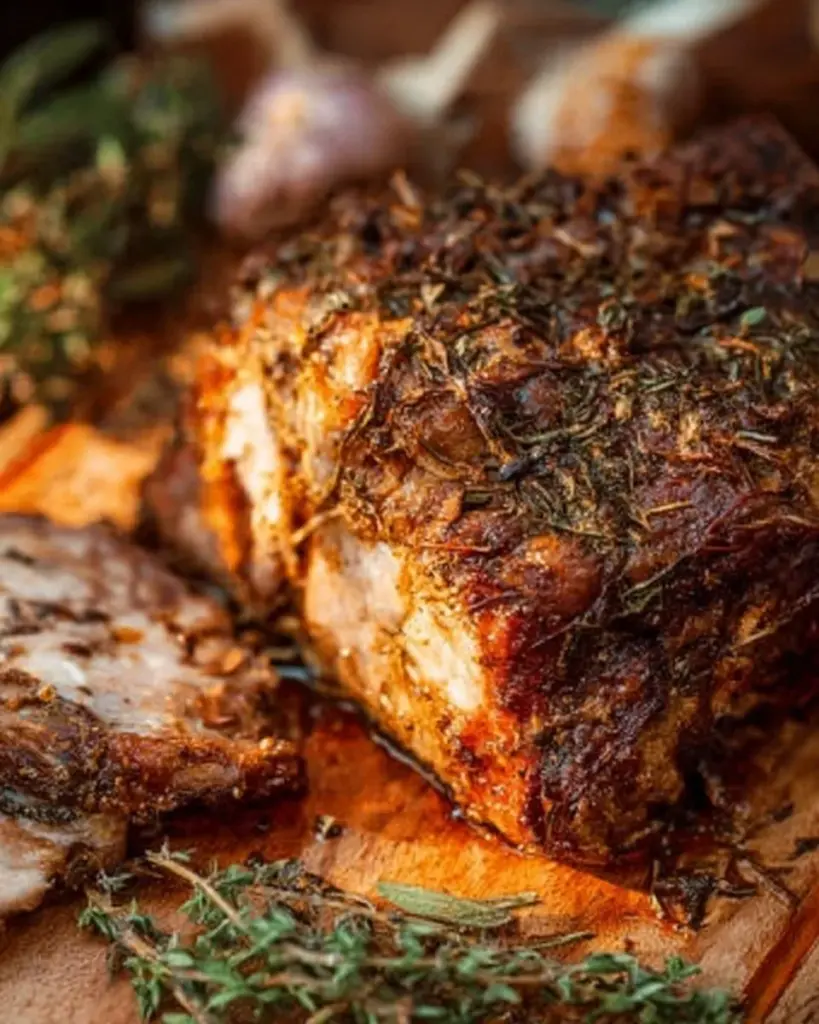
For an impressive presentation, carve the roast on a wood board and serve it with fresh herbs. It’s perfect for holidays, family gatherings, or even a cozy Sunday dinner. You’ll create not just a meal but a memorable experience.
Variations & Substitutions
Flavor Combinations: For a spicy twist, add a bit of cayenne or smoked paprika to the dry brine. You could also experiment with using Asian-style flavors, such as ginger and soy sauce, for a completely different take.
Dietary Restrictions: If gluten is a concern, ensure to use gluten-free broth. For paleo-friendly options, serve it with roasted vegetables instead of grains.
Seasonal Variations: In fall, consider adding apples or pears around the roast, and in summer, fresh peaches can create a delightful contrast.
Nutrition & Storage Info
- Prep Time: 15 minutes
- Cook Time: 3 hours
- Total Time: 3 hours 15 minutes
- Yield: Serves 6-8
- Estimated Calories per Serving: Approximately 350 calories
- Storage Instructions: Store leftovers at room temperature for up to 2 hours, refrigerate for 3-4 days, or freeze for up to 3 months.
FAQ Section
Can I use bone-in pork shoulder for this recipe?
Yes! It adds even more flavor, although you’ll need a bit longer for cooking.What if I don’t have fresh herbs?
You can use dried herbs, but remember the flavor is not as intense—use about a third of the amount.Can I cook this in a slow cooker?
Absolutely! You can follow the initial steps up to the first roast, then transfer to a slow cooker on low for 8 hours.What’s the difference between pork shoulder and pork butt?
They are similar cuts. Pork butt is actually from the upper shoulder area, whereas pork shoulder comes from the lower part of the shoulder.What should I serve with the pork?
Traditional sides include roasted veggies, mashed potatoes, and coleslaw.Why is resting important?
Resting allows the juices to redistribute, making for a more flavorful and juicy roast.Can this recipe be made in advance?
Yes, you can dry brine it a couple of days in advance and keep it wrapped tightly until ready to roast.How can I tell if the pork is done?
The internal temperature should reach between 190-200°F for perfect tenderness.Is it okay to leave the pork out overnight?
No, it should always be refrigerated during the brining process.Can I cook vegetables with my roast?
Yes! You can add carrots, potatoes, or any root veggies into the pan during the last hour of cooking for a complete meal.
Conclusion
This Pork Shoulder Roast recipe is more than just a meal; it’s a vessel for shared experiences. With its exquisite flavors and satisfying tenderness, it’s bound to become a staple in your home too. I encourage you to try this dish and make it your own with family memories tied to each bite. Don’t hesitate to share your feedback or ask questions! And for more delicious recipes, check out my blog for comforting dishes that are sure to delight.
Hearty Butternut Squash Beef Stew: A Comforting Bowl of Joy
See you in the kitchen!
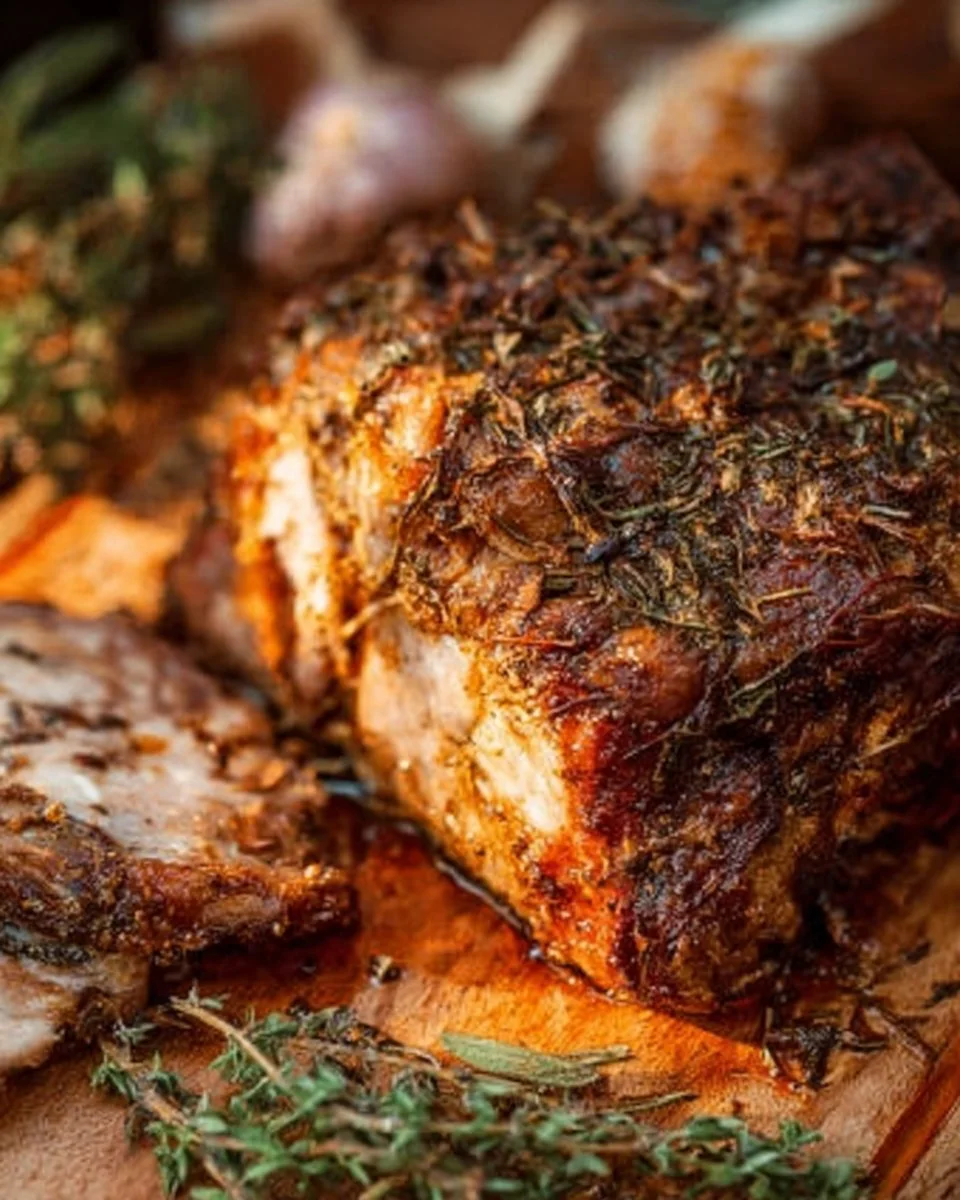
Pork Shoulder Roast
Ingredients
Method
- Dry brine the pork overnight by mixing together Kosher salt, brown sugar, ground black pepper, and minced fresh herbs in a small bowl.
- Rub the mixture generously all over the pork, covering every inch.
- Set the pork on a baking pan, cover it, and refrigerate overnight.
- Remove the pork from the fridge about 30 minutes prior to cooking to bring it to room temperature.
- Preheat your oven to 425°F.
- Pat the pork dry with paper towels, drizzle olive oil over the top, season with ground black pepper, and roast uncovered for 20 minutes.
- Meanwhile, make the garlic herb rub by mixing minced garlic, fresh minced herbs, ¼ cup of olive oil, ¼ teaspoon salt, and ½ teaspoon black pepper in a bowl.
- After 20 minutes, remove the pork and reduce the oven temperature to 300°F.
- Spread the garlic herb mixture over the top of the pork and add the thick slices of onion around it.
- Pour chicken broth around the sides of the pan and return the pork to the oven.
- Roast at 300°F for about 2.5 to 3 hours, or until the internal temperature reaches between 190-200°F.
- Once cooked, remove from the oven and let it rest for about 15 minutes before slicing.