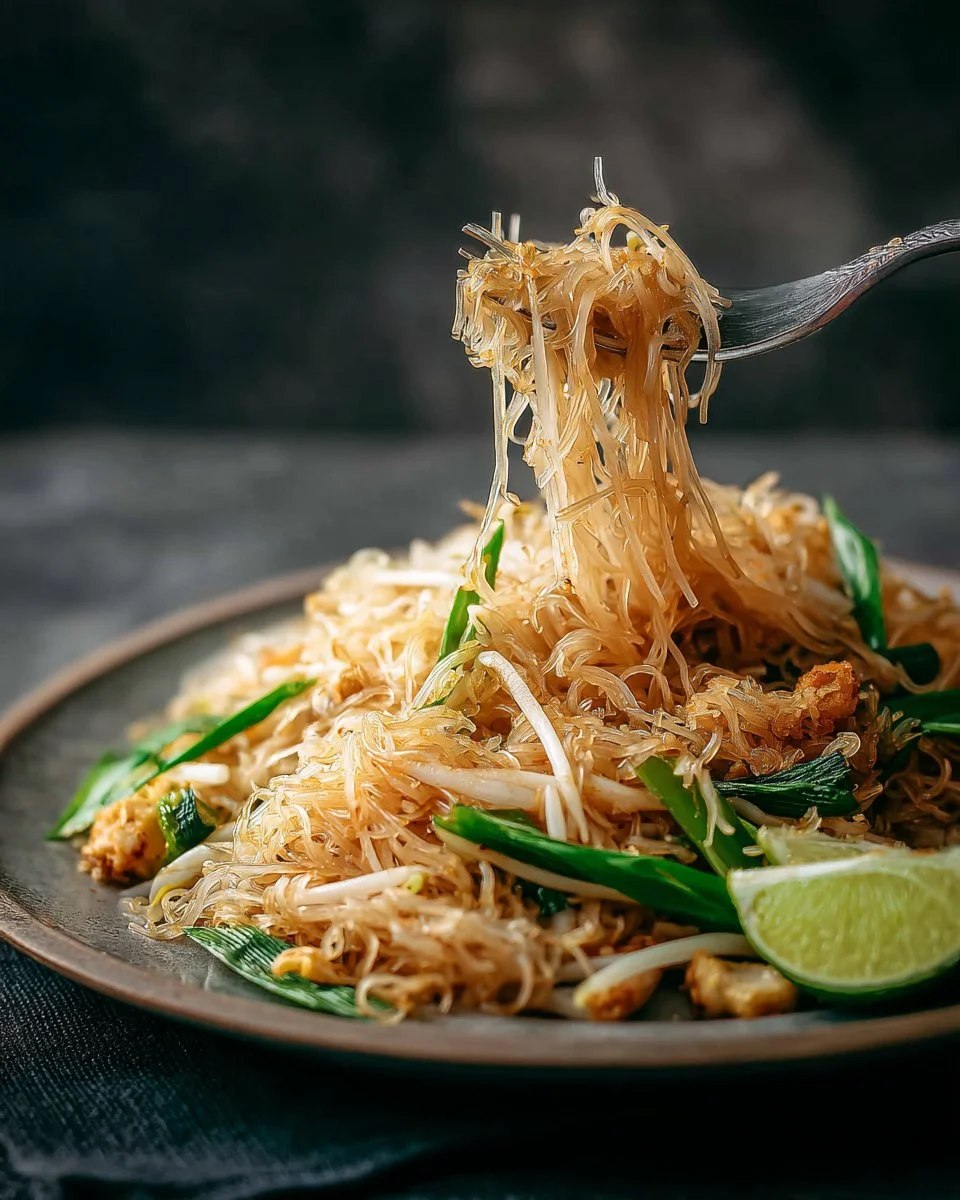
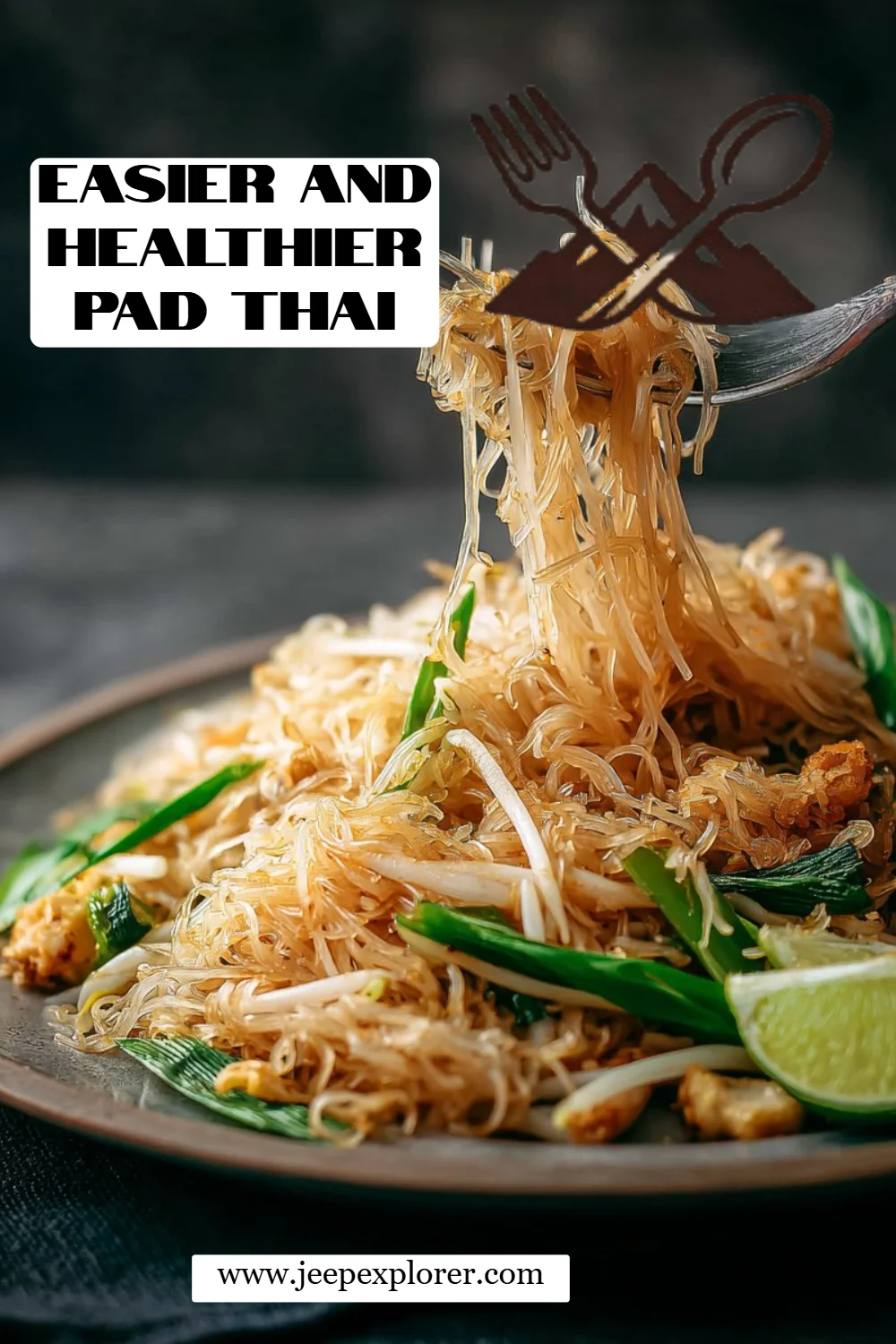
Discover the Joy of Easier and Healthier Pad Thai: A Comforting Classic!
Growing up, my family embraced flavors from all corners of the world. One dish that always stood out was Pad Thai—a fragrant and flavorful mix of stir-fried noodles, shrimp, and peanuts that filled our home with irresistible aromas. But let’s be honest: traditional Pad Thai can be quite the undertaking! After many kitchen experiments and a few noodle disasters, I’m excited to share my twist on this beloved classic—a recipe that makes it easier and healthier without sacrificing the taste you crave.
Introducing my Easier and Healthier Pad Thai! This dish not only captures the authentic flavors of Thailand but also focuses on fresh ingredients and simple techniques to ensure it easily finds a spot in your weekly meal rotation. With a lighter touch on the sauce and plenty of veggies, this version is perfect for busy weeknights or cozy family dinners. What truly makes this dish special, though, is the delightful connection it brings to my own childhood memories—a plate of Pad Thai always makes me feel at home.
By the end of this post, you’ll not only master this beautiful dish but also understand how to customize it to suit your palate!
What Are Easier and Healthier Pad Thai?
Originating from Thailand, Pad Thai is renowned for its perfect blend of sweet, sour, salty, and savory flavors, all harmoniously intertwined with chewy noodles. At its core, a traditional Pad Thai offers an enticing interplay between fresh ingredients, including shrimp, tofu, and crunchy peanuts, making each bite a mix of textures—crisp bean sprouts, creamy tofu, and the delightful chewiness of the noodles.
What makes my Easier and Healthier Pad Thai stand out is its commitment to simplicity and healthiness without compromising authenticity. You’ll still experience the robust flavors from tamarind and palm sugar, but with less sodium and fewer preservatives than typical restaurant versions. This dish is not just a meal; it’s an experience, ideal for everything from casual weeknight dinners to special gatherings where you want to impress friends and family. Whether you’re craving comfort food or a fresh take on a classic, this Pad Thai is just the ticket!
Why You’ll Love This Recipe
Healthier Ingredients: Unlike most takeout versions that are loaded with unhealthy oils and preservatives, my Easier and Healthier Pad Thai relies on fresh vegetables, lean protein, and quality ingredients.
Cost-Effective: Making this dish at home not only saves you money but also allows you to enjoy a restaurant-quality meal without the price tag. Plus, many ingredients are pantry staples!
Customization: Whether you prefer tofu, shrimp, or a medley of vegetables, this recipe is a blank canvas for your culinary creativity. You can even swap in gluten-free noodles if needed!
Quick Preparation: In just under 30 minutes, you’ll have a delicious meal ready to serve—perfect for those busy weeknights when you still want something tasty and homemade.
Super Delicious: With vibrant flavors from garlic, tamarind, and fresh lime, every bite is a delightful explosion of taste. Say goodbye to boring dinners and hello to a dish that’s bound to make your family smile!
Ingredients
To create your Easier and Healthier Pad Thai, you will need the following ingredients:
- 3 1/2 tablespoons palm sugar, finely chopped
- 3 tablespoons water
- 4 tablespoons tamarind paste
- 2 1/2 tablespoons fish sauce (look for brands that use natural ingredients)
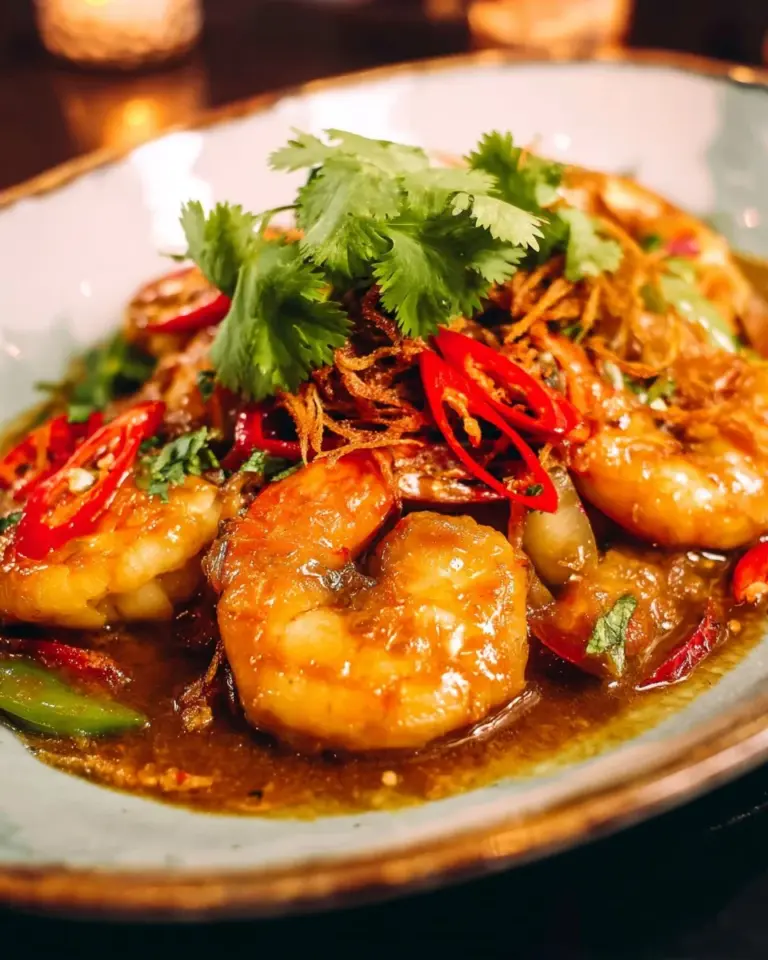
- 12 medium shrimp, head-on if possible (fresh is always best!)
- 1/3 cup neutral oil (use avocado or grapeseed oil for higher smoke points)
- 3 tablespoons chopped shallots
- 3 cloves garlic, chopped
- 85 g pressed tofu, cut into small pieces (extra firm for best texture)
- 1/2 teaspoon chili flakes, or to taste
- 2.8 oz glass noodles, soaked in water for 7-10 minutes, drained, and cut in half
- 1/4 cup water
- 2 large eggs
- 4 oz bean sprouts, about 2.5 cups
- 2.5 oz garlic chives, cut into 2-inch pieces
- 1/4 cup roasted peanuts, chopped
- 1 lime, for serving
Notes on Ingredient Quality/Substitutions:
- Palm Sugar: I love using this for its deep caramel notes; you can substitute with brown sugar if needed.
- Tamarind Paste: Check your local Asian market for the best quality; it adds that tangy depth!
- Noodles: Glass noodles are lighter and healthier, but feel free to use rice noodles if you prefer.
Step-by-Step Instructions
Prepare the sauce: In a small pot, add 3 1/2 tablespoons of finely chopped palm sugar, cooking over medium heat until melted and caramelized. Slowly add 3 tablespoons of water, then stir in 4 tablespoons of tamarind paste and 2 1/2 tablespoons of fish sauce until well mixed. Set aside.
Shrimp Oil (optional): If you want to elevate your dish, peel and devein the shrimp, reserving the heads. In a wok, heat 1/3 cup of neutral oil and sauté the shrimp heads until browned. Strain the oil and keep it for the cooking process.
Cook the Shrimp: In a hot wok (over medium-high heat), add enough shrimp oil to coat the bottom. Sear the shrimp until cooked, about 2-3 minutes. Remove from the pan and set aside.
Sauté Aromatics: Add a splash more oil if needed, then toss in 3 tablespoons of chopped shallots, 3 cloves of chopped garlic, 85 g of pressed tofu, and 1/2 teaspoon of chili flakes. Cook until the shallots are translucent, about 2-3 minutes.
Add Noodles and Sauce: Increase the heat to high. Add 2.8 oz of soaked glass noodles, the prepared sauce, and 1/4 cup of water. Stir well until the liquid is absorbed, and the noodles are tender.
Scramble Eggs: Push the noodles aside to create a space in the pan. Add a tiny drizzle of oil and crack in 2 large eggs, scrambling them until nearly cooked, then mix it back in with the noodles.
Toss Everything Together: Add the shrimp, 4 oz of bean sprouts, garlic chives, and half of the chopped peanuts to the mixture. Toss everything thoroughly until combined and heated.
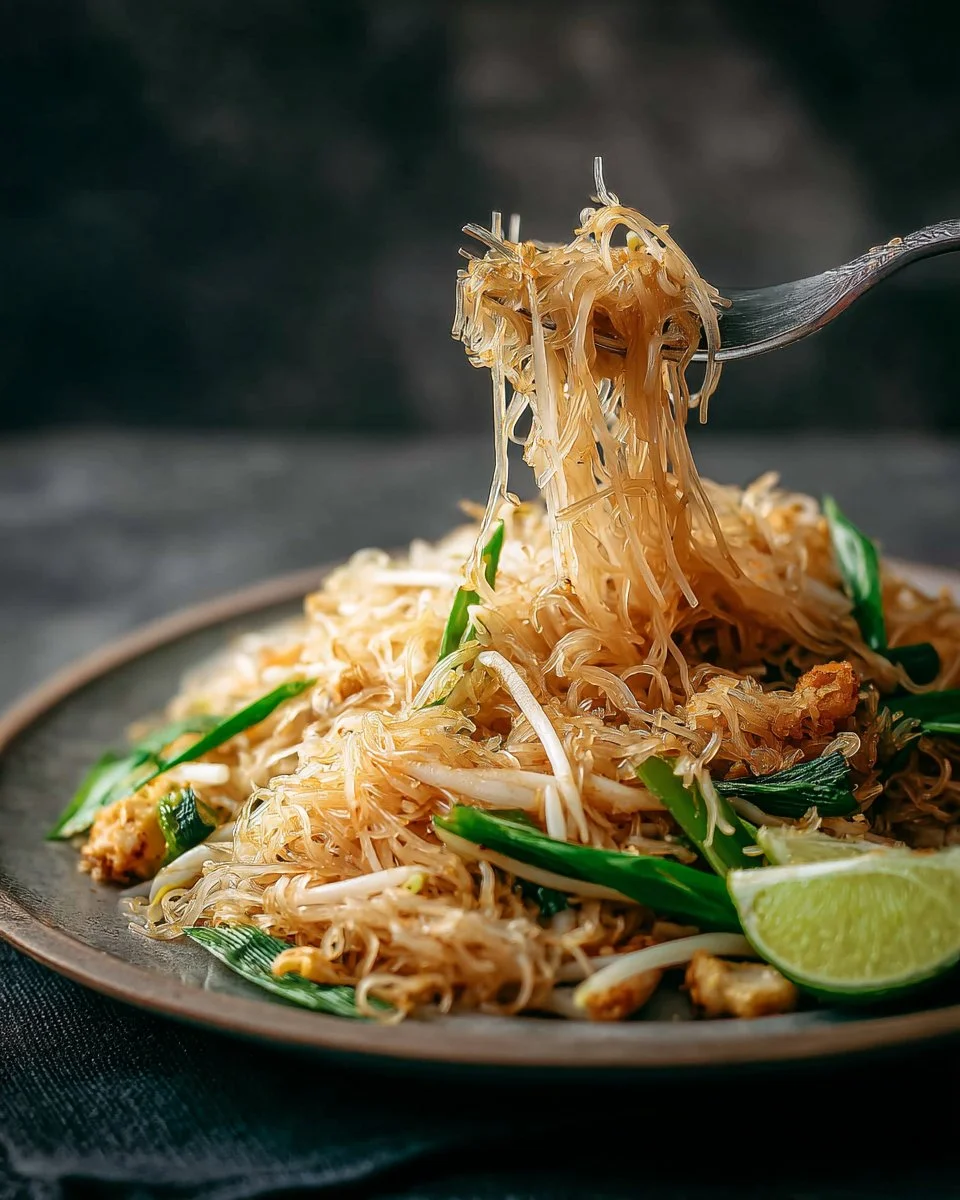
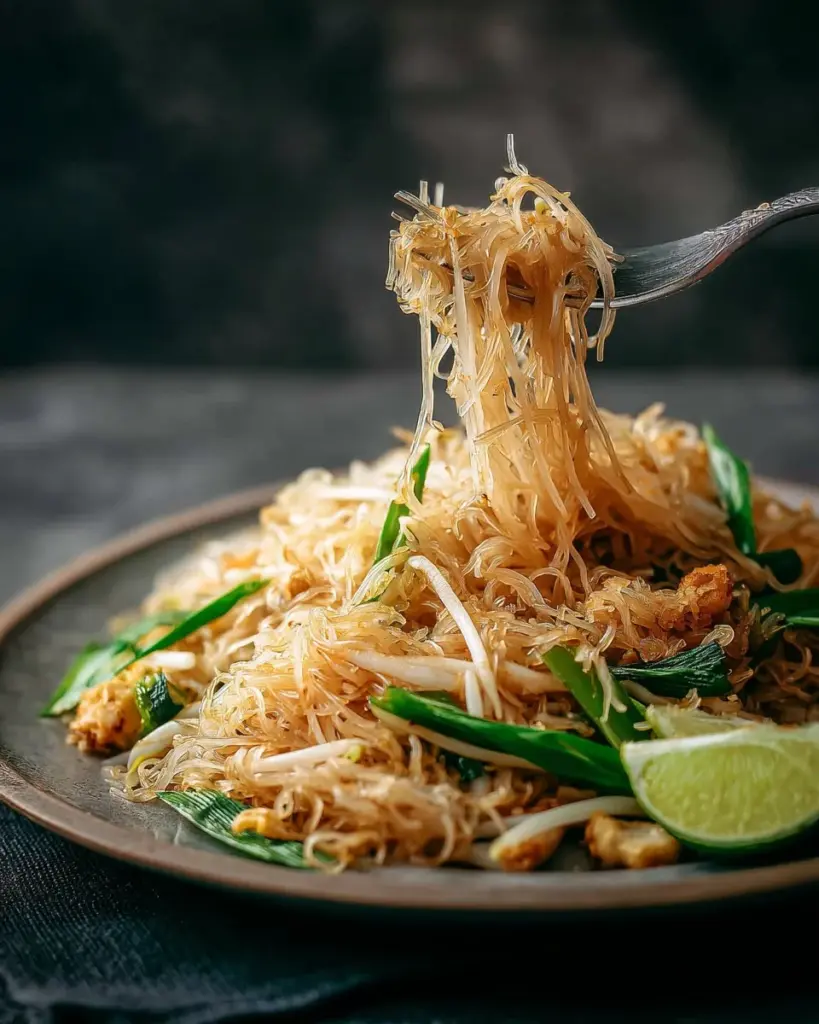
Serve and Enjoy: Serve hot, garnished with the remaining peanuts and a wedge of lime for that extra zing.
Expert Tips & Tricks
- Perfect Noodles: If the noodles seem too sticky, rinse them under cold water before adding to the wok. This helps them separate beautifully.
- Flavor Boost: For added depth, try a splash of soy sauce or oyster sauce!
- Storage: Refrigerate leftovers in an airtight container for up to 3 days. Reheat on the stovetop with a splash of water to avoid drying out.
- Make-Ahead: You can prep the sauce and chop vegetables a day in advance to save time on busy nights.
- Troubleshooting: If the dish looks too dry while cooking, add a bit more water or tamarind sauce to achieve your ideal consistency.
Serving Suggestions
To elevate your Easier and Healthier Pad Thai experience, consider serving it alongside a refreshing cucumber salad or a hot and spicy Thai soup. For presentation, plate your Pad Thai in a shallow bowl, topped generously with fresh sprouts, chopped peanuts, and a lovely lime wedge for squeezing.
This dish is perfect for casual weeknight dinners, festive gatherings, or any time you’re craving a taste of Thailand at home!
Variations & Substitutions
- For Meatless Version: Skip the shrimp and load up on more tofu or an assortment of seasonal vegetables such as bell peppers or zucchini.
- Extra Spice: Love heat? Toss in serrano peppers or a spoon of sriracha for that extra kick.
- Seasonal Twist: In the summer, try incorporating grilled corn or fresh herbs like cilantro to brighten up the flavors.
Nutrition & Storage Info
- Prep Time: 15 minutes
- Cook Time: 15 minutes
- Total Time: 30 minutes
- Yield: 4 servings
- Estimated Calories per Serving: 450 calories
- Storage Instructions: Let leftovers cool before transferring to an airtight container. Store in the fridge for up to 3 days. Reheat thoroughly before serving.
FAQ Section
Can I use different proteins in this recipe?
Absolutely! This Pad Thai works beautifully with chicken, beef, or even tempeh for a plant-based option. Just adjust the cooking time accordingly.What if I can’t find tamarind paste?
If you can’t track it down, a mix of lime juice and brown sugar can mimic the sweet-sour flavor, though the taste won’t be identical.Can I make this gluten-free?
Yes! Substitute glass noodles with rice noodles, and ensure the fish sauce is gluten-free (most brands are).How spicy is this dish?
The spiciness depends on how much chili flakes or additional peppers you add. Start with the recommended amount and adjust based on your taste!What’s the best way to eat Pad Thai?
Traditionally, it’s enjoyed with chopsticks, but you can also dig in with a fork. Just don’t forget the lime squeeze for that fresh flavor!Can I freeze leftovers?
While it’s best enjoyed fresh, you can freeze leftovers for up to a month. Just separate it into portions and store in freezer-safe containers.Is this suitable for meal prep?
Yes! Pad Thai holds up well in the fridge, making it a great option for meal prepping. Just remember to add fresh ingredients like sprouts right before serving.Can I use soy sauce instead of fish sauce?
Yes! For a vegetarian version, swap fish sauce for soy sauce or a soy-based alternative. Just keep in mind that the flavor will differ slightly.Why do you recommend a “head-on” shrimp?
Head-on shrimp provide richer flavor as the heads contain tasty juices that enhance the dish. Plus, they look great on the plate!What’s the best way to serve this dish?
You can plate it in individual bowls or serve it family-style. Just add garnishes like lime wedges, crushed peanuts, and fresh herbs for a vibrant finish.
Conclusion
My Easier and Healthier Pad Thai is more than just a meal; it’s a wonderful way to connect to memories, flavors, and family gatherings. I hope you’ll give this recipe a try and let it become a staple in your kitchen just like it is in mine. Don’t hesitate to share your thoughts in the comments—feedback makes this food journey so much richer. Also, be sure to check out my other delicious recipes on the blog to keep your culinary adventures going!
Enjoy every mouthful of your homemade creation!
Easier and Healthier Pad Thai
Ingredients
Method
- In a small pot, add palm sugar and cook over medium heat until melted and caramelized.
- Slowly add water, then stir in tamarind paste and fish sauce until well mixed. Set aside.
- If desired, peel and devein the shrimp, reserving the heads. In a wok, heat neutral oil and sauté shrimp heads until browned. Strain oil for cooking.
- In a hot wok, add shrimp oil to coat the bottom and sear shrimp for 2-3 minutes. Remove and set aside.
- Add shallots, garlic, tofu, and chili flakes to the wok. Cook until shallots are translucent, about 2-3 minutes.
- Increase heat to high. Add soaked glass noodles, prepared sauce, and water. Stir until liquid is absorbed and noodles are tender.
- Push noodles aside, drizzle in oil, and crack in eggs. Scramble until nearly cooked, then mix with noodles.
- Add shrimp, bean sprouts, garlic chives, and half of the chopped peanuts. Toss until combined and heated through.
- Serve hot, garnished with remaining peanuts and a lime wedge.