Captivating Thai Panang Curry Paste: Your New Kitchen Hero
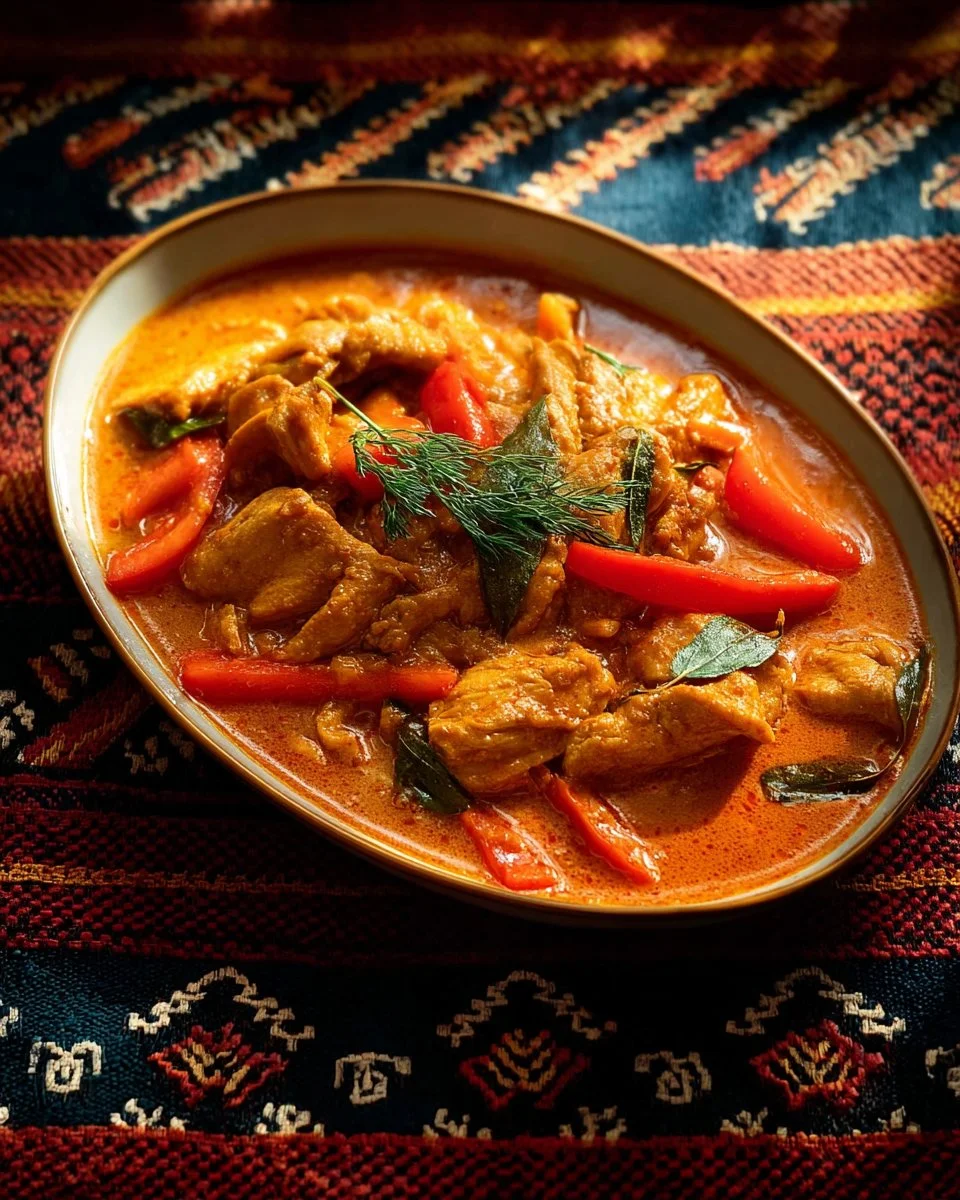
There’s something incredibly comforting about a bubbling pot of curry wafting through the kitchen. As a kid, Saturdays at my grandmother’s house meant gathering around the dining table, eagerly anticipating her fragrant Thai dishes. None was more memorable than her creamy, rich Thai Panang curry, laced with homemade paste that set it apart from anything else. I can still remember the shimmering pot, the vibrant colors, and the delightful aroma that teased our senses and made our mouths water.
However, since those days, I’ve come to realize that store-bought curry pastes often fall short—lacking the depth and character of a freshly made version. This inspired me to craft my own, and I can confidently say, nothing compares to the robust flavors of homemade Thai Panang Curry Paste. It’s a labor of love, but the reward is a symphony of spice and sweetness that has the power to bring family together.
In this post, I’ll share with you my cherished recipe, brimming with fresh ingredients and time-honored techniques. You’ll learn not just how to make this heavenly paste, but also how to customize it to fit your own taste and dietary needs. So grab your apron, and let’s dive into this culinary adventure together!
What Are Thai Panang Curry Pastes?
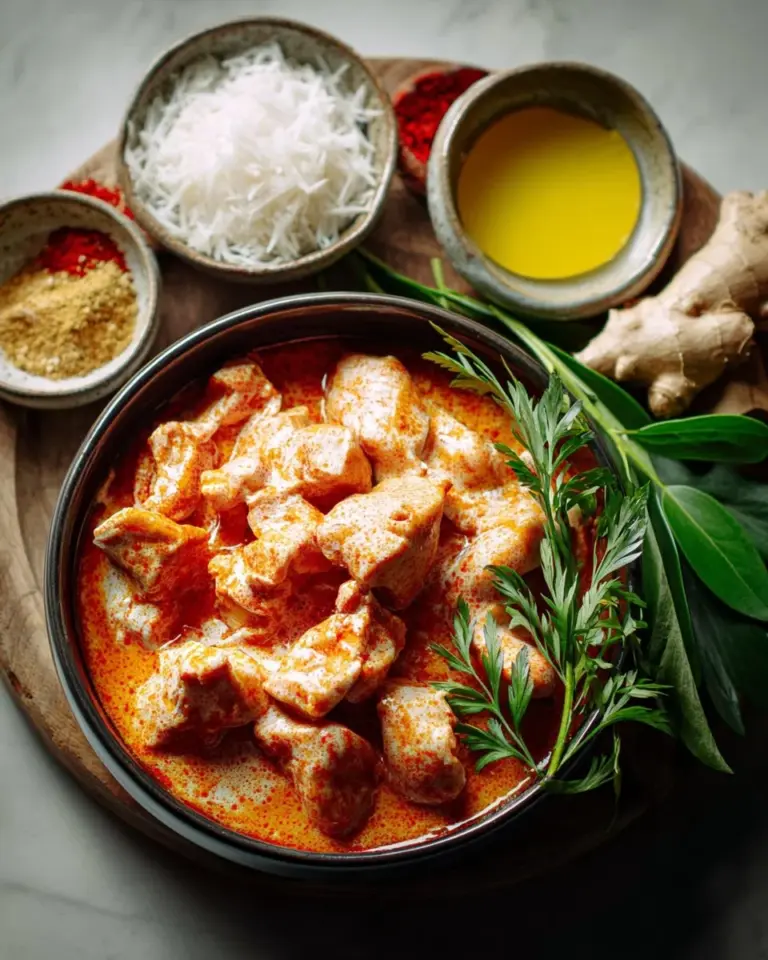
Thai Panang Curry Paste is truly a gem in Thai cuisine, offering a unique blend of spices and herbs that deliver a punch of flavor and warmth. Originating from the southern regions of Thailand, this paste is often used in making Panang curry, which is characterized by its thick, creamy texture and a subtle sweetness, thanks to coconut milk.
At its core, this paste achieves a beautiful balance of earthy spices, aromatic herbs, and a hint of heat. You’ll experience the rich flavors of roasted peanuts mingling with the brightness of lemongrass and the complexities of galangal. It’s this harmonious combination that truly sets it apart; no two batches are exactly the same, leaving room for creativity based on personal preference.
You might find yourself making this paste whenever you crave bold flavors or need a quick meal solution. It’s an essential staple in any foodie’s kitchen, perfect for elevating bring-a-plate dinner invites or simply for cozy nights in.
Why You’ll Love This Recipe
Why run to the store when you can create your own exquisite Thai Panang Curry Paste at home? Here are some compelling reasons to whip this up yourself:
Flavor Explosion: Say goodbye to flat-tasting store-bought pastes. Making your own allows you to control the flavors and adjust the heat according to your preference. You can craft a paste that reflects your unique taste, balancing spice, sweetness, and saltiness in a way that suits your palate perfectly.
Cost-Effective: Creating your own curry paste is a smart financial choice. Just think about how much a tiny jar of quality curry paste can cost at the store! Making it at home lets you stock up on an endless supply—far more economical than endless trips to the local Asian grocery store.
Customization Galore: Feeling adventurous? This paste serves as a fantastic base for experimenting with different ingredients. You can enhance it with different protein options like tofu, chicken, or shrimp and toss in seasonal vegetables to make it your own.
Satisfy Your Cooking Cravings: Do you have an hour to spare and a desire to fill your kitchen with enticing aromas? This recipe is moderately easy, and the payoff is well worth the time investment. You will impress friends and family with your culinary prowess!
A Heartwarming Experience: There’s something magical about crafting your own ingredients from scratch. It connects you to cultural traditions and invites the warmth of your kitchen into every meal you make with it.
Let’s gather our ingredients and unveil the culinary wonders of homemade Thai Panang Curry Paste!
Ingredients Section
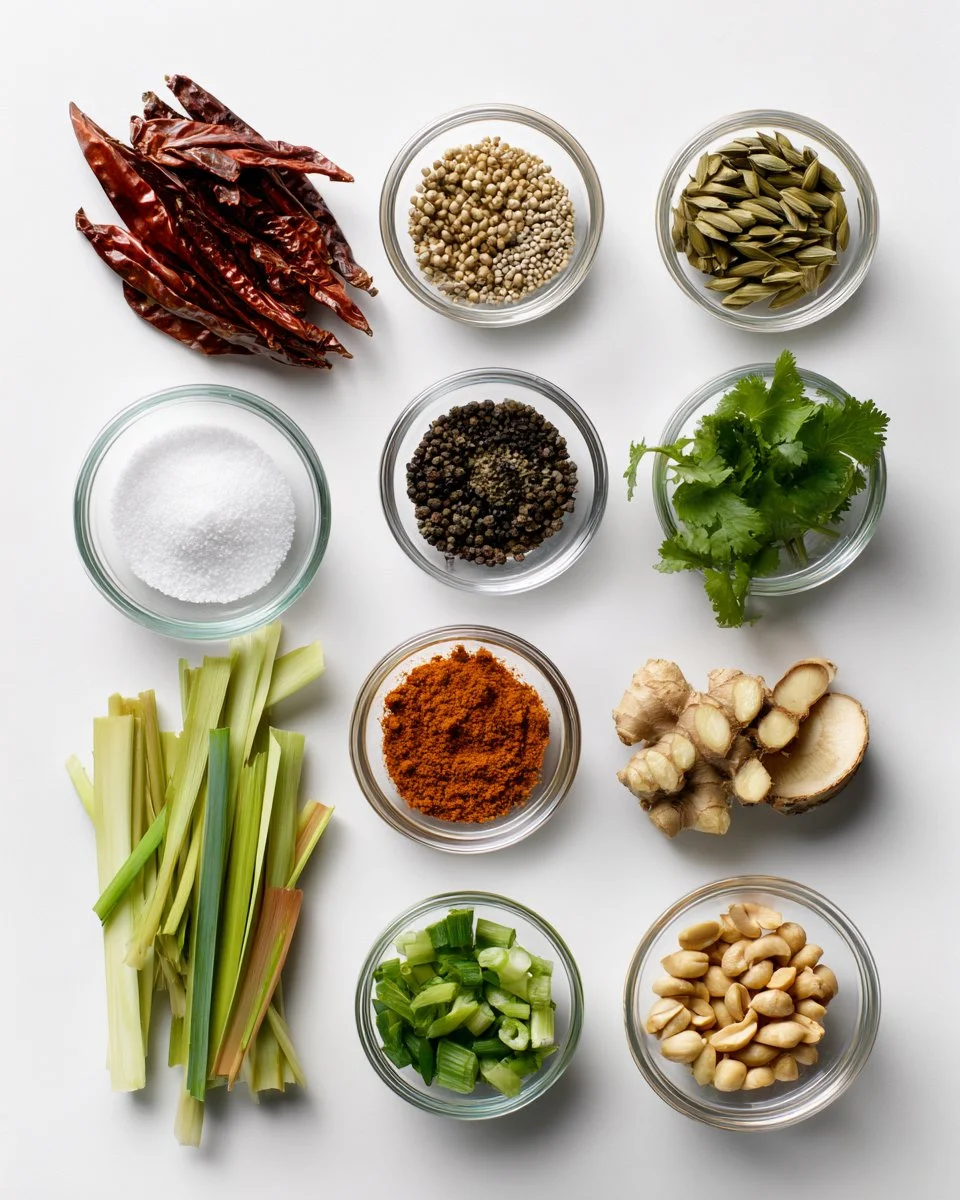
To make this incredible Thai Panang Curry Paste, gather these essentials:
- 10 g mild dried chilies (such as guajillo or puya)
- ½ tsp salt
- ¾ tsp cumin seeds (toasted for depth)
- 1 ½ tsp coriander seeds (toasted for richness)
- ¼ tsp white peppercorns
- 2 inches lemongrass (sliced into very thin rounds for infusion)
- 1 Tbsp finely chopped galangal
- 1 ½ tsp finely chopped makrut lime zest
- 2 cilantro roots or 6 cilantro stems (finely chopped for freshness)
- 3 Tbsp finely chopped garlic (for a punch)
- ¼ cup finely chopped shallots (to balance sweetness)
- 1 tsp fermented shrimp paste (for umami—optional for vegetarian)
- 12-15 roasted peanuts (for creaminess)
Ingredient Quality & Substitutions
- Dried chilies: Adjust the heat level by using fewer chilies or switching to milder varieties.
- Cumin and coriander seeds: Freshly toast them for maximum aroma before grinding for a full-bodied flavor.
- Galangal: If unavailable, use ginger as a substitute, though the flavor will vary.
- Fermented shrimp paste: This adds a deep, savory note, but you can skip it or replace it with miso for a veggie-friendly version.
Preparation Notes
- Ensure all ingredients are at room temperature for optimal blending.
- Consider investing in a quality spice grinder or mortar and pestle for the best texture.
Step-by-Step Instructions
Grind the Spices: Start with your coffee grinder. Add the dried chilies, coriander seeds, cumin seeds, white peppercorns, and salt. Grind until you achieve a fine powder then remove and set aside.
Prepare the Peanuts: In the same grinder, pulse the roasted peanuts until they’re fine, but not oily. You want a crumbly texture here.
Mise en Place with Fresh Ingredients: If you’re using a mortar and pestle, pound the lemongrass, galangal, makrut lime zest, and cilantro roots first into a fine paste. Follow by adding the shallots and garlic, then pound until well integrated.
Combine for Flavor: Mix the ground chili mixture with the peanut paste, ensuring everything is well combined and fragrant.
Alternate Technique: If you prefer, you can use an immersion blender for this step. Simply blend the lemongrass, galangal, makrut lime zest, cilantro roots, shallots, and garlic until fine and then incorporate the ground chili mix and peanuts.
Storage Options: Use your paste right away or store in an airtight container in the fridge for up to 3 days. It can also be frozen for up to a few months—perfect for quick future meals.
Visual Cues: Look for a thick, almost creamy consistency, and inhale the fragrant aromas wafting from your bowl!
Chef’s Tips
- Taste as you go; let the flavors evolve through each step.
- If too spicy, consider adding an extra tablespoon of peanuts or a dash of coconut milk when you use the paste.
- Store your prepared paste in glass jars to avoid discoloration from plastic.
Expert Tips & Tricks
Blending Different Flavors: Feel free to tweak ingredient ratios—like adding more peanut for creaminess or more chilies for heat.
Storage Recommendations: Always refrigerate your paste in an airtight container to maintain freshness. For longer storage, ice cube trays work well for freezing portions!
Make-ahead Magic: You can make this paste a day or two in advance; the flavors deepen over time.
Common Pitfalls: Avoid over-grinding the peanuts—they should remain slightly textured, not turn into peanut butter.
Adjust for Heat: If you’re serving a crowd, consider preparing a milder version of the paste and offer hot chilies on the side.
Serving Suggestions
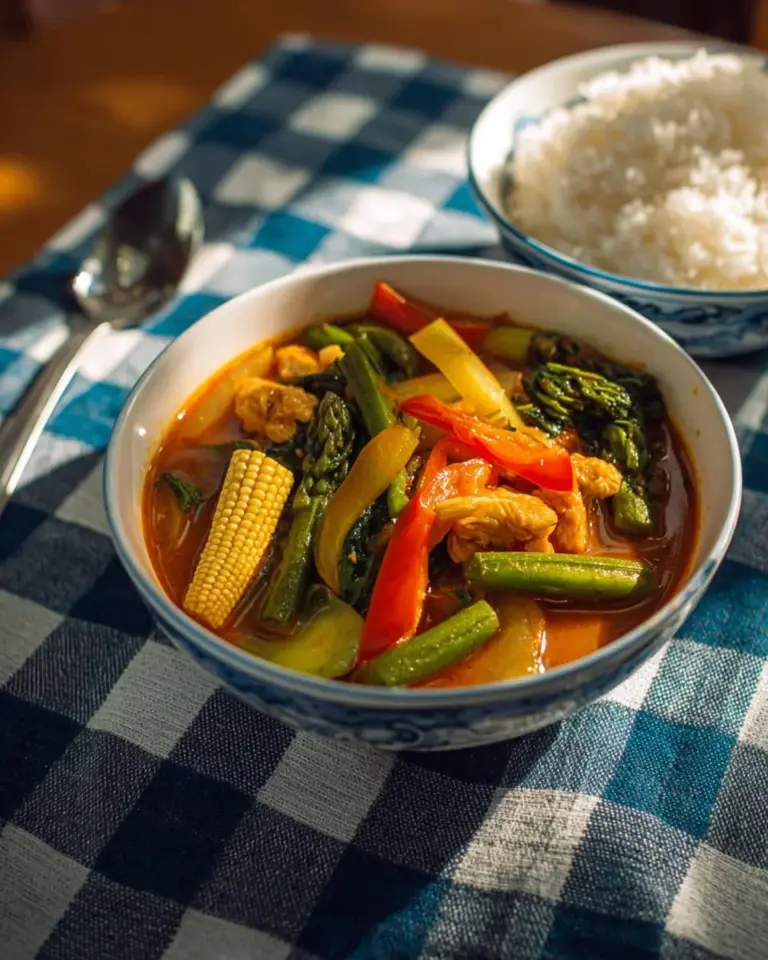
This delectable Thai Panang Curry Paste is incredibly versatile! Use it as a base for your curries, tossing it with vegetables, protein, or even noodles. Serve it over fragrant jasmine rice and garnish with fresh cilantro for a vibrant dish full of flavor. Perfect for special occasions or a cozy stay-in dinner, this dish is bound to pay homage to your own family traditions.
Variations & Substitutions
Flavor Combinations: Experiment with adding Thai basil, extra roots like ginger, or even a splash of coconut milk for different profiles.
Dietary Restrictions: Gluten-free? Check your shrimp paste or opt for a vegan miso substitute.
Seasonal Variations: Incorporate seasonal veggies—add in squashes in fall or fresh snap peas in spring for a colorful twist.
Nutrition & Storage Info
- Prep Time: 20 minutes
- Cook Time: None (if using right away)
- Total Time: 20 minutes
- Yield: Makes about 1 cup of curry paste.
- Estimated Calories: About 60 calories per serving (1 tablespoon).
- Storage Instructions: Keep in the fridge for up to 3 days or freeze in ice cube trays for future meals.
FAQ Section
What is Panang curry different from other curries?
Panang curry is thicker and sweeter compared to other Thai curries, with a rich peanut undertone.Can I make this curry paste vegan?
Absolutely! Just omit the shrimp paste or replace it with miso for a similar umami flavor.How spicy is this paste?
It depends on the type and amount of chilies you use. Start with fewer for a milder taste.What can I add to the curry made from this paste?
It pairs beautifully with chicken, tofu, or beef, and a bounty of vegetables like bell peppers and eggplants.How can I make the paste last longer?
Store it in airtight containers in the freezer. It can last up to several months.What’s the best way to thaw frozen curry paste?
Thaw it overnight in the fridge or use the microwave on a low setting for quicker options.Can I adjust the ingredients?
Yes, the beauty of homemade curry paste is that you can adjust for flavor and texture as per your liking.How do I use this curry paste?
Combine it with coconut milk and your choice of protein or vegetables to create a delicious curry meal!Do I need to cook the curry paste before using it?
It’s best to sauté the paste in a bit of oil first to release its full flavors before adding liquids.What dishes can I make with leftover Paste?
It’s versatile enough for stir-fries, noodle dishes, or as a marinade for grilled meats!
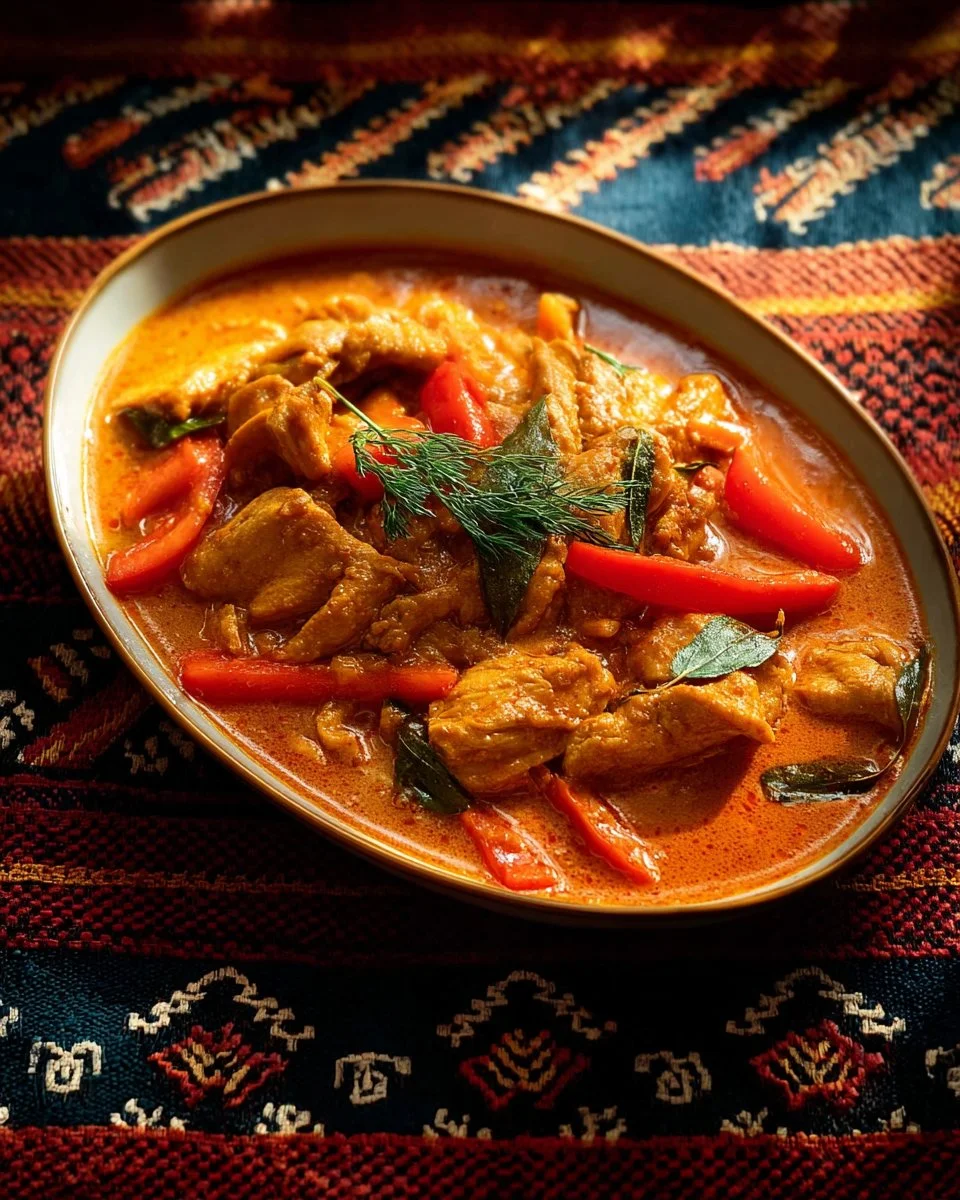
Conclusion
Crafting your own Thai Panang Curry Paste not only connects you with cherished memories but also unlocks a treasure trove of culinary possibilities. It’s rich, creamy, spicy, and absolutely delightful, bringing a taste of Thailand right to your kitchen. I hope you’re inspired to give this recipe a try. Don’t forget to share your creations and feedback with me! And if you’re seeking more inspiration, check out my other Thai-inspired recipes. Let’s keep the flavorful journey going together!
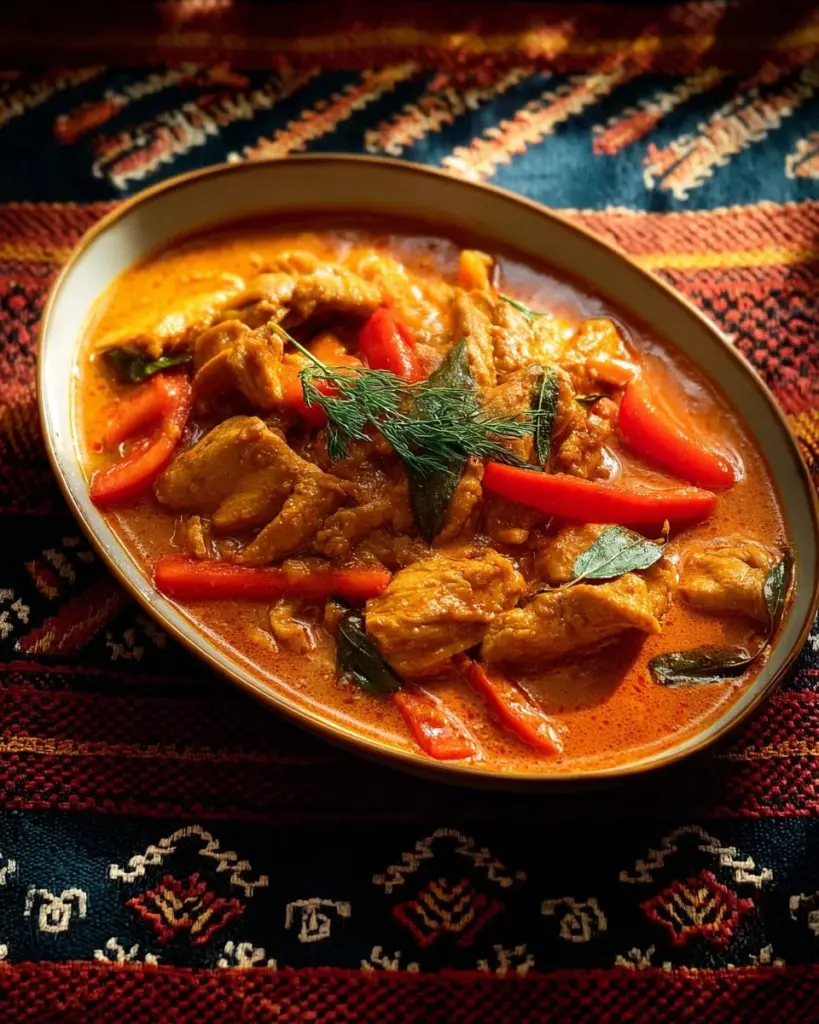
Thai Panang Curry Paste
Ingredients
Method
- Start by grinding the dried chilies, coriander seeds, cumin seeds, white peppercorns, and salt in a coffee grinder until you achieve a fine powder. Set aside.
- In the same grinder, pulse the roasted peanuts until they are fine but not oily. You want a crumbly texture.
- If using a mortar and pestle, pound the lemongrass, galangal, makrut lime zest, and cilantro roots into a fine paste. Then add shallots and garlic, pounding until well mixed.
- Mix the ground chili mixture with the peanut paste, ensuring everything is well combined.
- Alternatively, use an immersion blender to combine the fresh ingredients before adding the chili mix and peanuts.
- Use the paste immediately or store in an airtight container in the fridge for up to 3 days. It can also be frozen in ice cube trays for future meals.