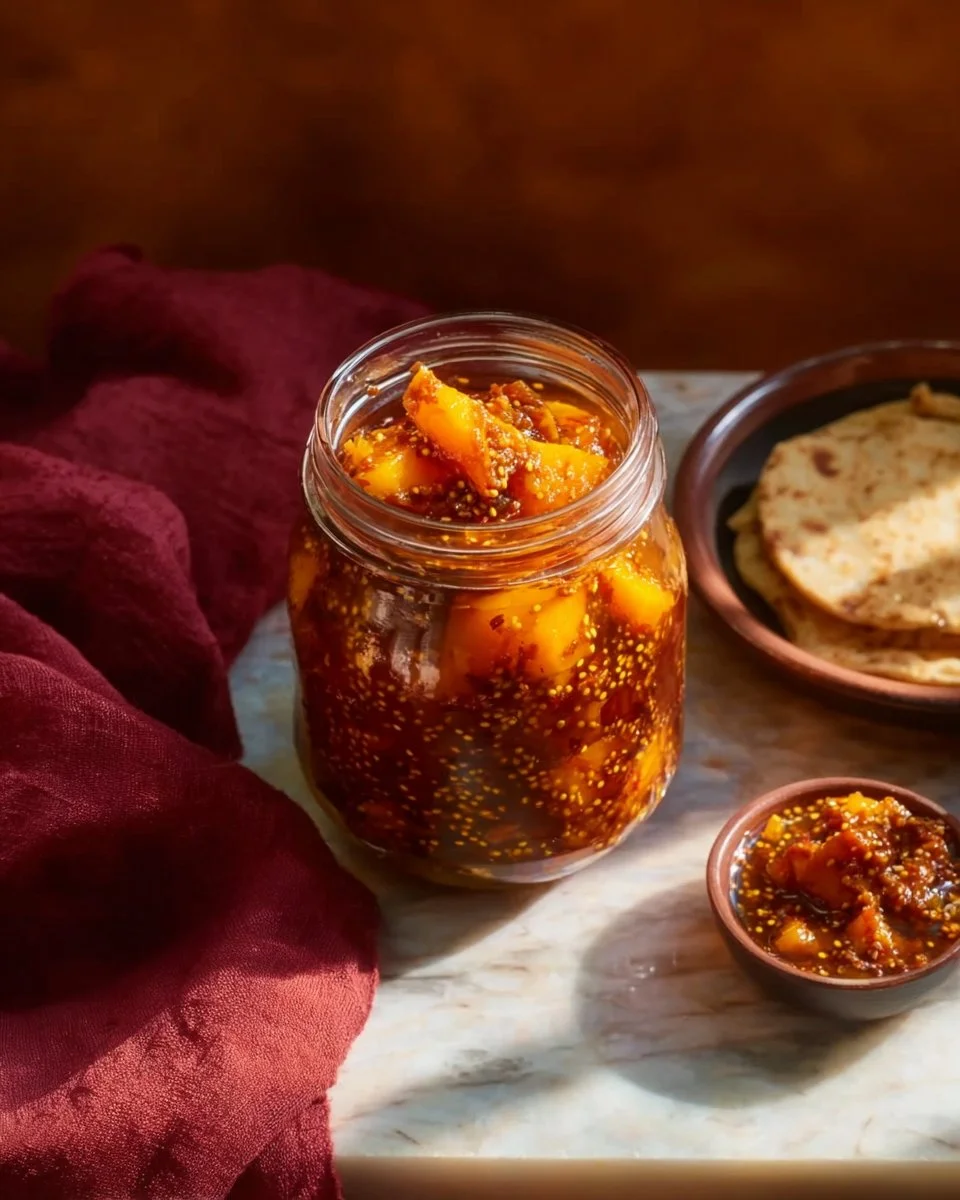
As the summer sun blazed down, I remember how my grandmother would gather us all in her cozy kitchen, the air thick with the aroma of spices. It was our annual tradition to make Raw Mango Pickle—an heirloom recipe passed down through generations. With each slice of firm, slightly sour mango, she reminded us that this pickle was more than just a condiment; it symbolized our family’s love and connection to the land. Every jar opened was like unearthing a memory, the tangy sweetness instantly transporting us back to those warm, laughter-filled afternoons.
What sets my version of Raw Mango Pickle apart from others? It’s all about balancing flavors and keeping the integrity of the mango while adding just the right spice. Some recipes may skimp on details or rely too heavily on store-bought ingredients, but this one celebrates the vibrant, fresh taste of raw mangoes while allowing for plenty of customization. Trust me—once you make this flavorful gem, you’ll understand why it holds such a special place in my heart. Whether you’re serving it at a family gathering or simply enjoying it with rotis at home, you’ll learn how to elevate your meals with this recipe.
What Are Raw Mango Pickles?
Originating from the diverse and rich culinary traditions of India, Raw Mango Pickles (Aam Ka Achaar) have found their way into every household. They embody the taste of summer—tangy, fragrant, and undeniably delicious. The texture ranges from crunchy mango pieces to a silky syrup that binds the spices, a delightful contrast in each bite.
Unique in their sweet-and-sour flavor profile, these pickles have a real kick thanks to spices like mustard seeds and red chili powder. Making your own Raw Mango Pickle is not only a fun culinary project, but it’s also a way to connect with your roots. It’s perfect for brightening up a simple meal, and there’s no better time to concoct a batch than when fresh raw mangoes are in season, giving you the best flavors straight from nature.
Why You’ll Love This Recipe
There are so many reasons to fall in love with this Raw Mango Pickle recipe! Here are just a few:
Bursting with Flavor: Unlike store-bought versions, this homemade pickle captures the freshness and zing of raw mangoes while allowing for personalization. Adjust the spice levels to match your taste.
Cost-effective: Making your own pickles is not only fun, but it’s also friendly on your wallet. With just a handful of ingredients, you can create a batch that would cost a pretty penny at a gourmet market.
Healthier Option: Commercial pickles are often loaded with preservatives and added sugars. By making your own, you control the ingredients and their quality—ensuring they are simply delicious.
Culinary Flexibility: This recipe allows you to modify the spice levels, sweetness, and even oil based on what you have available. Want it sweeter? Add more jaggery. Prefer less heat? Cut back on chili powder.
Easy to Make: While the process has a few steps, it’s straightforward and manageable, even for novice cooks. Once you dive in, you’ll see how rewarding it is to create your own condiments.
Ingredients

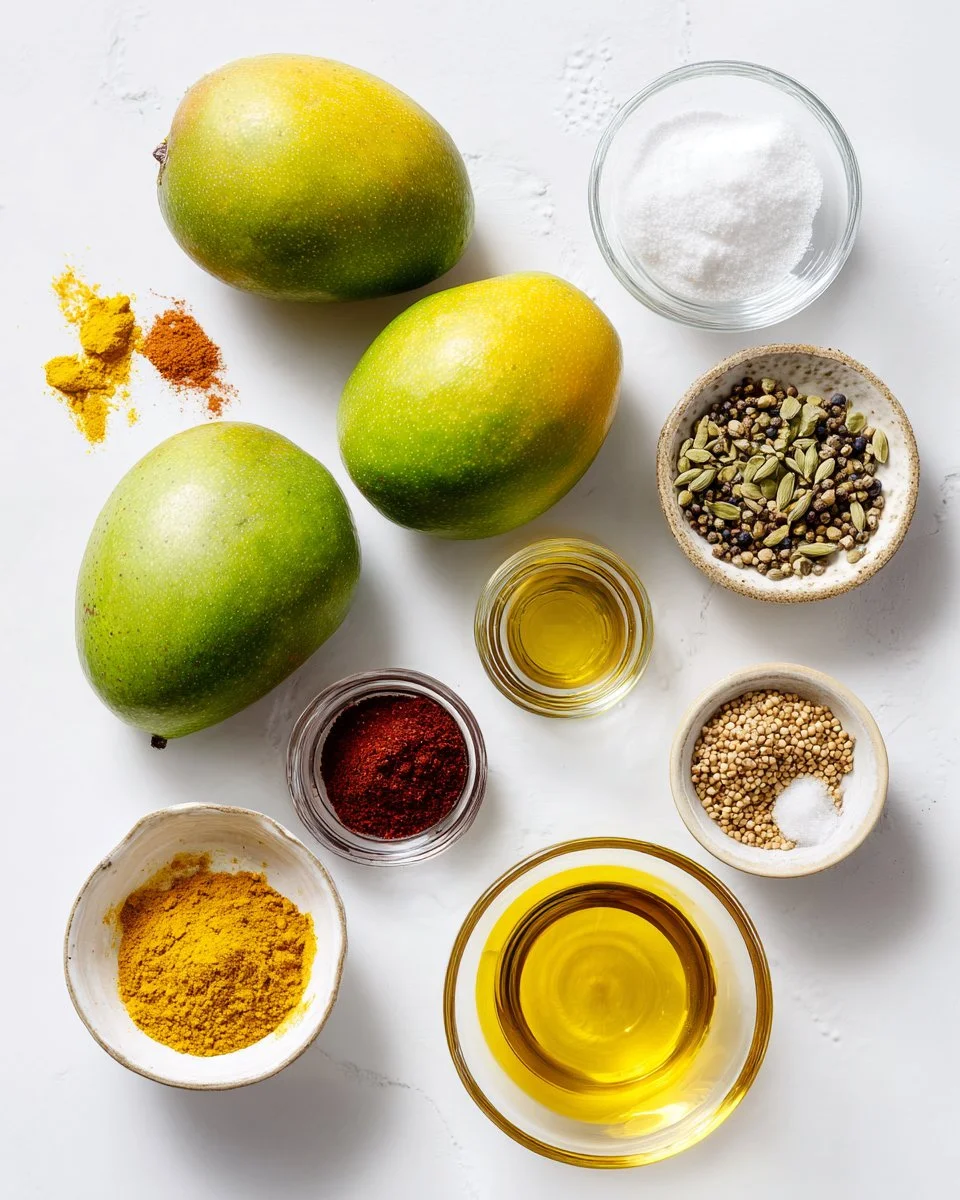
- 3 medium-sized raw mangoes (about 500g), firm and slightly sour
- 2 tsp salt (non-iodized, like sea salt or kosher salt)
- 1 tsp turmeric powder
- 1 and 1/2 tsp red chili powder
- 2 tsp mustard seeds (yellow or black)
- 1 tsp fennel seeds
- 1/2 tsp fenugreek seeds
- 1/2 cup jaggery (or brown sugar), grated
- 2 tbsp vinegar (white or apple cider vinegar)
- 1/2 cup mustard oil (preferred) or neutral oil
Ingredient Notes:
- Mangoes: Choose mangoes that are firm and slightly sour for that authentic tartness. Varieties like Kesar or Dasheri work wonders.
- Salt: Avoid iodized salt as it may affect the fermentation process. Sea or kosher salt is ideal.
- Jaggery: This adds a depth of flavor, but brown sugar can be a great substitute if jaggery isn’t available.
- Oil: Mustard oil enhances the tanginess but feel free to use any neutral oil as a substitute.
Prep Notes:
- Make sure the mangoes are at room temperature for easy cutting.
- Use clean utensils to avoid contamination.
Step-by-Step Instructions
Prepare the Mangoes: Start by washing and drying the mangoes thoroughly. Cut them into bite-sized chunks while keeping the skin on—this adds extra flavor. Toss with salt and turmeric, cover, and let rest for 12 to 24 hours. This step helps the mangoes soften and develop flavor.
Toast and Crush the Spices: In a dry pan over low heat, toast the mustard seeds, fennel seeds, and fenugreek seeds for 1 to 2 minutes until fragrant. Allow them to cool slightly before coarsely crushing them; this releases their essential oils and enhances the flavor profile.
Cook the Pickle Base: In a saucepan, heat the mustard oil until smoking (about 5 minutes). Let it cool slightly before stirring in the crushed spices and red chili powder. Carefully add the salted mango pieces and any liquid that has accumulated. Mix in the grated jaggery and vinegar, then simmer on low heat for 10 to 15 minutes, stirring gently until the jaggery melts and forms a syrup.
Store and Cure: Carefully transfer the hot pickle to a sterilized glass jar. Allow it to cool completely before sealing the jar. Store in a cool, dry place or refrigerate. For the best flavor, allow it to rest for 2 to 3 days before serving; this lets the spices blend beautifully with the mangoes.
Expert Tips & Tricks
Choose the Right Mangoes: Always opt for firm, unripe mangoes. Ripe mangoes can collapse during the pickling process, resulting in a mushy texture.
Sterilization Matters: Ensure your jar is properly sterilized. You can do this by boiling it in water for a few minutes or running it through a hot dishwasher cycle.
Storage Tips: Keep your pickle in the refrigerator for longer shelf life, or store it in a cool dark place if consumed quickly. Homemade pickles can often last for months if stored correctly.
Make-ahead Instructions: This pickle only gets better with time! Make it a week ahead of when you plan to use it and let it mature for a fuller flavor.
Common Mistakes to Avoid: Don’t skip the resting period after cooking. This is crucial for melding the flavors. Also, ensure your oil reaches the right temperature for proper infusion with the spices.
Troubleshooting: If the pickle is too salty, add a bit more jaggery or sugar. If it’s too sweet, an extra splash of vinegar can help balance it.
Serving Suggestions
Raw Mango Pickle is incredibly versatile! Serve it as a zesty accompaniment to grilled meats, simple dal and rice, or even with your favorite sandwiches. For a more festive presentation, place a small bowl of pickle in the center of a vibrant platter adorned with colorful fresh veggies or snacks. This pickle shines especially during summer picnics and family gatherings where its tangy-sweet flavors can liven up even the simplest of meals.
Variations & Substitutions
- Spicy Kick: If you’re a fan of heat, consider adding some chopped green chilies or a dash of cayenne pepper.
- Seasonal Flavors: Experiment with flavors like curry leaves or even dried mango powder (amchur) for a fruity twist.
- Dietary Adjustments: For a vegan-friendly option, ensure to use plant-based oils and avoid any animal-derived sweeteners.
Nutrition & Storage Info
- Prep Time: 15 minutes
- Cook Time: 20 minutes
- Total Time: Approximately 1 day (including resting period)
- Yield: 10 servings
- Estimated calories per serving: 55 calories
- Storage Instructions: Keep in the refrigerator for up to 6 months. Always use a clean spoon when serving to ensure longevity.
FAQ Section
How long does Raw Mango Pickle last?
- When stored properly in an airtight jar, it can last up to 6 months in the fridge.
Can I use ripe mangoes instead of raw ones?
- It’s best to use raw mangoes for this recipe, as ripe mangoes will alter the texture and flavor significantly.
Can I avoid oil in the recipe?
- While oil is critical for bringing out the flavors, you could potentially reduce it, but the pickle might not taste as rich.
What can I substitute for jaggery?
- Brown sugar can be a good alternative, though it lacks some complexity of flavor compared to jaggery.
Is it necessary to let it rest before eating?
- Yes! Allowing it to rest for 2-3 days helps to meld the flavors beautifully.
Can I add other spices?
- Absolutely! Feel free to experiment with cloves, cardamom, or even cinnamon for additional depth.
Is it difficult to make?
- Not at all! The steps are straightforward, making it accessible for both beginners and experienced cooks.
Can I make a smaller batch?
- Yes, simply reduce the ingredient quantities proportionally—just keep the same ratios.
What should I serve it with?
- Pair with rice, roti, parathas, or even as a zesty topping for grilled meats and veggies.
Can I freeze Raw Mango Pickle?
- It’s best enjoyed fresh, but you can freeze it for up to 3 months, just be mindful of texture changes when thawing.
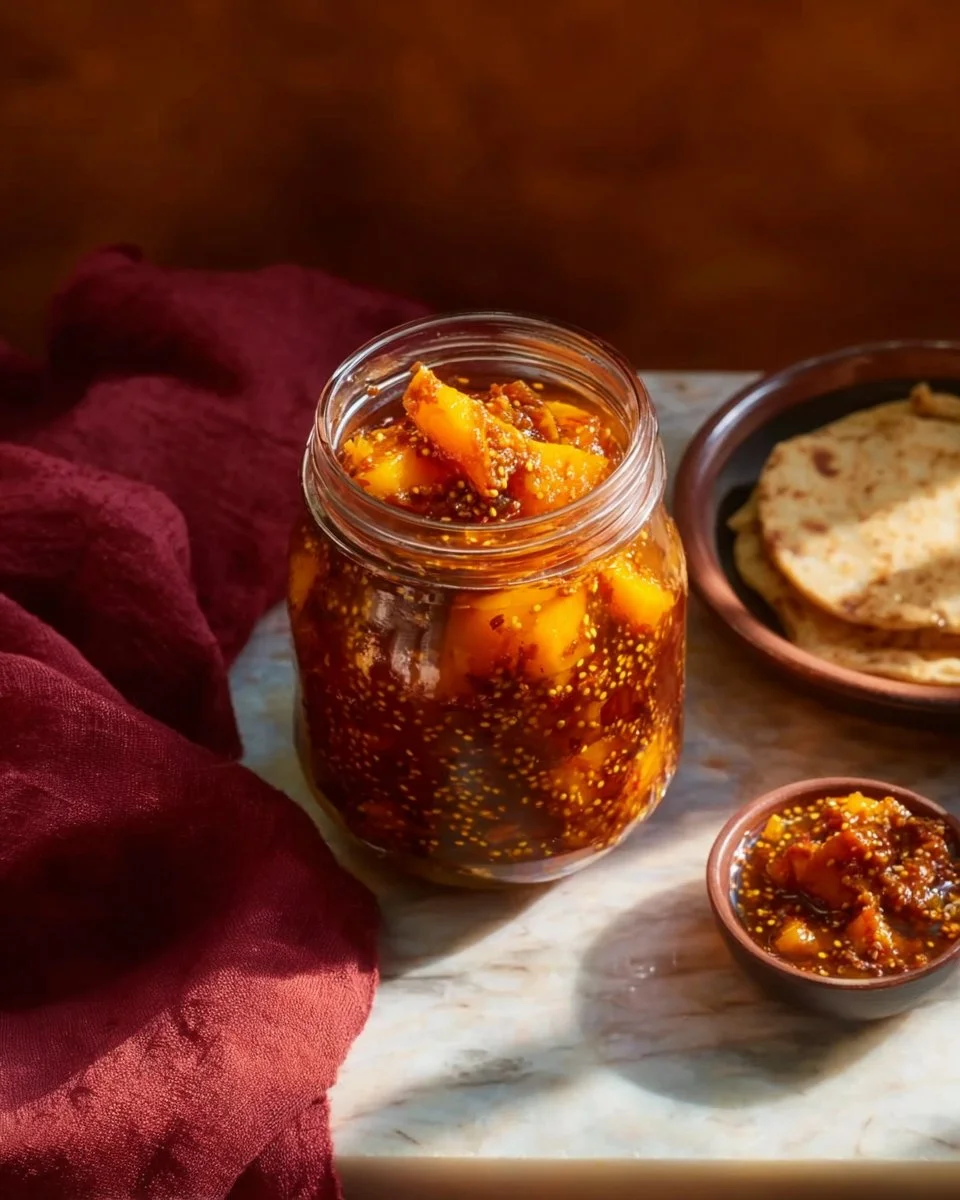
Conclusion
This Raw Mango Pickle recipe is a true testament to the joys of homemade cooking. Every jar captures a slice of tradition, flavor, and love that simply cannot be replicated. I encourage you to try this recipe and delight in the memories it will bring to your table. Let me know how it turns out—I love hearing your feedback and stories! And if you’re looking for more delicious condiments, check out my other related recipes on the blog.
Irresistible Fish Cutlets: A Comforting Classic That’s Better Than Takeout!
Happy Pickling!
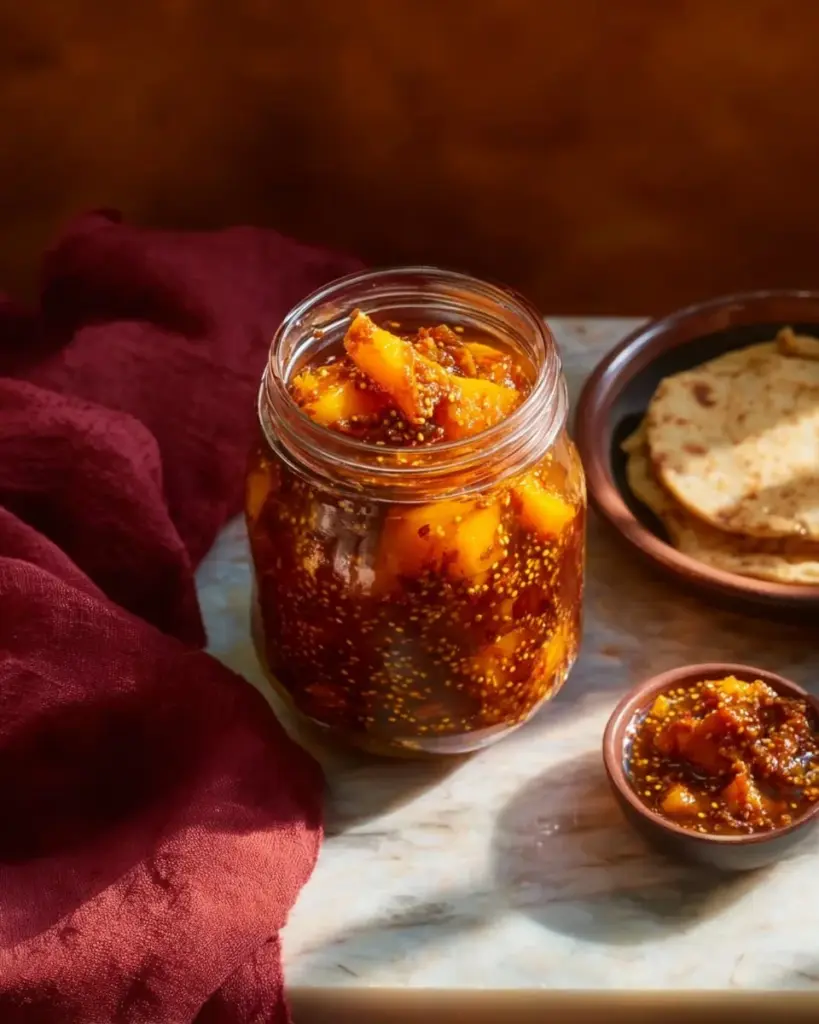
Raw Mango Pickle
Ingredients
Method
- Wash and dry the mangoes thoroughly. Cut them into bite-sized chunks while keeping the skin on. Toss with salt and turmeric, cover, and let rest for 12 to 24 hours.
- In a dry pan over low heat, toast the mustard seeds, fennel seeds, and fenugreek seeds for 1 to 2 minutes until fragrant. Allow to cool slightly before coarsely crushing.
- In a saucepan, heat the mustard oil until smoking (about 5 minutes). Let it cool slightly, then stir in the crushed spices and red chili powder.
- Carefully add the salted mango pieces and any liquid that has accumulated. Mix in the grated jaggery and vinegar, then simmer on low heat for 10 to 15 minutes.
- Transfer the hot pickle to a sterilized glass jar. Allow it to cool completely before sealing the jar.
- Store in a cool, dry place or refrigerate. For the best flavor, let it rest for 2 to 3 days before serving.