
Every bite of Saffron Bread takes me back to my childhood kitchen, where the aromas of spices danced around as my grandmother kneaded dough for special occasions. Whenever we would gather for family celebrations, this golden-hued, aromatic bread would steal the spotlight at the dining table. It’s not just a loaf; it’s a heartfelt creation filled with stories, warmth, and the rich essence of saffron.
What makes Saffron Bread so special, you ask? Beyond its beautiful color and enticing fragrance, it is a harmonious blend of flavors and textures that make your taste buds sing. Unlike store-bought versions that often rely on preservatives, this homemade recipe incorporates high-quality ingredients that create a soft, pillowy structure infused with the golden spice of saffron. You’ll find that this bread not only nourishes the body but also the soul, steeped in memories of joyful gatherings and heartfelt conversations.
In this post, I promise to share my cherished recipe for Saffron Bread, including tips to make it the star of your own gatherings. Together, we’ll create a delicious loaf that captures the spirit of love and comfort, perfect for sharing with family and friends!
What Are Saffron Breads?
Saffron Bread, also known as “Pan de Azafrán,” originates from various cultures that value saffron’s vibrant color and complex flavor. Traditionally made during festive seasons, this bread signifies joy and celebration. The dough is enriched with saffron threads, often resulting in a soft texture and fragrant aroma that is unlike any other loaf you’ll find.
When you slice into freshly baked Saffron Bread, you’ll enjoy not only its warm, inviting scent but also a delicious, slightly sweet flavor laced with hints of the earthy saffron. Its texture is tender, with a contrasting crunchy exterior when baked to perfection. Whether you decide to serve it at holiday dinners, family brunches, or simple weeknight meals, it’s the ultimate comfort food that brings everyone together.
Now is the perfect time to make Saffron Bread at home, as it fills your kitchen with comforting scents while providing an opportunity to craft delightful family memories around baking.
Why You’ll Love This Recipe
Unmatched Freshness: There’s nothing like the warm, inviting aroma of freshly baked Saffron Bread wafting through your kitchen. Unlike store-bought options, this homemade version ensures you know exactly what goes into your bread, with no preservatives or unwanted ingredients.
Cost-Effectiveness: Making Saffron Bread at home is an economical way to enjoy gourmet flavors. With minimal and accessible ingredients, you’ll whip up a treat that rivals any bakery, all while saving money.
Customization Galore: Feel free to adapt the recipe to suit your taste buds! You can add nuts, dried fruits, or even switch the type of sweetener you use. The possibilities are endless, making it fun to reinvent this classic bread.
Beginner-Friendly: Don’t be intimidated by the idea of baking with saffron! This recipe is straightforward, guiding you through each step, making it accessible even for budding bakers.
A Family Tradition: Once you start making this Saffron Bread, it may become a beloved family staple. Share it at gatherings, give it as a gift, or simply enjoy it with a cup of tea as a comforting treat during your quiet moments.
Are you ready to embark on your Saffron Bread baking adventure? Let’s gather our ingredients and get started!
{image_template}
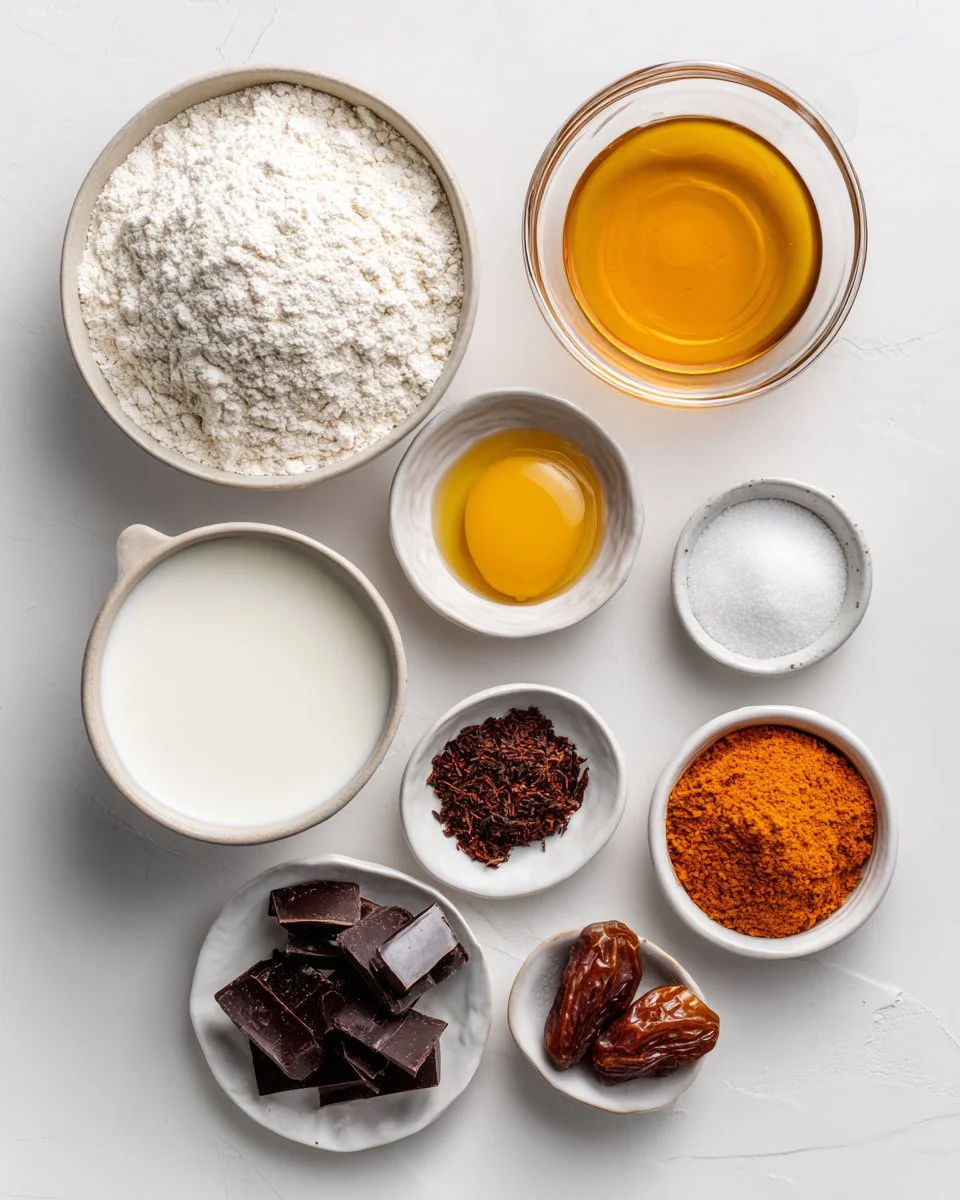
Ingredients
- 250 ml (1 cup) non-dairy milk or regular dairy milk: Choose your preference for this base; both options work beautifully.
- 1 pinch saffron threads (~½ gram): Invest in good quality saffron for the best color and flavor. Look for deep red threads.
- 3 tablespoons coconut oil: Melted for the dough, this adds richness and moisture.
- 2 tablespoons honey or sugar: For sweetness, the choice is yours—honey offers a floral note, while sugar provides classic sweetness.
- 2 ¼ teaspoons dry yeast or ½ cube fresh yeast: Yeast is crucial for that fluffy texture. If using fresh yeast, ensure it’s crumbled well.
- 450 grams (2 ½ to 3 cups) light spelt flour: Lighter than traditional bread flour, it adds a nutty flavor profile. You can substitute whole wheat if you prefer.
- ½ teaspoon sea salt: Balances the sweetness and enhances flavors.
- 2 tablespoons coconut oil (softened, for filling): For spreading onto the dough.
- 50 grams (¼ cup) dark sugar (for filling): Rich, deep sweetness complements the saffron beautifully. Brown sugar works too!
- 50 grams (¼ cup) dark chocolate (chopped, for filling): Optional, but chocolate is always a welcomed companion in sweet bread!
- 50 grams (¼ cup) dates (finely chopped, for filling): Dried fruits bring natural sweetness and chewiness to the bread.
Additional Notes:
- Quality Matters: For a richer taste, opt for organic ingredients where possible. Brands like King Arthur Flour or Bob’s Red Mill offer quality flours.
- Serving Temperature: Ensure your coconut oil and nut milk are at room temperature to promote easy mixing.
- Sweetness: Adjust sweetness levels to your personal preference!
Step-by-Step Instructions
Prepare the Milk Mixture: In a small saucepan over low-medium heat, combine the non-dairy or dairy milk with the saffron threads. Stir occasionally until just simmering. Once heated, whisk in the coconut oil and honey until fully melted, then pour the mixture into a large heatproof bowl.
Activate the Yeast: Allow the milk mixture to cool until warm to the touch (about 37°C/98°F). Whisk in the yeast and let it rest for 15 minutes until frothy and foaming—a sign that it’s alive and ready for dough-making!
Mix the Dough: For cup measurements, stir in 1 cup of flour and the sea salt into the yeast mixture. Gradually add the remaining flour in ½ cup increments, mixing well until it becomes too tough to mix with a wooden spoon. If you’re measuring by grams, add all at once.
Knead the Dough: Turn the dough onto a lightly floured surface and knead for about eight minutes by hand or five to six minutes using a stand mixer with a dough hook. You want a soft, smooth dough that is slightly tacky but not overly sticky—resist the urge to over-flour!
Let it Rise: Place the kneaded dough back into a lightly greased bowl. Cover with a plate or a damp towel and set it in a warm, draft-free area to rise until doubled in size—about 1 hour.
Prepare Your Filling: While the dough rises, prepare your filling by mixing together the softened coconut oil, dark sugar, chopped chocolate, and dates in a small bowl.
Shape the Dough: Once risen, turn the dough onto a floured surface and roll it out into a rectangle about 1.5 cm (¾ inch) thickness. Spread the filling evenly over the dough.
Cut and Twist: Roll the dough lengthwise into a log and cut it lengthwise down the center, leaving the top 5 cm (2 inches) uncut to create an anchor. With the cut side facing up, twist the two pieces around each other.
Form the Wreath: Bring the ends of the twisted dough together to form a circle, cutting the anchor at the top and tucking the ends underneath to secure the wreath shape.
Proof the Wreath: Gently transfer the shaped wreath onto a baking sheet lined with parchment paper. Cover with a tea towel and let it proof for an additional 30 minutes in a warm location.
Bake: Preheat the oven to 180°C (350°F). Once proofed, bake for about 30 minutes or until golden brown. The bread should sound hollow when tapped on the bottom.
Cool: Transfer to a wire rack and allow to cool for 20 minutes before slicing. This step is crucial—let the flavors meld and the bread to firm up slightly!
Chef’s Tips:
- For an even puffier loaf, ensure that every ingredient—including the coconut oil—is at room temperature.
- If your bread is browning too quickly, cover it loosely with aluminum foil during baking.
- To check for doneness, use a thermometer—aim for an internal temperature of about 90°C (190°F).
Common Mistakes to Avoid:
- Ensure your yeast is fresh; expired yeast won’t rise properly.
- Ice-cold ingredients lead to dough that doesn’t rise—warm is best!
Expert Tips & Tricks
Storage Recommendations: Once cooled, store Saffron Bread in an airtight container at room temperature for up to 3 days. For longer preservation, refrigerate it for a week or freeze up to 3 months.
Make-Ahead Magic: You can prepare the dough a day in advance. Simply complete steps 1 to 5, then place the dough in the refrigerator overnight. Allow it to come to room temperature before shaping and continuing with the instructions.
Troubleshooting: If your dough isn’t rising, it could be due to cold temperatures or inactive yeast. Find a warmer spot in your kitchen or check the freshness of your yeast next time.
Serving Styles: Slice and serve this Saffron Bread as a beautiful centerpiece, drizzled with honey or accompanied by soft cheese.
Innovate with Flavors: Try adding spices like cinnamon or cardamom for an aromatic twist, especially lovely during the holiday season!
Serving Suggestions
Saffron Bread is delightful on its own, but pair it with some delicious spreads! Here are a few ideas:
- Spreads: A dollop of homemade berry jam or lemon curd can elevate its flavor brilliantly.
- Teas and Coffees: Enjoy with a fragrant cup of chai or a rich cappuccino.
- Presentation: Serve this bread on a wooden board garnished with fresh berries and edible flowers for a stunning display!
Perfect for holiday brunches, cozy family dinners, or even as a thoughtful gift, Saffron Bread is flexible enough for any occasion.
Variations & Substitutions
Feeling adventurous? Here are some ways to switch things up with Saffron Bread:
- Flavor Combinations: Experiment by adding nuts like pistachios or walnuts, or swap dark chocolate for white chocolate for a sweeter profile.
- Dietary Adaptations: To adapt for gluten-free diets, substitute with a gluten-free flour blend; be mindful of hydration as gluten-free flours can vary in absorbency.
- Seasonal Variants: Incorporate seasonal fruits during baking, like cranberries for Thanksgiving or citrus zest for a refreshing summer loaf.
Nutrition & Storage Info
- Prep Time: 25 minutes (not including rising time)
- Cook Time: 30 minutes
- Total Time: 1 hour 55 minutes
- Yield: Approximately 10 servings
- Estimated Calories: About 180 calories per serving (varies based on exact ingredients)
- Storage Instructions: Store at room temperature for up to 3 days, refrigerate for up to 1 week, or freeze for up to 3 months.
FAQ Section
1. Can I use fresh saffron threads?
Yes! Fresh saffron threads are often more potent and aromatic. Crush them slightly to release more flavor.
2. Can I make this bread without coconut oil?
Absolutely! You can substitute with unsalted butter or another neutral oil like vegetable oil.
3. How do I know when my Saffron Bread is done baking?
It should be golden brown and sound hollow when tapped on the bottom, or you can use an instant-read thermometer for best results.
4. Can I add other ingredients to the filling?
Definitely! Feel free to play with the filling by adding nuts, chocolate chips, or even a layer of cream cheese.
5. How can I tell if my yeast is still active?
If the mixture doesn’t foam after resting, your yeast may be expired or dead. Fresh yeast will produce a nice froth within 15 minutes.
6. What if my dough is too sticky?
If your dough is excessively sticky during kneading, you can incorporate a little more flour, but do so cautiously to avoid making it too dry.
7. Is there a way to speed up the rising process?
Place your dough in a warm environment, like your oven with just the light on, to create an ideal proofing space.
8. Can Saffron Bread be made ahead of time?
Yes! You can prepare the dough the night before and bake it the following day for freshly baked bread.
9. Is this recipe suitable for vegan diets?
Yes! Simply ensure the honey is replaced with agave syrup or a sugar alternative to keep it fully vegan.
10. How can I customize the sweetness of the bread?
You can reduce the sugar in the dough or filling, or substitute with stevia or another preferred sweetener.

Conclusion
In conclusion, this Saffron Bread recipe is not just about the delicious end result; it’s about the love, traditions, and memories that come with every knead and twist. By blending the exotic flavors of saffron with wholesome ingredients, you create a comforting loaf that everyone will cherish.
I encourage you to give this recipe a try; I promise—your home will be filled with the delightful warmth of baked bread that brings you joy, and your loved ones will be asking for seconds!
Please share your thoughts and experiences in the comments, and don’t forget to explore related recipes on the blog for more culinary adventures.
Lively Lemon Chicken Orzo: A Comforting Classic with a Twist
Happy baking!

Saffron Bread
Ingredients
Method
- In a small saucepan over low-medium heat, combine the non-dairy or dairy milk with the saffron threads. Stir occasionally until just simmering.
- Once heated, whisk in the coconut oil and honey until fully melted, then pour the mixture into a large heatproof bowl.
- Allow the milk mixture to cool until warm to the touch (about 37°C/98°F). Whisk in the yeast and let it rest for 15 minutes until frothy.
- Stir in 1 cup of flour and the sea salt into the yeast mixture. Gradually add the remaining flour in ½ cup increments until the dough becomes too tough to mix with a wooden spoon.
- Turn the dough onto a lightly floured surface and knead for about eight minutes by hand or five to six minutes using a stand mixer. You want a soft, smooth dough.
- Place the kneaded dough back into a lightly greased bowl. Cover with a plate or damp towel and set in a warm area to rise until doubled in size (about 1 hour).
- Prepare your filling by mixing together the softened coconut oil, dark sugar, chopped chocolate, and dates in a small bowl.
- Once risen, turn the dough onto a floured surface and roll it out into a rectangle about 1.5 cm (¾ inch) thickness.
- Spread the filling evenly over the dough.
- Roll the dough lengthwise into a log and cut it lengthwise down the center, keeping the top uncut.
- Twist the two pieces around each other and bring the ends together to form a circle.
- Transfer the shaped wreath to a baking sheet lined with parchment paper. Cover with a tea towel and let it proof for 30 minutes.
- Preheat the oven to 180°C (350°F). Once proofed, bake for about 30 minutes or until golden brown and hollow when tapped.
- Transfer to a wire rack and allow to cool for 20 minutes before slicing.